




















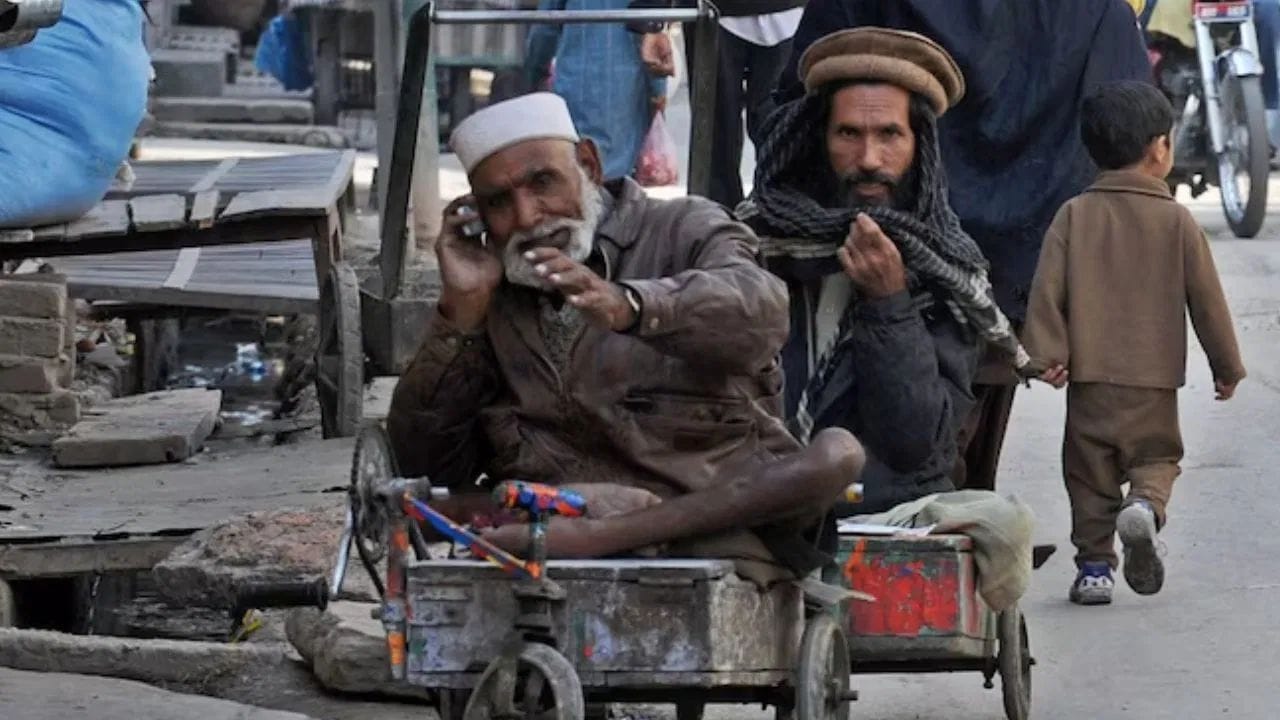
According to a report, 90% of beggars caught abroad are Pakistani. Saudi Arabia and UAE have recently deported more than 60,000 Pakistanis. On the other hand, the Pakistani government has now enacted stricter laws and revoked the passports of thousands of suspects and provided for 10-year jail terms for agents involved in human trafficking.

A new era of shame has begun for Pakistan on the international stage. Recent reports show that the problem of begging abroad is no longer just an individual compulsion but an organized 'international syndicate'. The issue has not only strained relations with friendly countries like Saudi Arabia and the UAE but has also forced the Pakistani parliament to enact stricter laws.

According to a shocking statistic, nearly 90 percent of people caught begging abroad are of Pakistani origin. This figure points not only to individual poverty but also to gangs operating under a planned strategy. As usual, Pakistani officials have admitted that the problem is now tarnishing the country's global image.

Saudi Arabia was the most affected by this syndicate. In the year 2025 alone, Saudi Arabia deported 56,000 Pakistani nationals on charges of begging.

The United Arab Emirates (UAE) has deported around 6,000 Pakistani beggars to maintain law and order. Similarly, Azerbaijan has cracked down and deported around 2,500 Pakistanis for begging.

Pakistanis misuse tourist, umrah and work visas to enter these countries and fall prey to beggar gangs. These groups of beggars work in regular shifts outside public places and mosques abroad. It has become a professional business, where everything from training to deciding the location is handled by the syndicate.

Additionally a network of agents provides visas and tickets to these Pakistanis in exchange for a significant portion of their begging earnings. The Pakistani government has claimed that out of 24,000 Pakistanis who went to Cambodia in the year 2025, 12,000 have not returned, while 2,500 of the 4,000 who went to Myanmar are missing. Officials fear these missing people may have been victims of human trafficking, cybercrime or international begging gangs.

According to media reports, the issue was widely debated in the Pakistani parliament. After discussion, Govt "Prevention of Smuggling of Migrants (Amendment) Bill 2025" presented. Pakistan's Parliament acknowledged that mere warnings are not enough to stop this scourge but punitive action is necessary. The government has so far suspended the passports of more than 2,000 people and action is pending against 7,800 others.
Click here to know the special news of the country and the world.
. Source