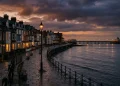










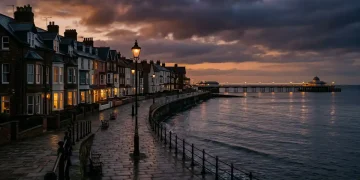

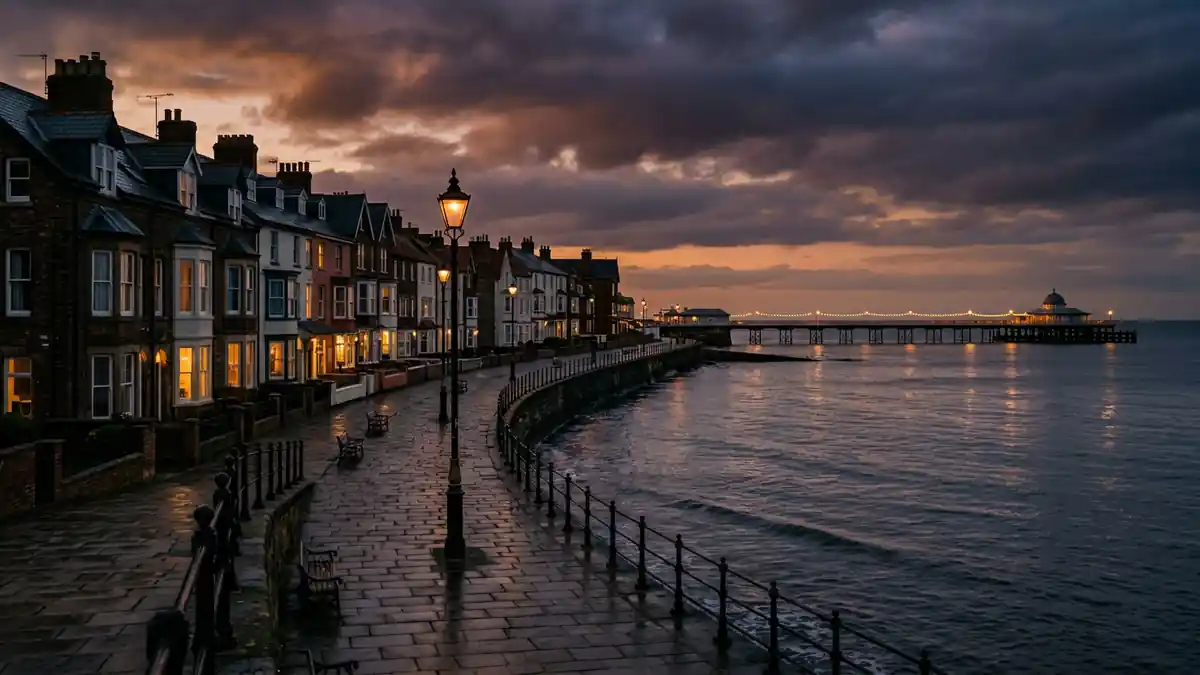
Lancashire has decided not to introduce a “tourist tax” on overnight stays, after senior councillors concluded a visitor levy would risk damaging the county’s £5.7bn tourist sector. The Lancashire Combined County Authority took the decision at a recent meeting, and Blackpool hoteliers have welcomed it.
Key points
- The Lancashire Combined County Authority (LCCA) voted not to pursue an overnight visitor levy “at least for now”, reported the Blackpool Gazette on 27 November 2026.
- Lancashire’s tourist sector is worth £5.7bn, according to the report.
- Government legislation, still going through Parliament, would require one rate across the whole county, with no variation between destinations or hotels.
- Any future move would need a local public consultation first.
Is Lancashire introducing a tourist tax?
No. The LCCA, made up of representatives of Lancashire County Council and Blackpool and Blackburn with Darwen councils, voted not to pursue an overnight visitor levy, at least for now. It will keep what it called “a watching brief” on the policy and could revisit the idea at any point.
The government is planning to offer areas with devolved powers the chance to charge a levy on visitor accommodation and reinvest the money locally. Both elected mayors and non-mayoral “foundation strategic authorities”, the status the LCCA currently holds, would be able to introduce one. When the plans were announced in September, local government secretary Angela Rayner said local leaders should have the power to make the most of their areas’ popularity and that the measure would help support local services, public spaces and attractions.
Why did councillors say no?
Councillors said the levy would not suit a county with a mixed visitor economy. The LCCA chair, Stephen Atkinson, who is also the leader of the county council, said Lancashire has “price-sensitive holidays” and that the authority must reflect that. He described the decision as an “enlightened approach”.
The sticking point was flexibility. The meeting heard that the legislation would require the levy to be set at one rate across the combined authority area, with no variation between tourist destinations or individual hotels. Phil Riley, the leader of Blackburn with Darwen Council, said the debate had been framed around urban centres, while Lancashire also has coastal and rural attractions and very different markets. Wyre Council leader Michael Vincent said a levy would have been “hugely detrimental” to the Fylde coast by removing its competitive edge, because a cheap bed and breakfast in Blackpool could not be treated differently from a country house hotel in the Ribble Valley.
A levy would be based on a percentage of the price of the accommodation, applied per person, bed or room for each night of a stay.
What do Blackpool hoteliers say?
Hoteliers say a levy could have tipped hesitant guests towards staying at home. Ian White, secretary of the accommodation association StayBlackpool, called the policy “poorly thought out” and said it would have “badly affected” the resort, because with cost-of-living pressures it could have decided whether people came at all.
Paul Caddy, owner of the Stirk House Hotel in Gisburn, said a small extra charge could be “the straw that breaks the camel’s back”, because guests look at the headline price rather than the extra in isolation. He added that lost room nights also mean lost spending at other local businesses. Mr White also warned of unfairness, because operators who failed to register as holiday accommodation could escape the charge.
Background: why the levy is divisive
Overnight visitor levies, often called tourist taxes, charge guests a percentage of their accommodation bill, with the proceeds reinvested locally. Supporters argue visitors should help fund the services and attractions they use. Opponents, including the hoteliers quoted here, say the cost lands at the point where families are already weighing up whether a break is affordable. The Lancashire decision shows how that argument plays out when a single rate must cover very different places, from a seaside resort to a rural hotel. Mr Atkinson called it an example of “true devolution”: a power was offered to the county and it chose not to use it because it “doesn’t work for Lancashire at this moment in time”.
What it means for holidaymakers
If you are planning a break in Lancashire, including a trip to Blackpool or the Ribble Valley, there is no overnight levy on the horizon for now, and nothing changes to your accommodation bill. Elsewhere, the picture will depend on each authority’s decision. Mr Atkinson said he wanted to see how many other places take the same line, so expect more announcements.
The decision is a reminder to check the full price before booking. For more on avoiding booking pitfalls this Black Friday weekend, read our report on holiday scams and the Civil Aviation Authority’s warning, and our piece on Eurotunnel biometric checks. More in London Journal travel. The original report is from the Blackpool Gazette.