
















Recently, Bharat Taxi Service was officially launched in Delhi-NCR. Currently, it is mainly available in Delhi, but will gradually expand to other major cities as well. Do you know when taxis started in India? In which city? Who owned it? And who was driving? Their stories are countless. By the way, taxis have been operating in India for over 100 years.
So, it can be said that the taxi story in India is much older and more colorful than most people realize. Taxis in India started around 1911-1912 in Mumbai. India became one of the first countries outside Europe to use taxis. This was an important achievement at the time, and was a source of curiosity.
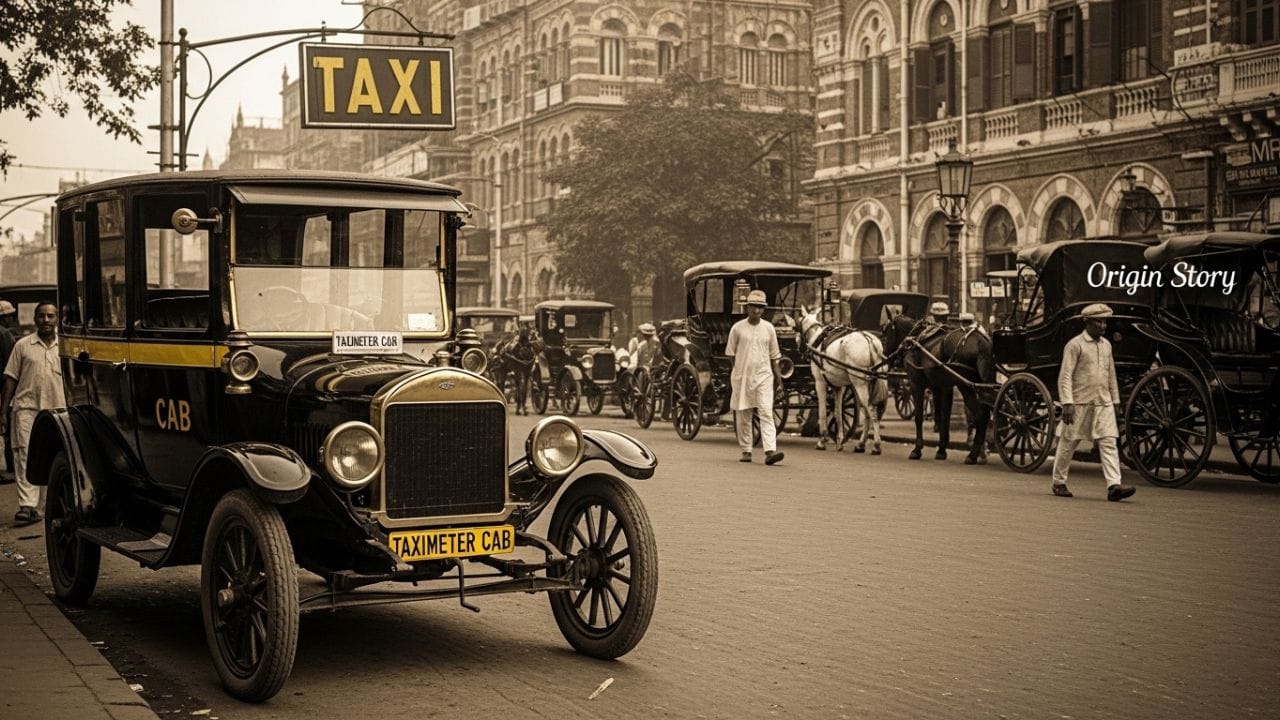
By the way, before the advent of motor taxis in Indian cities, horse-drawn carriages were common. When the motor car arrived in India in the early 1900s, wealthy Parsis and British officials in Mumbai immediately saw a business opportunity. So, when motor taxis first hit the streets in Mumbai, they were owned by Parsis. Dorabji Tata had many taxis. Parsi garage owners used to import cars from England.
At that time, cars like Fiat, Humber and Austin were used as taxis in India. It was available on an hourly basis. European officials, wealthy Indian businessmen and five star hotels like the Taj Mahal and Watson used their services.
How did the taxi meter come about?
Initially, rent was negotiated orally, leading to confusion and fraud. Hence, meters were introduced in taxis in Mumbai in 1912-1913. These mechanical taxi meters were imported from Britain. At the time, many drivers distrusted meters, seeing them as cheating machines. “This iron box eats money,” drivers used to say about the meter. Passengers assumed that the driver was manipulating them.
Who used taxis then?
There is no doubt that taxis first appeared in India in Mumbai. Then came Kolkata and then Delhi. In Delhi, it was mostly used by British officials and diplomats. At the time, large American cars were more popular as taxis. The black and yellow Bombay taxis you see today became iconic by the 1930s and 1940s.
The early taxi drivers were mostly from Konkan, Uttar Pradesh and Punjab. Many of them were ex-army mechanics who learned the trade while on the job. However, driving a taxi back then required long hours of work and memorizing English street names. After independence, Fiat's Premier Padmini became the king of Indian taxis, especially in Mumbai. These taxis operated there for 30-40 years.
Radio taxis started in the 2000s. After 2013, Ola and Uber changed everything. However, old style taxis still survive in Mumbai and Kolkata.
Where did the word taxi come from?
The word taxi is derived from the French word taximeter, meaning “fare meter”. The word also comes from the Latin word taxa, meaning fee or rate. Taximeters began to be used in Paris in the late 19th century for horse-drawn carriages (hackney carriages), which measured fares based on distance.
While people were afraid of this moving machine
When motor taxis hit the streets of Mumbai around 1912, many Indian pedestrians shunned them. Complaints appeared in newspapers that these machines drove horses crazy. In some areas, taxis were only allowed to operate during the day, not at night.
Parsi taxi driver and British officer
In the 1910s and 1930s, most taxis were owned by Parsi owners. Drivers were strictly instructed not to argue with British officials, keep their hats and coats in order and not drink and drive.
War between horse and taxi in Kolkata
When taxis were introduced in Kolkata, the Tonga union openly protested. Taxi drivers were pelted with stones. Tires of some taxis were slashed. Municipal corporations had to make separate rules for who could drive on which roads.
41.68 billion SPAM calls in one year! Has India become the new hub of scammers?, click here to read
. Source