

















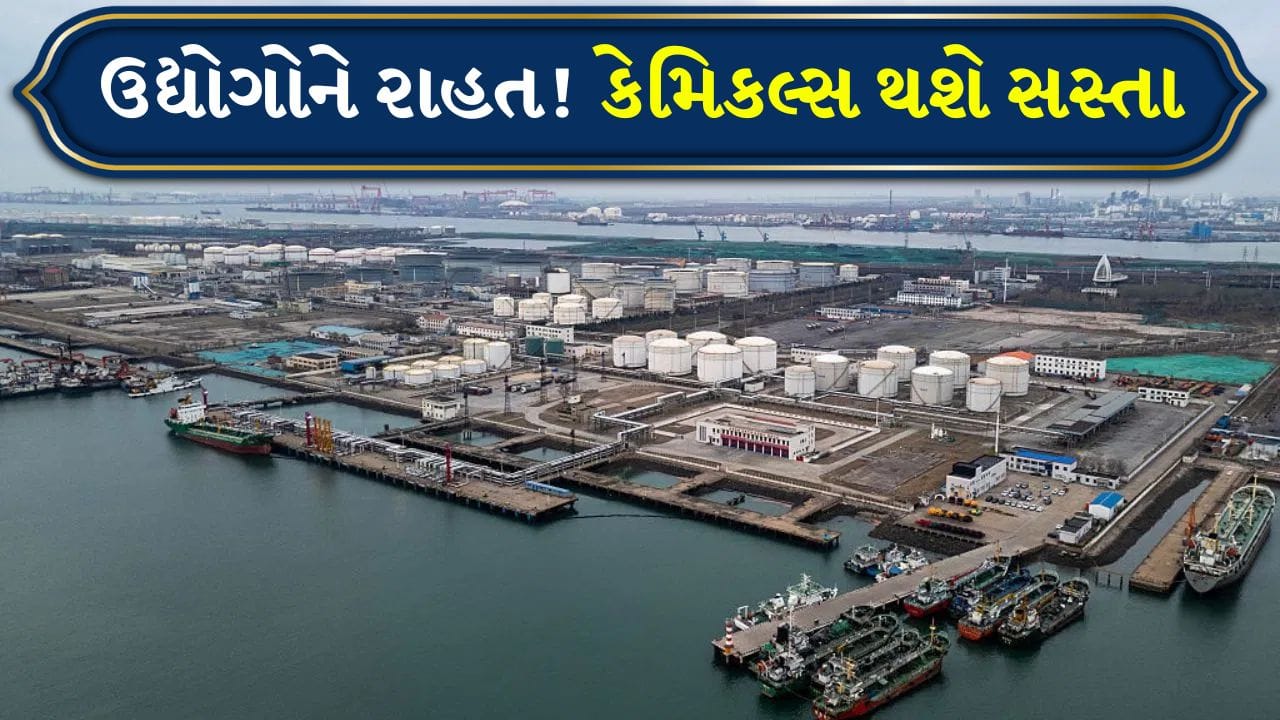
In response to the ongoing conflict in West Asia and the resulting disruptions in global supply chains, the Government of India has decided to remove all customs duties on essential petrochemical products till June 30, 2026. The government has removed duties on certain products as a temporary relief to ensure uninterrupted access to essential raw materials for the country's industries, reduce costs and maintain supply chains.
Customers will get relief
The exemption is expected to benefit many sectors that depend on petrochemical raw materials such as plastics, packaging, textiles, pharmaceuticals, chemicals, auto parts and other manufacturing sectors. Ultimately, this will also provide relief to consumers.
Chemical duty has been removed from the following items.
- Anhydrous Ammonia
- Toluene
- Styrene
- Dichloromethane / Methylene Chloride
- Vinyl Chloride Monomer
- Methanol (Methyl Alcohol)
- Isopropyl Alcohol
- Monoethylene Glycol (MEG)
- Phenol
- Acetic Acid
- Vinyl Acetate Monomer
- Purified Terephthalic Acid (PTA)
- Ethylenediamine
- Diethanolamine and Monoethanolamine
- Toluene Di-isocyanate
- Ammonium Nitrate
- Linear Alkyl Benzene
- Polymers of Ethylene (including Ethylene-Vinyl Acetate)
- Polypropylene
- Polystyrene
- Styrene-Acrylonitrile (SAN)
- Acrylonitrile-Butadiene-Styrene (ABS)
- Polyvinyl Chloride (PVC)
- Polytetrafluoroethylene
- Polyvinyl Acetate
- Polyvinyl Alcohol
- Poly(methyl methacrylate)
- Polyoxymethylene (POM – Acetal)
- Polyols
- Polyether Ether Ketone (PEEK)
- Epoxy Resins
- Polycarbonates
- Alkyd Resins
- Polyethylene Terephthalate (PET) Chips
- Unsaturated Polyester Resins
- Polybutylene Terephthalate
- Formaldehyde
- Urea Formaldehyde
- Melamine Formaldehyde
- Phenol Formaldehyde
- Polyurethane
- Polyphenylene Sulfide (PPS)
- Polybutadiene, Styrene Butadiene
Impact on the pharma sector
From pharmaceuticals and paints to clothing and toys, many petrochemical-using industries are facing the impact of the Iran conflict. Because refineries have borne the brunt of rising crude oil and gas prices on these industries. Some small petrochemical-related industries, which require a large workforce and cannot easily adjust their prices, such as the textile industry, are experiencing a pronounced impact on employment.
These industries are concerned about long-term profit pressures, as raw material prices are unlikely to decline until global petrochemical supplies improve, and the situation may improve only a few months after the end of fighting in the Gulf region.
Petrochemicals are almost universally used
The impact of petrochemical inflation is not immediate, unlike fuel inflation, but unfolds over time. The effect of higher packaging is reflected in the new stock, which comes to the market with some delay. Petrochemicals are almost universally used in everyday things. So the price increase is gradual. This affects industries that employ more people and low-income individuals are the most affected.
New rules come into effect for PAN Card, stricter rules will be imposed on large transactions
. Source