













By : David Abikso, International Journalist
New York, USA — In this exclusive conversation, Lagos-based tourism practitioner and cultural strategist Ambassador Remilekun Olaitan Martins shares how she is redefining empowerment through participation, not charity and why her model is gaining national and international attention.
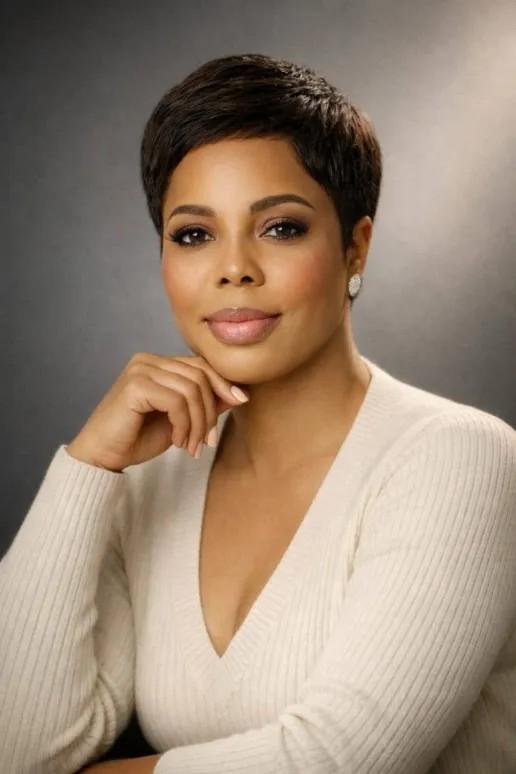
Q: Your work is often described as unconventional in the empowerment space. What exactly are you doing differently?
Martins:
Most empowerment models focus on financial support scholarships, grants, or aid. While those are important, they only solve immediate problems. What I’ve built is different. I focus on participation placing women directly within cultural and economic systems where they can actively contribute, make decisions, and grow.
For me, empowerment is not about giving it’s about positioning people to create value.
Q: You’ve said “agency, not aid” drives real empowerment. Can you break that down?
Martins:
Aid can relieve pressure, but it doesn’t necessarily build independence. Agency does. When people are part of a system when they are organizing, curating, creating they develop decision-making capacity.
And that’s the real shift. Because once someone can make informed decisions, they can sustain themselves economically.
Q: How does tourism connect with empowerment in your model?
Martins:
Tourism is one of the most underutilized tools for empowerment in Africa. Through my companies Sceptre Tourism, Sceptre & More Concepts, and Ariel Remar Associates Ltd we integrate women into cultural ecosystems.
They are not just observers; they become organizers, coordinators, and contributors within tourism and community-based projects. That participation translates into income, exposure, and long-term influence.
Q: What kind of impact have you seen from this approach?
Martins:
The impact goes beyond money. Yes, people earn, but more importantly, they gain confidence and control. When someone understands how to operate within a system, they stop depending on it.
Over time, you begin to see a shift people who once needed support start creating opportunities for others.
Q: You’ve worked across multiple communities. What patterns have you noticed?
Martins:
Communities that lack internal cohesion struggle economically, especially in tourism. Initially, I thought visibility and marketing were the issues. But I realized the real challenge was internal structure people were not actively engaged in shaping their own systems.
So instead of promoting destinations, I started strengthening participation within those communities. That changed everything.
Q: Some experts say your model challenges traditional development thinking. Do you agree?
Martins:
Yes, because we’ve misunderstood empowerment for a long time. We’ve treated it as a financial issue, but it’s actually a participation issue.
If people are not part of decision-making processes, they remain dependent no matter how much funding you provide.
Q: Your work has gained significant recognition recently. What does that mean to you?
Martins:
Recognition is encouraging, but it’s not the goal. Awards like the one from the International Association of World Peace Advocates show that people are paying attention, but the real measure is long-term impact.
What matters is what happens years later are people still dependent, or are they building?
Q: How does your model tie into Nigeria’s broader economic landscape?
Martins:
There’s a huge opportunity, especially when you consider diaspora remittances and growing global interest in African culture. But capital alone is not enough.
We need systems where participation and ownership already exist. That’s what makes investments sustainable when communities are already active contributors, not passive recipients.
Q: What should policymakers and investors take away from your work?
Martins:
They need to rethink where value comes from. It’s not just infrastructure or funding its people.
If you invest in systems that increase participation, you automatically strengthen economic outcomes.
Q: Finally, what legacy are you trying to build?
Martins:
A system where empowerment is not temporary. Where people are not waiting for opportunities but creating them.
The difference between charity and agency doesn’t show immediately it shows over time. Ten years later, when the people you worked with are empowering others, that’s when you know it worked.
About Ambassador Remilekun Olaitan Martins
Ambassador Remilekun Olaitan Martins is a Lagos-based tourism practitioner, cultural strategist, and community development operator with over 15 years of experience. She is the founder of Sceptre Tourism, Sceptre & More Concepts, and Ariel Remar Associates Ltd. Her work focuses on building sustainable systems across tourism, community development, and real estate, while advancing innovative models for women’s empowerment and economic participation.