

















New York, USA — By: Nuella Sam
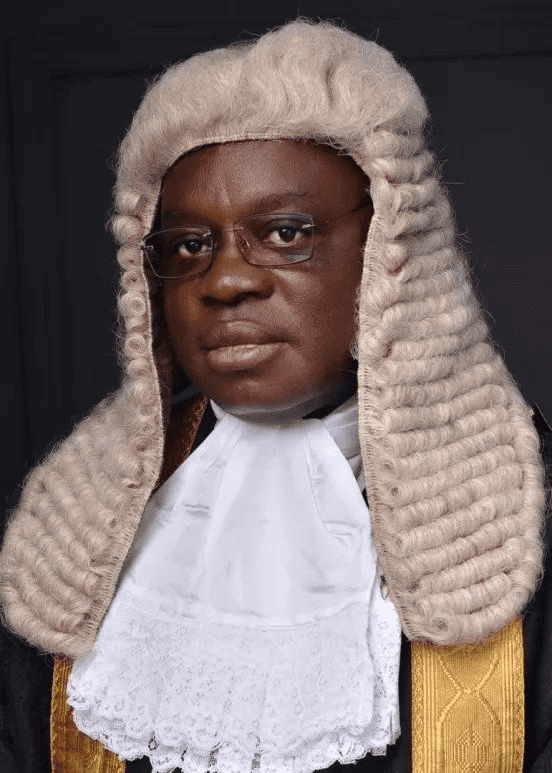
Senior Advocate of Nigeria, Joseph Agburuwhuo Nwobike, is once again at the centre of a significant legal contest shaping Nigeria’s corporate and energy landscape, as he
leads counsel in a closely watched dispute involving an indigenous oil and gas operator and the limits of judicial authority in commercial regulation.
The case, currently before the Federal High Court in Lagos, involves Eroton Exploration and Production Limited, an oil firm seeking to halt the execution of interim court orders
that placed it under external administration. Acting through its legal team led by Nwobike, the company has filed multiple applications challenging both the legality of the orders and the jurisdiction of the court to entertain the matter.
At the heart of the dispute is a broader legal question with implications for Nigeria’s investment climate: can interim judicial interventions alter corporate control without full jurisdictional clarity?
A Multi-Layered Legal Challenge
According to court filings, Eroton is seeking three principal reliefs:
- The setting aside of interim ex parte orders issued in January 2026
- A preliminary objection contesting the court’s jurisdiction
- A stay of execution alongside injunctive reliefs to preserve the status quo
The interim orders, reportedly initiated following proceedings linked to the Lagos State Internal Revenue Service, led to the appointment of an external administrator over the company.
However, Nwobike’s legal position articulated through filings and arguments before the court centres on the principle that jurisdiction must first be established before any substantive orders can stand, a doctrine widely regarded as foundational in common law systems.
Legal analysts note that such arguments, if upheld, could reinforce procedural safeguards in high-value commercial disputes, particularly in sectors as sensitive as oil and gas.
Implications for Nigeria’s Energy and Legal Ecosystem
Eroton, which previously operated a major oil mining lease in the Niger Delta and holds long-term petroleum assets, argues that the interim orders have disrupted operations and financial obligations.
The company further contends that the orders were granted without full disclosure of material facts and questions whether the initiating party possesses the legal standing required under the Companies and Allied Matters Act (CAMA) 2020 to seek such administrative intervention.
For observers, the case underscores a growing tension between regulatory enforcement and corporate autonomy, especially in industries critical to national revenue.
Nwobike’s Continuing Influence in Legal Practice
For Nwobike, the case reflects a continuation of a long standing career defined by complex litigation, institutional advocacy, and participation in shaping Nigeria’s legal framework. As principal partner at Osborne Law Practice, he has consistently handled matters at the intersection of corporate law, public policy, and judicial interpretation.
His role in the Eroton proceedings further positions him within a cadre of legal practitioners actively influencing how Nigerian courts interpret jurisdictional authority in commercially sensitive disputes.
Colleagues within the legal community suggest that beyond the immediate parties, the outcome of the case could help clarify the threshold for court-ordered corporate administration, as well as reinforce standards around due process and judicial restraint.
Awaiting Judicial Determination
As of press time, no definitive hearing date has been fixed for the substantive applications.
Yet, the proceedings are already drawing attention across legal, financial, and policy circles, given their potential to set precedent on the limits of interim judicial powers in Nigeria’s corporate environment.