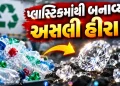





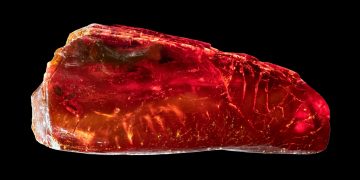








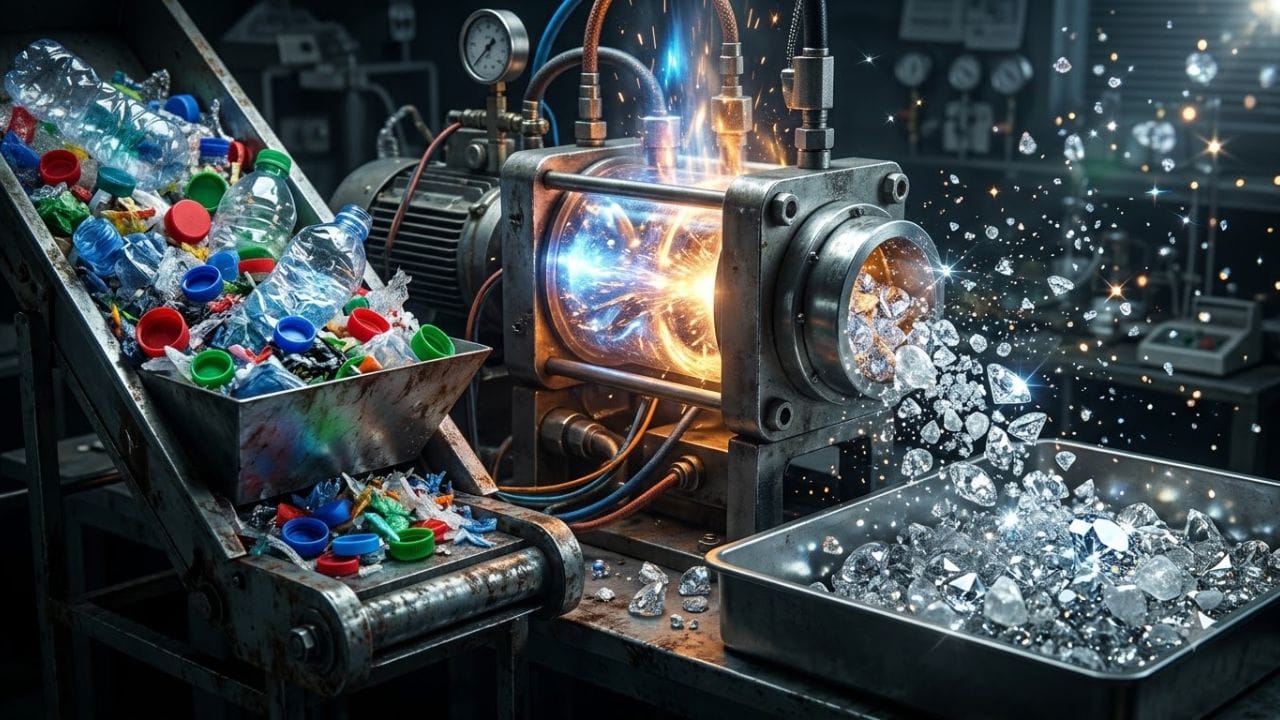
Achieving a historic achievement in the world of science, scientists have succeeded in creating real diamonds from ordinary plastic. This revolutionary experiment has been carried out by scientists from Germany’s renowned research lab ‘Helmholtz-Sentrum Dresden-Rossendorf’ (HZDR) and the University of Rostock. All of this research was tested at a state-of-the-art laser lab called the ‘Extreme Light Infrastructure’ (ELI) near Prague, the capital of the Czech Republic.
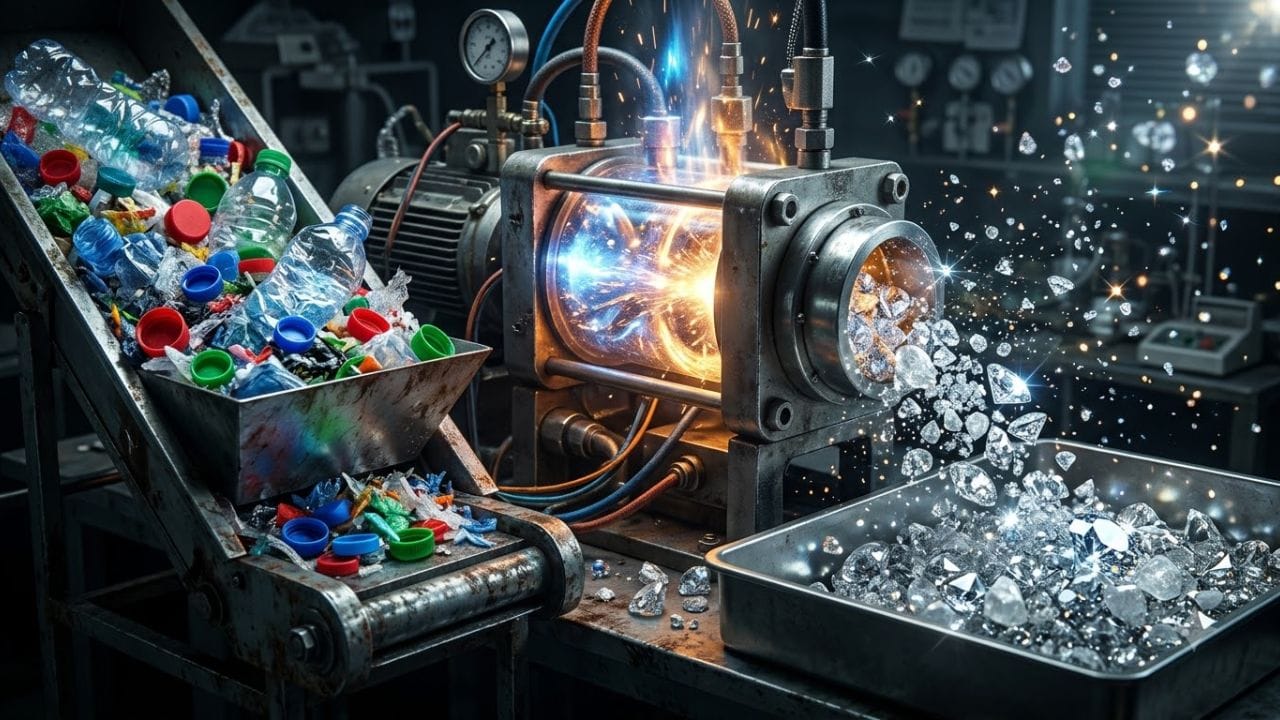
The research began with an intriguing question: What might be going on inside icy planets like Neptune and Uranus? Temperatures there are thousands of degrees Celsius and pressures are millions of times greater than Earth’s atmospheric pressure. Scientists have long believed that carbon turns directly into diamond at such extreme heat and pressure. To create this same situation in the universe in the lab, scientists fired a very powerful laser at the plastic.
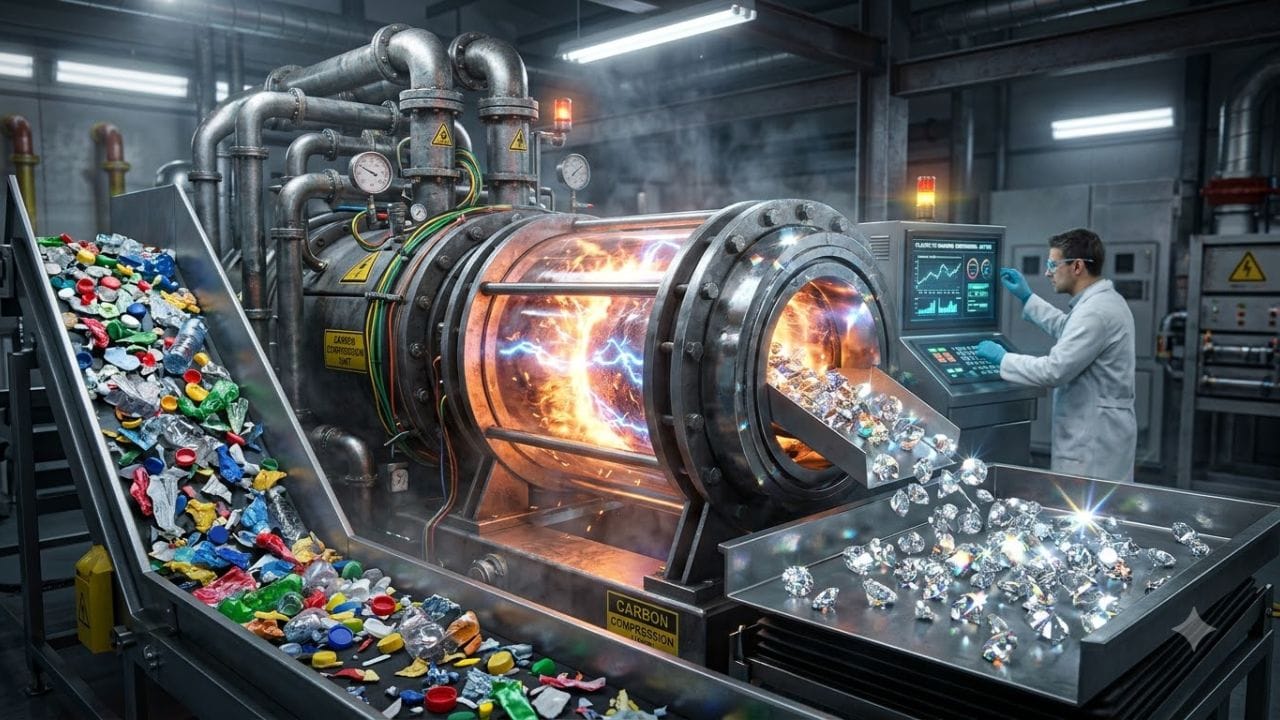
Understand the process of diamond formation like this: Thin film of plastic: Scientists took an extremely thin film of PET plastic about 100 micrometers thick. PET is the same plastic that water bottles are commonly made from. Laser Blast: A very powerful laser beam was fired at this plastic film. Shock wave: Each laser pulse hit produced a powerful shock wave inside the plastic, creating an incredible pressure of about 100 gigapascals (about 14.5 million pounds per square inch). Carbon becomes the hero: Under such enormous pressure and extreme heat, the carbon molecules in the plastic rearranged and transformed into ultra-fine nanodiamonds.
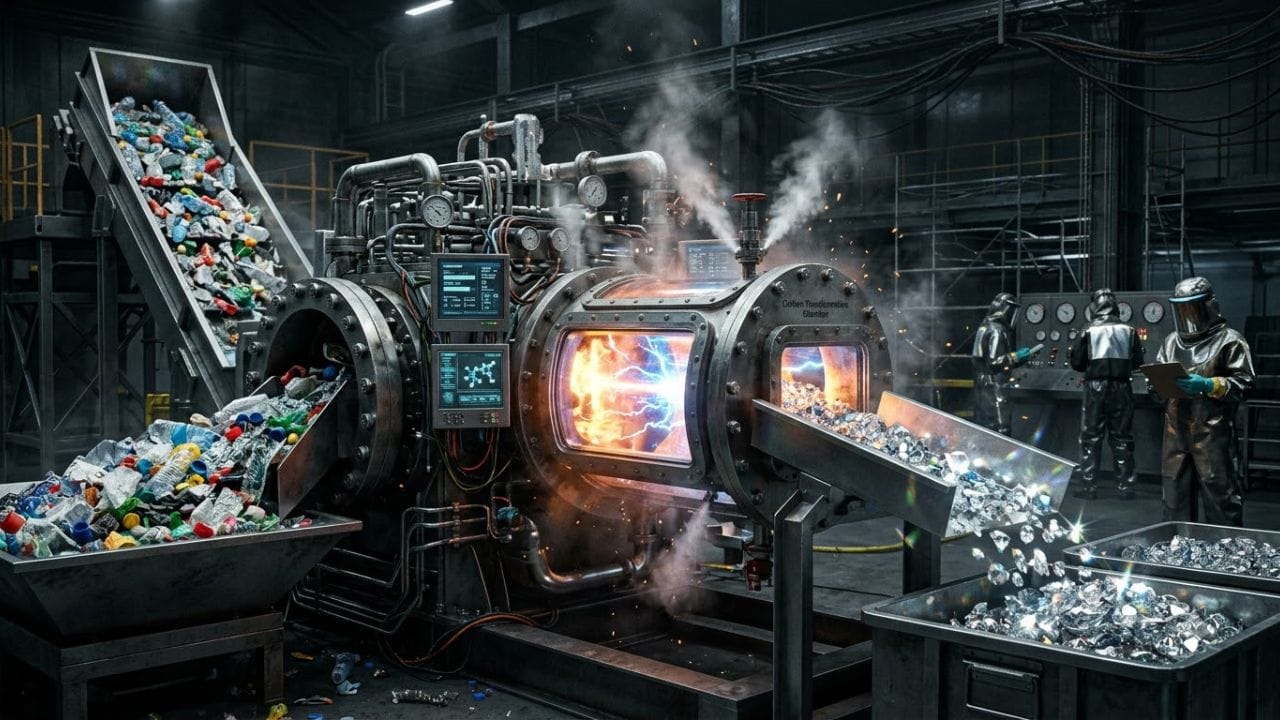
Biggest Challenge: Safeguarding Diamonds: A bigger challenge than making the diamonds was collecting them properly. As the shock wave passes through the plastic and enters the vacuum, it ejects the newly formed diamonds at a tremendous speed of approximately 10 kilometers per second (over 22,000 miles per hour), the speed of a meteorite impact.
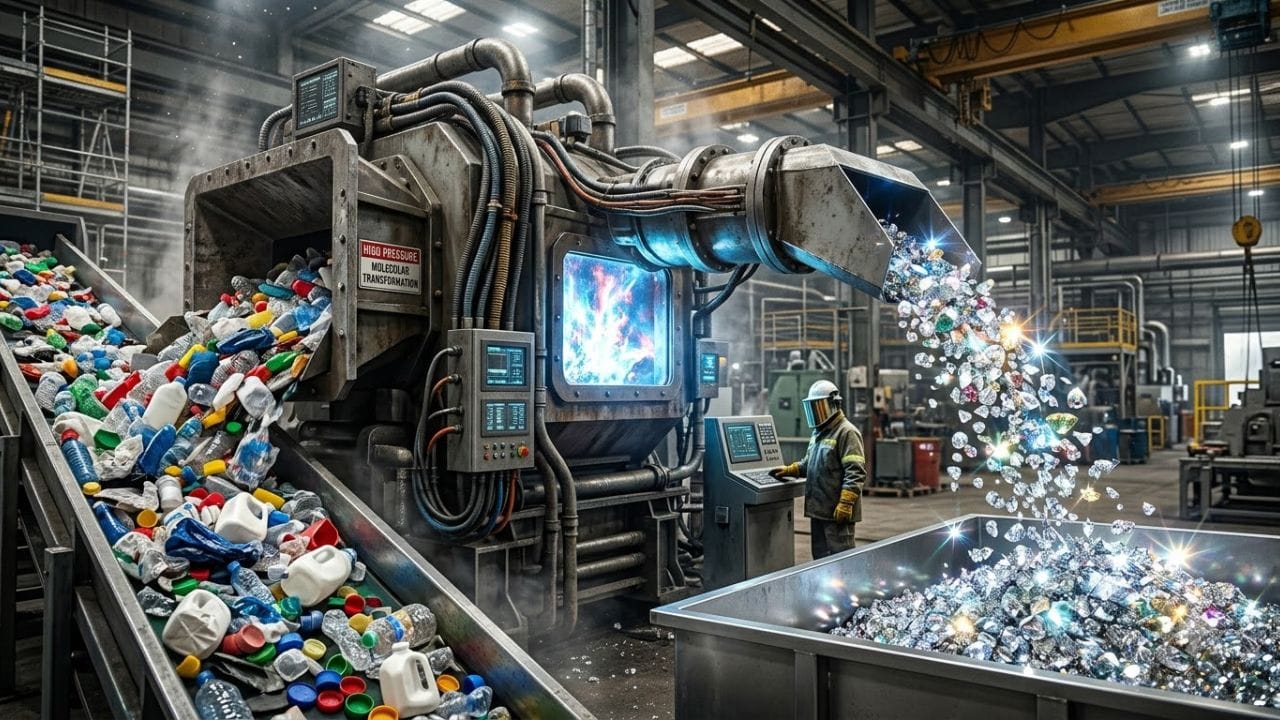
To prevent the diamond from breaking at such high speeds, the scientists used a special water-soluble ionic gel, which is effective even in a vacuum. Like a cushion kept to catch a fast ball, the diamonds are trapped in this prison and kept safe.
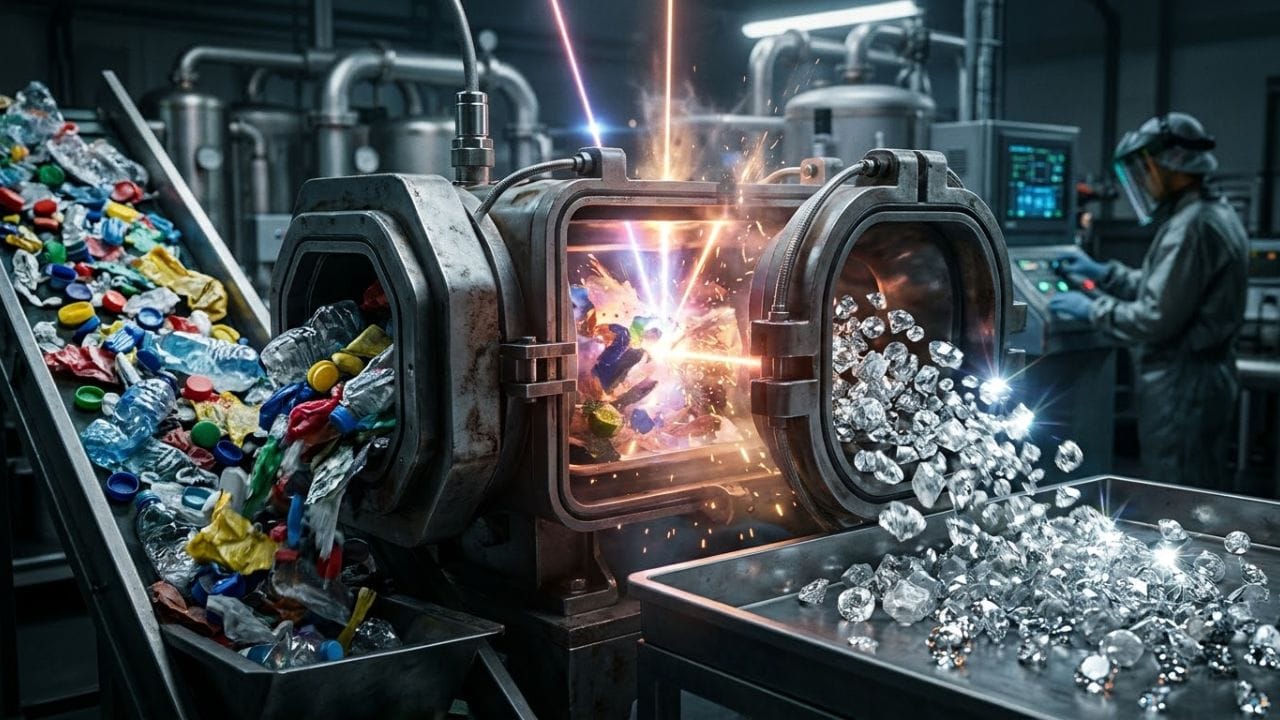
How many and how did these diamonds? The figures were very surprising. Each laser shot produced approximately 10 trillion (10 lakh crore) microscopic nanodiamonds. Each diamond averaged just 3 nanometers (three billionths of a meter) in size, containing about 3,000 carbon atoms. It was successfully tested with the ELMI-MV electron microscope of the University of Rostock.
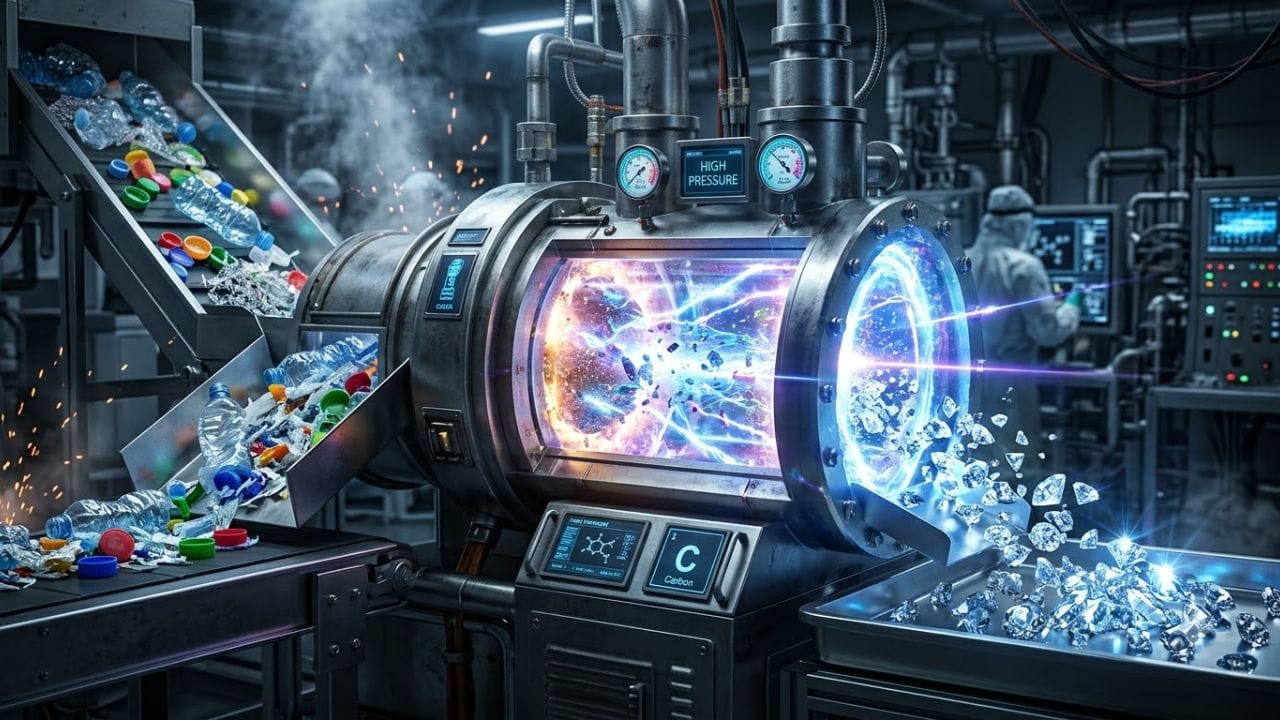
Why is this method special? Until now, nanodiamonds were made by explosion method, in which the diamonds were not of uniform size and the purity was low. Whereas with this new laser method: Diamonds are 100% ultra pure. Its size is very small. All particles remain uniform in size. Where will these nanodiamonds be useful? Nanodiamonds are extremely strong, stable and can withstand high temperatures. Future Uses: Medical field: As a contrast agent in scanning like MRI for accurate diagnosis of cancer and other diseases. Quantum sensors: In ultrasensitive quantum computing and measurement devices. Green Energy: Sunlight will prove useful as the best catalyst for generating clean energy by breaking down carbon dioxide (CO2).
The eyes of the system were opened in the Rajkot civil scandal: the health department formed an inquiry committee, sought an explanation – watch video
. Source