















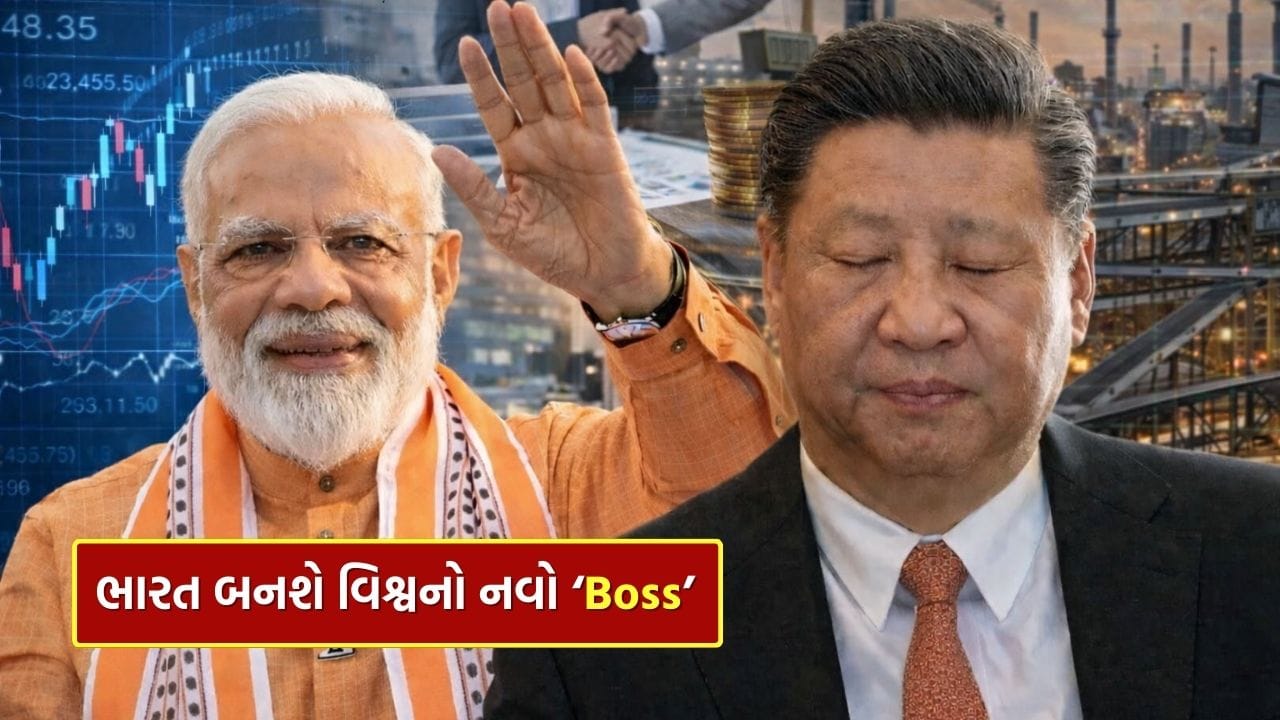
India is now poised to overtake China in the global economy. The government has made a grand plan to triple the country's exports in the next 10 years. Under the scheme, 30 new manufacturing centers will be set up across the country and stringent rules for factory setting will be eased. The government is now going to focus not only on disbursement of funds, but on the feat of facilitating trade, so that all major products of the world are made in India.
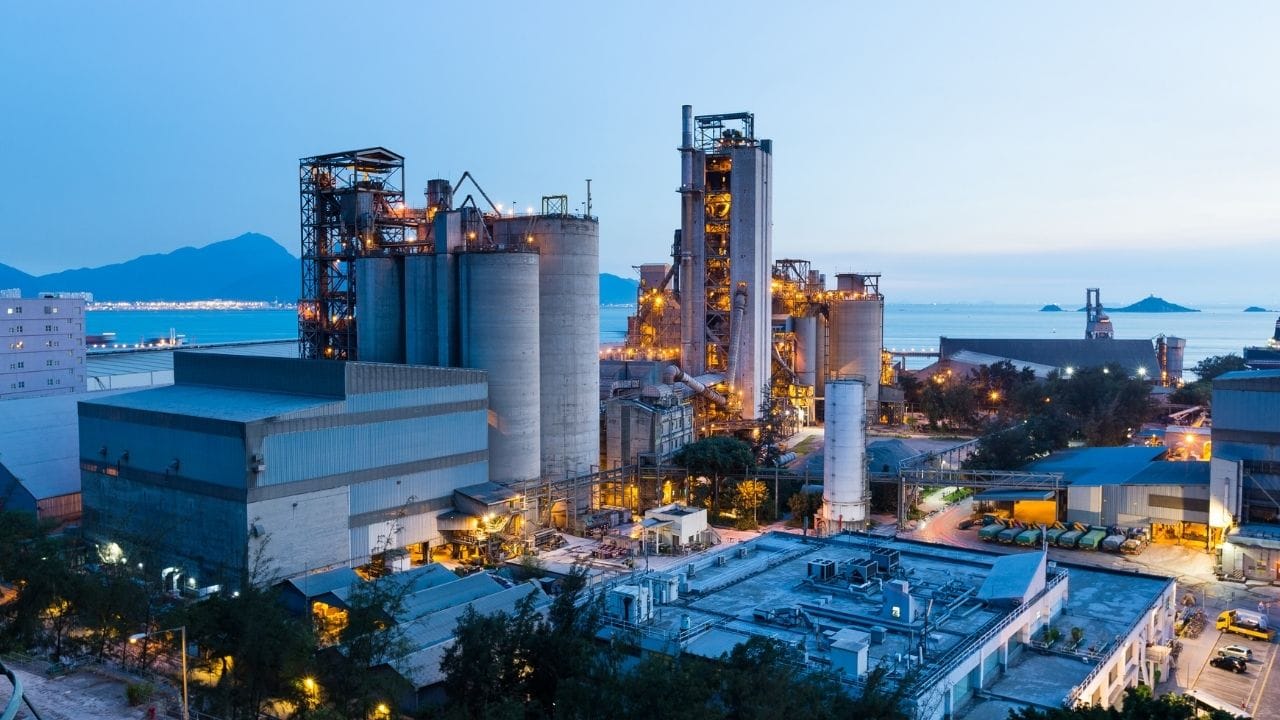
India is poised to redefine its economic power on the global stage. The government is aiming to make the country the next “factory” of the world. If the plan succeeds, it could worry countries like China. Led by Prime Minister Narendra Modi, the government aims to increase the country's exports to $1.3 trillion (Rs 108 lakh crore) by 2035. This time, the government's focus is not just on massive subsidies, but on reforming regulations that have hindered progress for years.
India has been trying to become a manufacturing hub for the past several years. Despite the “Make in India” initiative launched in 2014 and a $23 billion stimulus package by 2020, the target of increasing the share of manufacturing in GDP to 25% is yet to be achieved. Officials believe that the previous policies did not yield the expected results.
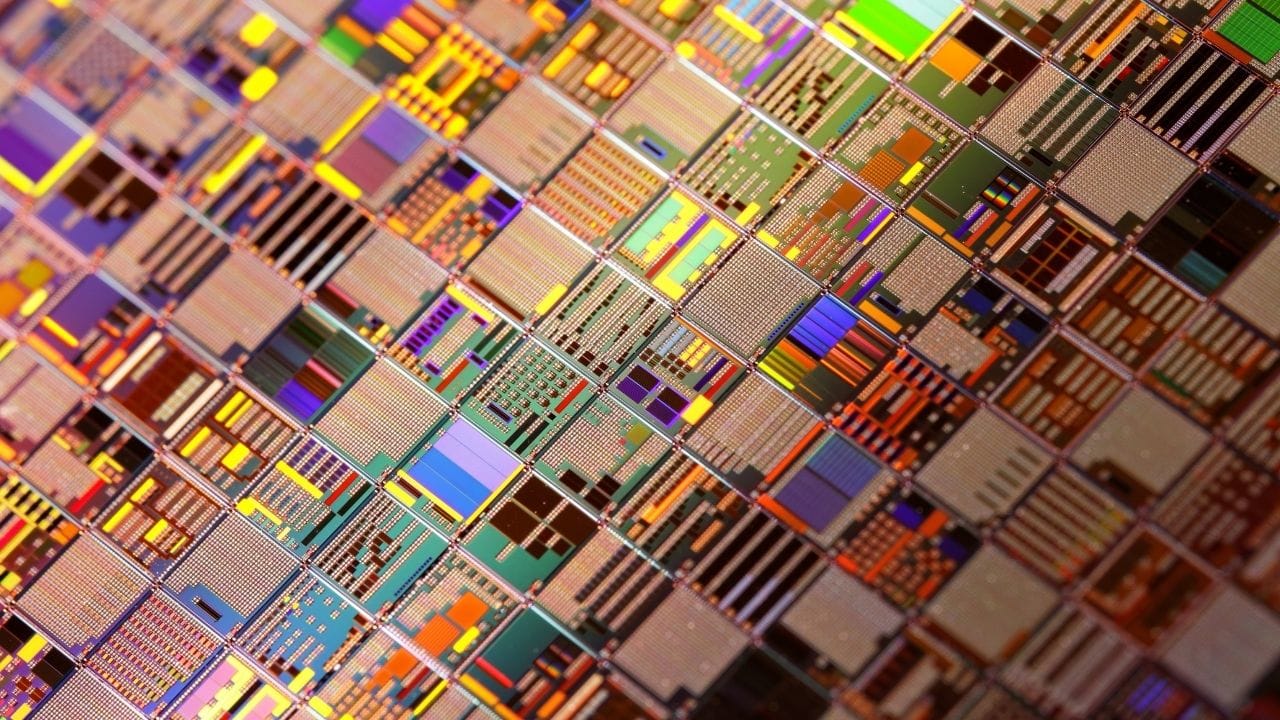
This time the government is adopting a new strategy. It will focus on 15 selected industries, with high-tech industries such as semiconductors (chips), metals and leather as the core. The government believes that just throwing money at the problem will not solve the problem, but “bold and focused” reforms in the internal structure of the system will yield results.

Under this “National Manufacturing Mission”, the government plans to set up 30 new manufacturing hubs. About ₹100 billion ($1 billion) is expected to be spent for this. The centers will be located in places where basic infrastructure or facilities are available near ports, to facilitate import-export.
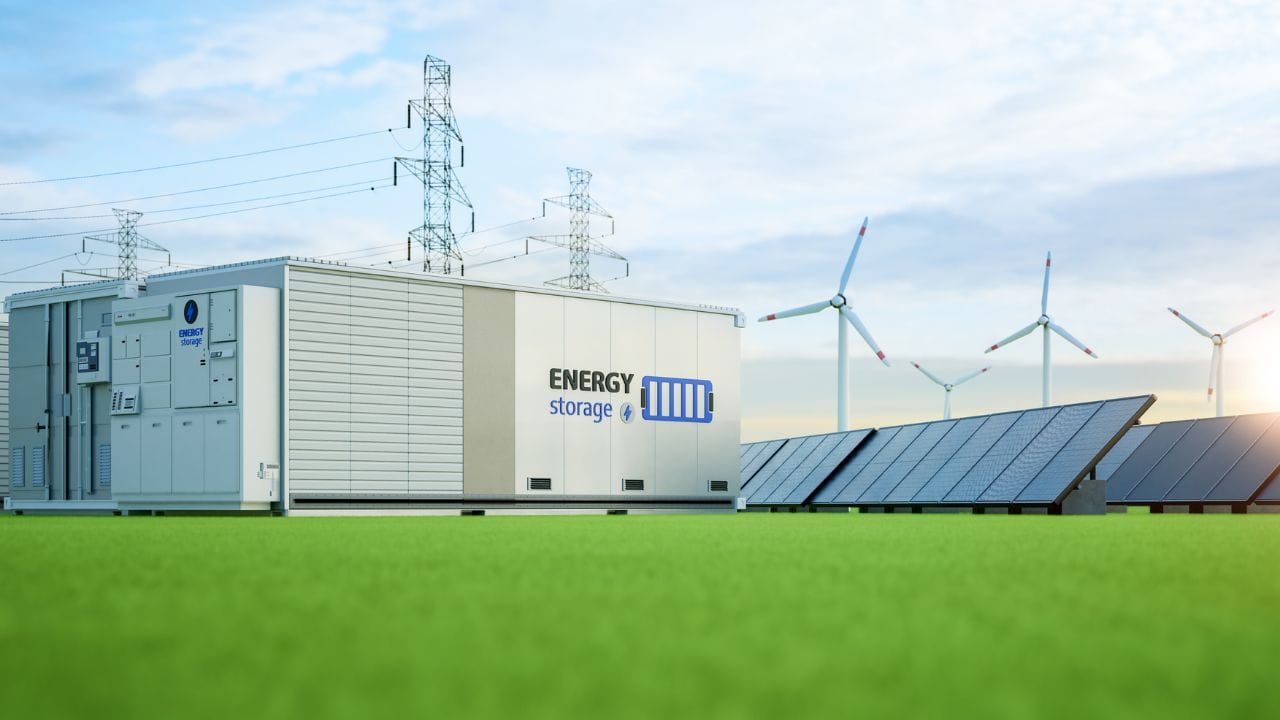
A grant of $218 million will also be earmarked for advanced sectors such as chips and energy storage. The Finance Ministry and NITI Aayog are working on finalizing the scheme. It is expected to be announced in detail in the February 1 budget, though no official confirmation has been received yet.
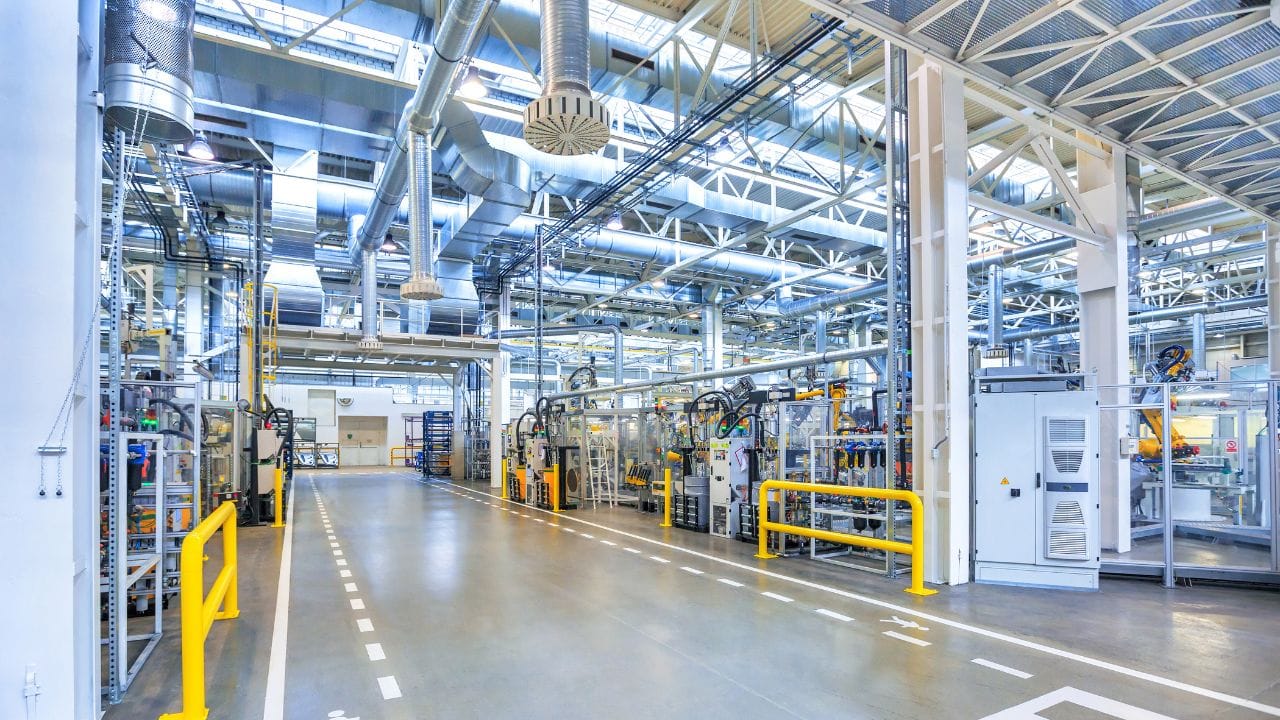
“Red tape” is the biggest complaint for entrepreneurs in India. It takes many months, sometimes years, to get permission for electricity, water and land to set up a factory. Besides, different regulations of central and state governments confuse investors.
To solve this problem, a special government panel will be formed. The panel will be chaired by the Minister and will include senior officials like the Cabinet Secretary. The panel will work with states to ensure that factories get km and uninterrupted power. Also, harmonization of labor and business regulations in different states will reduce costs.
Jagat Jamadar Trump's statement after meeting with Zelensky, click here to know..
. Source