

















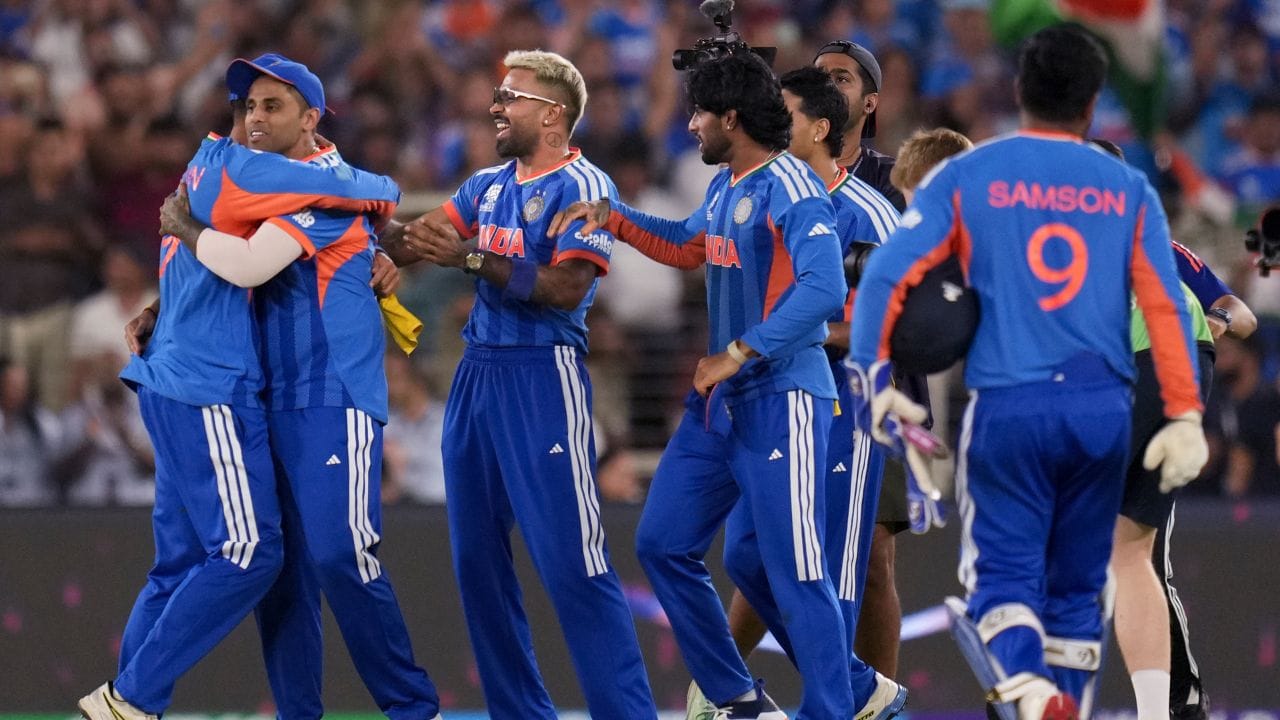
In cricket, jersey numbers are important for the unique identification of players, allowing them to be easily identified by fans, commentators, umpires and TV cameras. It is a branding tool and eliminates confusion between players with the same name in the same team.
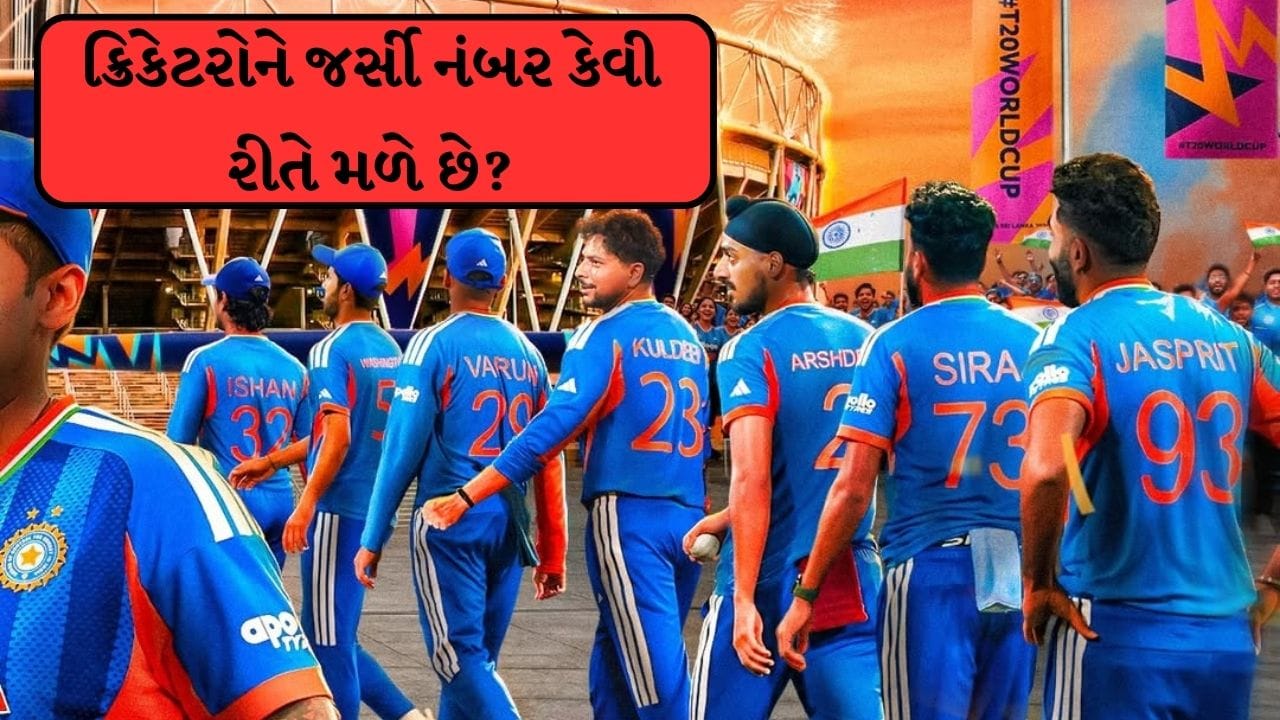
It is easier for on-field players, support staff and commentators to identify players by their jersey number rather than their name. Some players' jersey numbers become iconic (like Sachin's 10, Rohit's 45), conjuring memories of that player for fans.

Cricket fans are eagerly waiting for IPL 2026. During the match, the fans have their eyes on the TV and the skins. But do you know, the jersey that the players wear during the match? How does he get the number written on the back, what is the rule regarding this. On the cricket field, the jersey number is the identity of the players.
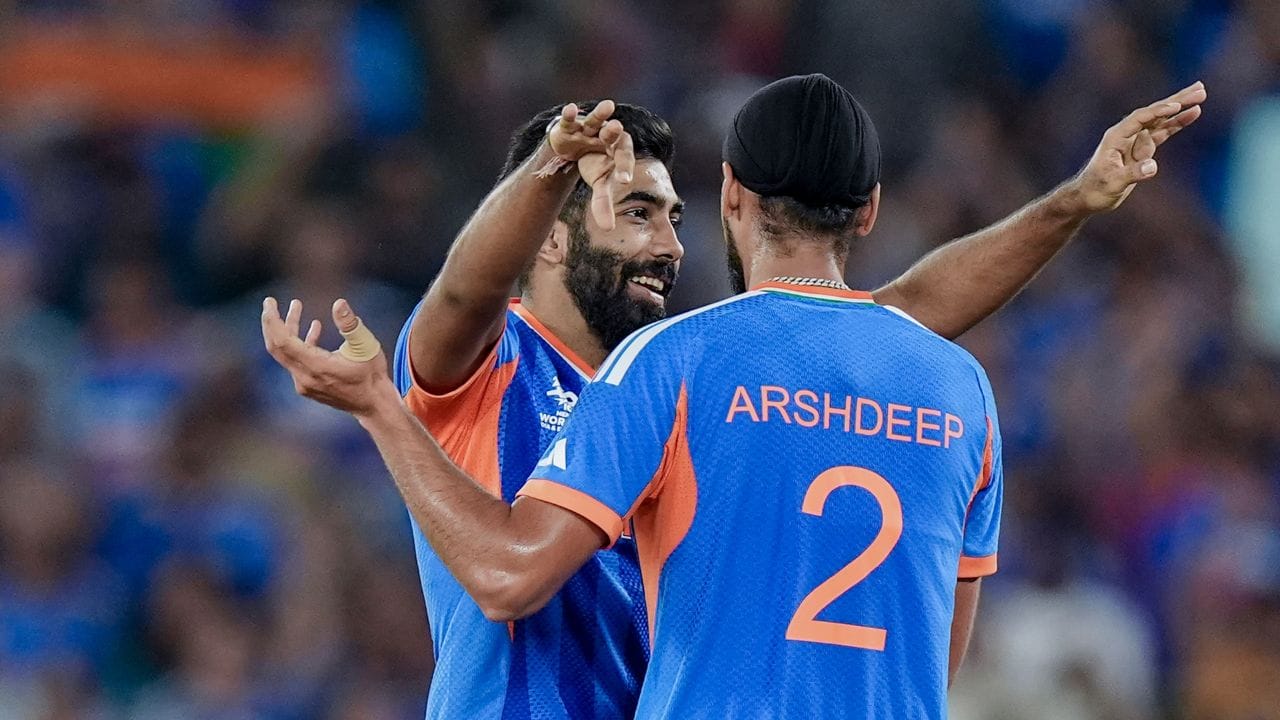
Although neither the BCCI nor the ICC directly allocate numbers, as per the rules, no two players should have the same number in the playing eleven at the same time.
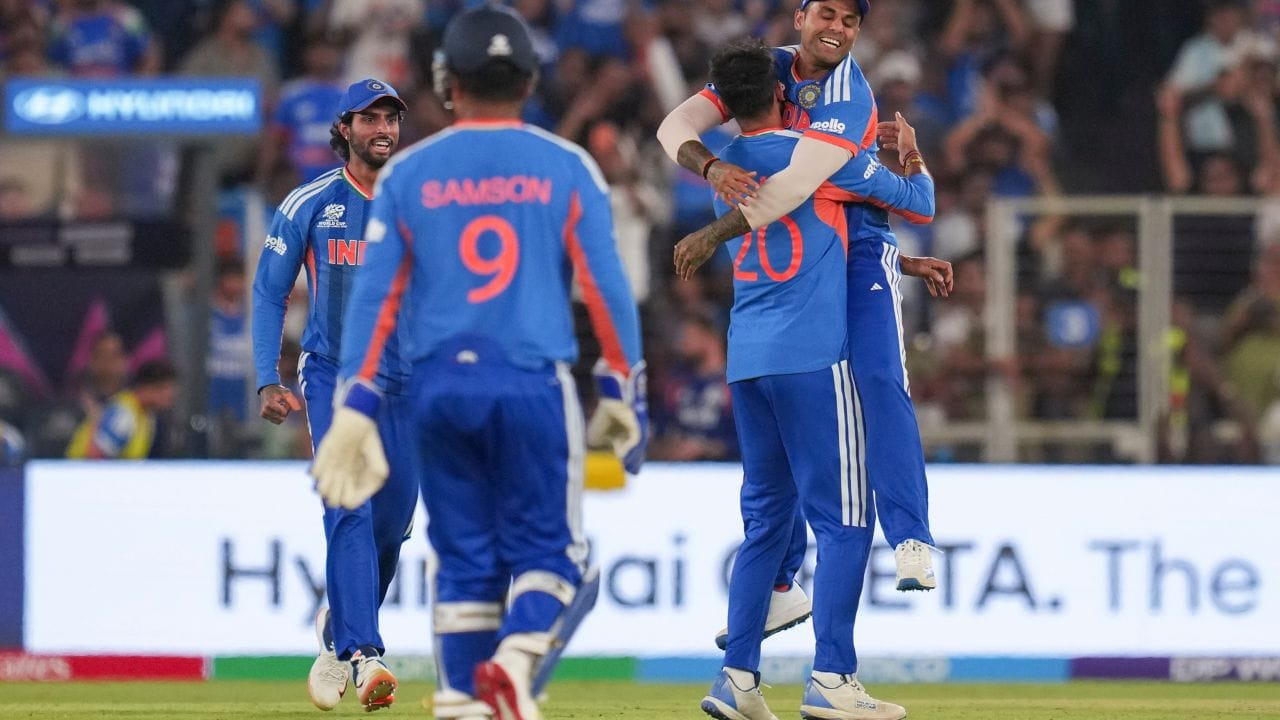
In earlier times scoreboards were mainly manual, made of wood or metal. Scores, wickets and overs were displayed manually by rotating number cards or plates. These were managed by specialized operators who updated live scores based on pen-and-paper scorecards.
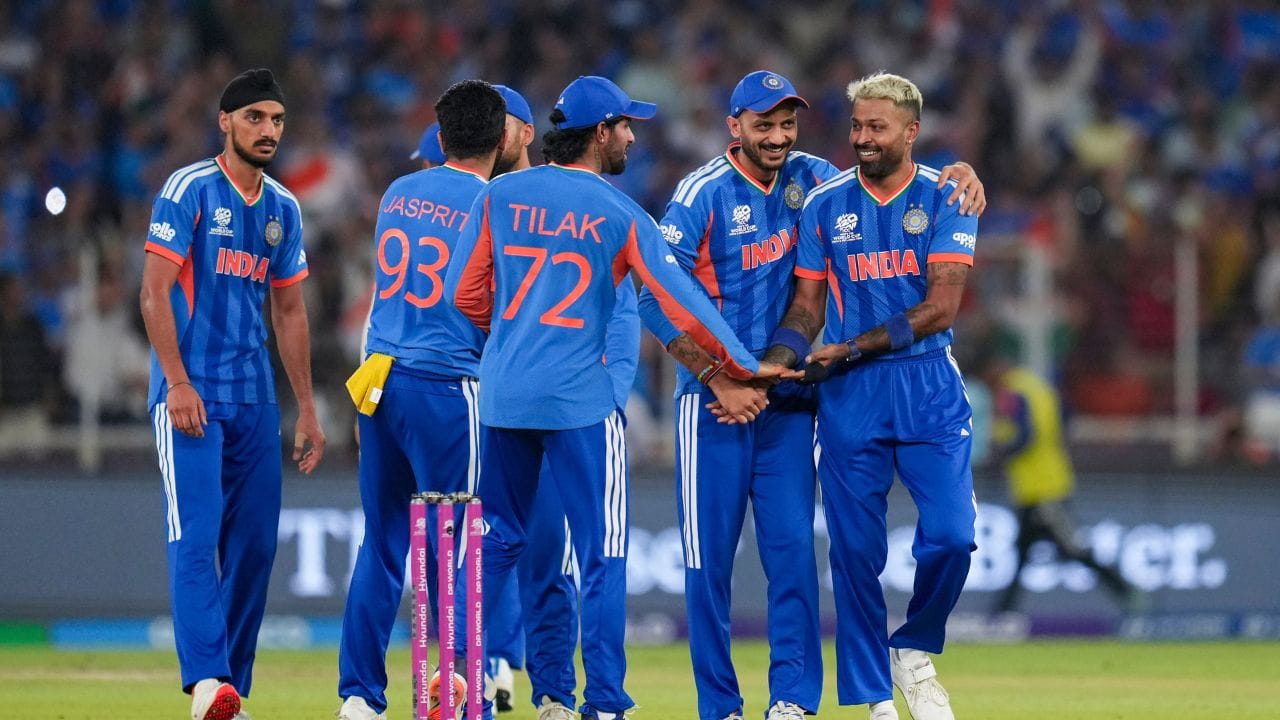
Let us tell you that, in earlier times, photos of cricketers were not printed in news papers.
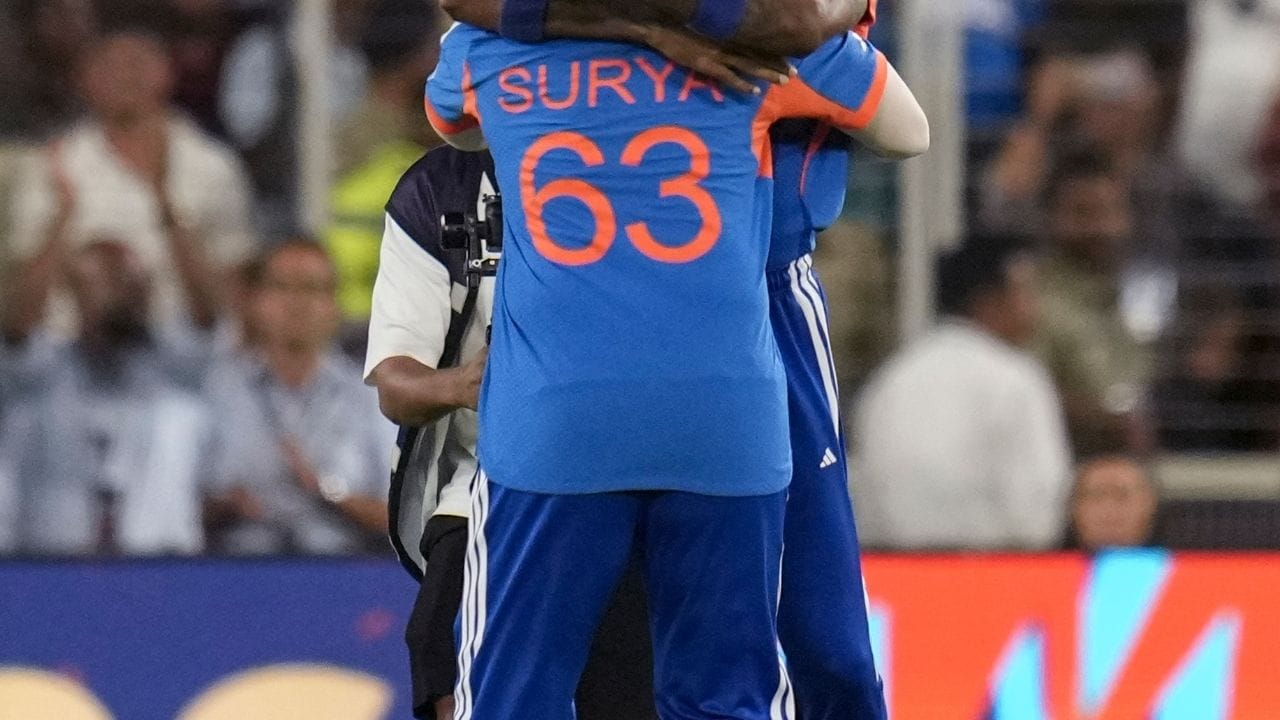
Players were identified by their jersey number. The scoreboard was changed based on this jersey number. Like if a bowler took a wicket, the scoreboard was managed by knowing his jersey number. (ALL PHOTO: PTI)
Cricket is one of the most popular sports in the world. The game is played in three formats, the longest format being Test cricket. Click here
. Source