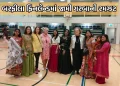












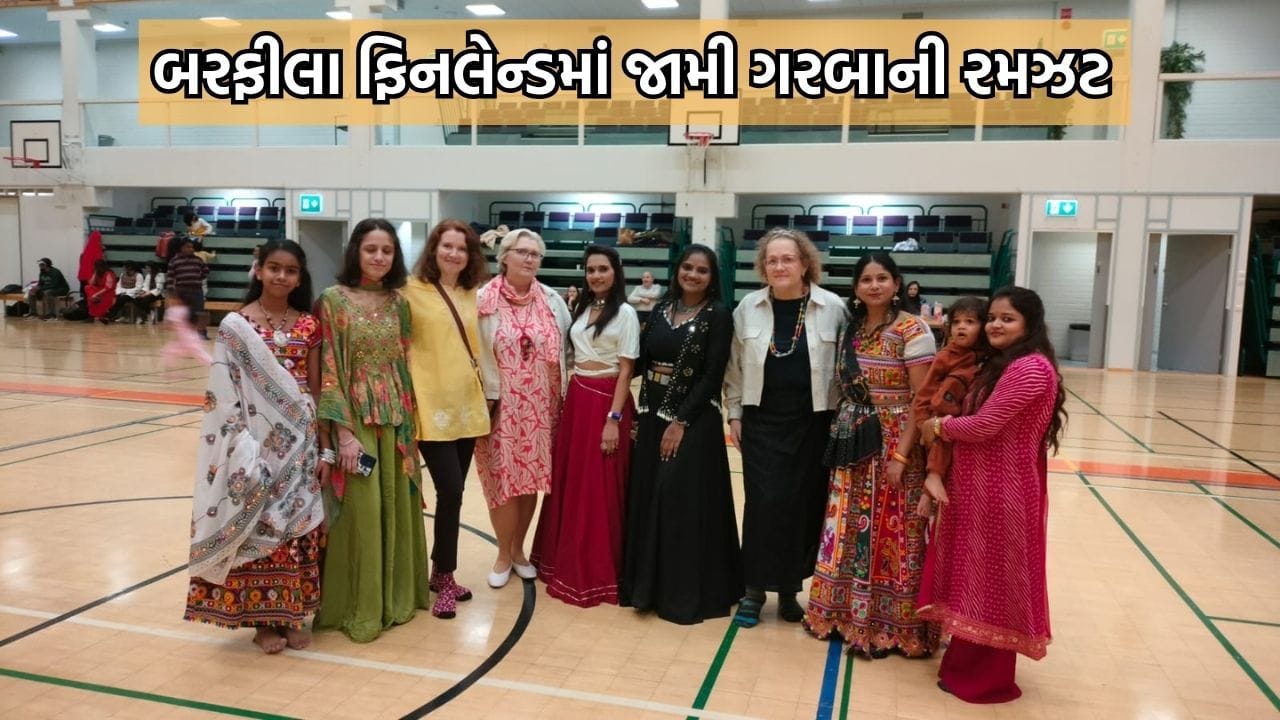
When the garbo that beats in the heart of Gujarat reverberates thousands of kilometers away in the snowy regions of Europe, it is not just the sound of a dance; It becomes a sense of attachment to one’s soil, a pride of culture and a melody of affection that binds the world together. Garba celebrations held on the occasion of Navratri in Rovaniemi and Oulu in Finland embodied the same spirit. Around 700 people participated in the programs of both the cities. Apart from various states of India, citizens of Finland, Bangladesh, Sri Lanka, Pakistan, Iran and other countries of Europe also enjoyed the flavor of Gujarati culture by singing Garba.
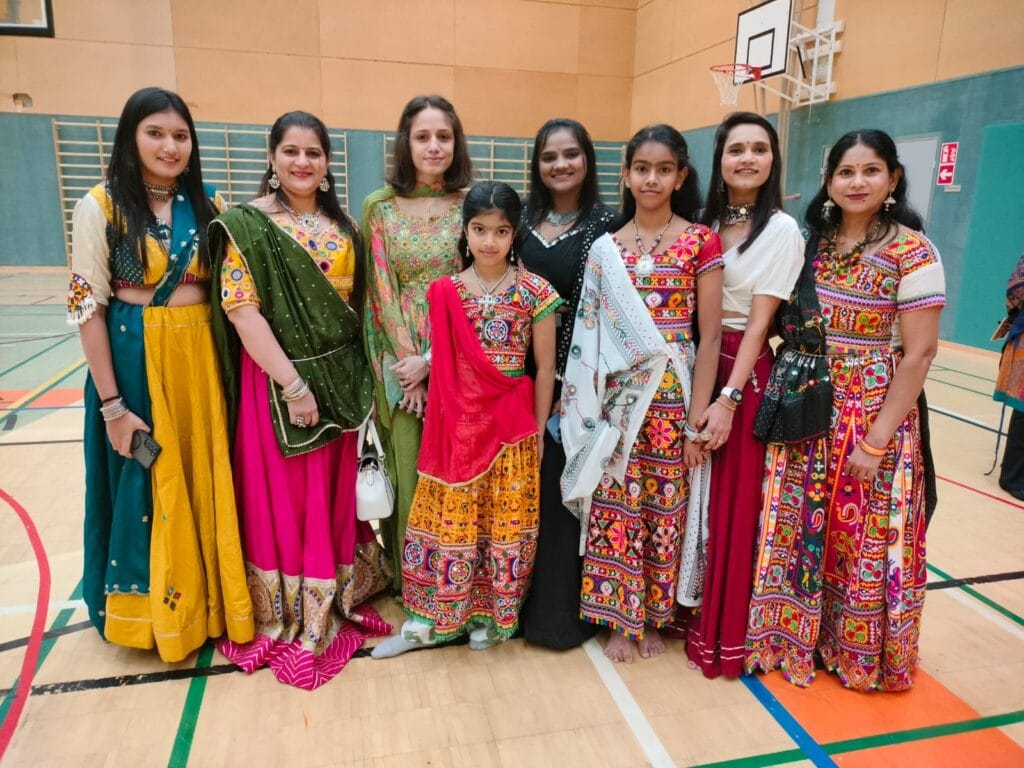
The events held in Rovaniemi featured colorful chaniyacholis, traditional kadias, Gujarati music and garba beats creating a festive atmosphere. Navratri celebrated on foreign soil proved that geographical distance is never a barrier to keep culture alive. For Gujaratis living far away from their homeland, this celebration became an opportunity to touch the soil of Gujarat and relive their childhood memories.
An attempt to spread the fragrance of Garba to the world
Garba organizers Het Garhula and Harshil Desai in Rovaniemi and Navratri program organizers in Olu, Kasturbhai, a native of Kutch and later settled in Ahmedabad, said, “Through Garba, it is our attempt to present India’s heartwarming cultural heritage to Finland and spread the flavor of Garba. Gujaratis living here miss Garba very much. This program misses them. There is an effort to complete and bring everyone together.”
‘The rhythm and rhythm of Garba is really amazing’
The most beautiful thing about this celebration was that Garbo was not limited to the Indian community only. Citizens of different countries also joined it and got to know the Indian culture closely.
Musa Nuri, Deputy City Councilor of Rovaniemi and originally from Bangladesh, said, “Seeing this kind of festival celebrated here brought back my childhood memories. Garba was celebrated around my house in Bangladesh and I used to participate in it. People from different countries live in Rovaniemi. Such events give everyone a chance to learn and enjoy each other’s culture.”
Ali Gholami from Iran joined the event with his wife and children. After experiencing Garba, he said, “Earlier we had no special knowledge about Garba. But when we saw Garba, we realized that this is a really wonderful dance. Its rhythm and rhythm are very beautiful. We are very happy to participate in this program.”
Malcolm, originally from Pakistan and later settled in Mauritius and now based in Finland, also welcomed the event and said, “This is a beautiful program. Through it we got an opportunity to know the rich and beautiful culture of India.”
Sri Lankan Subhash appreciated the energetic form of Garba and said, “Garba is a very energetic dance. Through this program we got an opportunity to understand and enjoy Indian culture closely.”
Yurki Havikko from Finland and Anne Maria Havikko, Administrative Secretary of Rovaniemi City said, “Through this program we got an opportunity to know Indian culture. We played Garba and really enjoyed it. It is an energetic dance and it was an amazing experience to participate in it.”
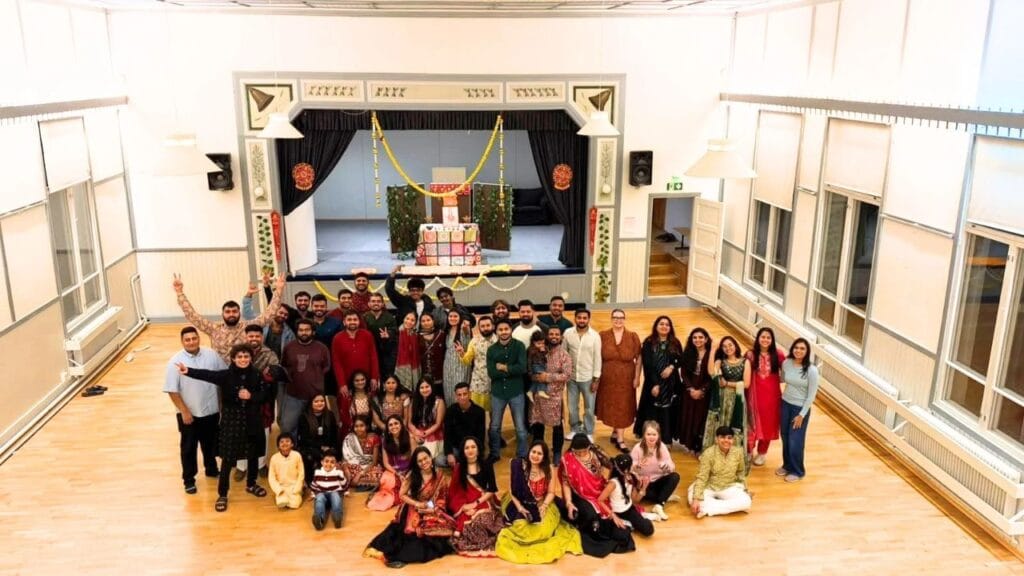
‘Garbo is the heartbeat of Gujaratiness for Gujjus living abroad’
Garbo is not just a dance for Gujaratis living abroad; It is a feeling connected to the memory of the homeland, the culture and one’s identity.
Jagurtibehan Berdia of Ahmedabad expressed her feelings and said, “What could be more happy than being able to play garba while living in Finland? Garba is the pride of Indian culture and the heartbeat of Gujarat.”
According to Sweety Patel from Surat, “It is a joy to be able to play garba while in Finland.”
According to Anandana Krishna, Garba is always close to the heart, but the program has also brought people from different countries to one tune.
These words reflect the sentiments of many Gujaratis living abroad. For those living away from family and homeland, Navratri is an opportunity to revive their traditions, pass on the legacy of culture to a new generation and strengthen their emotional connection with their land.
. Source