
















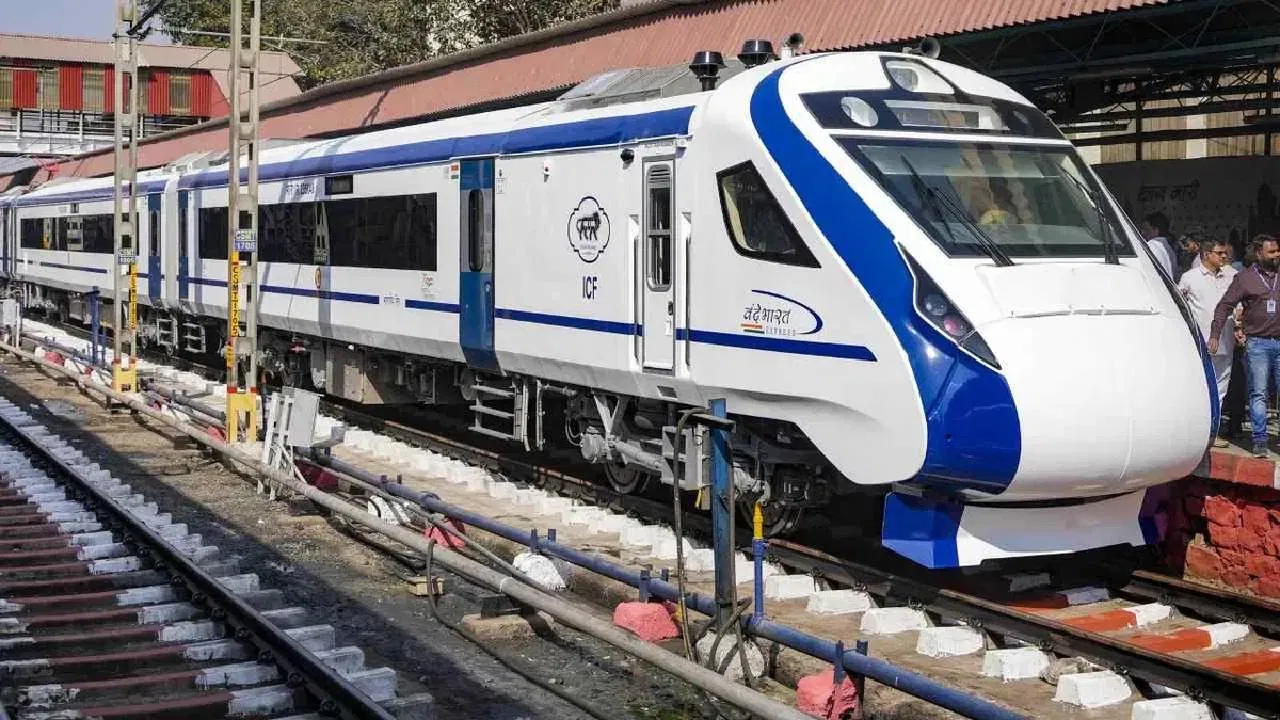
While traveling on the road, the first thing you have to do is fasten your seat belt as soon as you get into the car, and if you don’t do so, you have to pay a huge fine. In the same way, seat belts are essential for the safety of passengers in airplanes. But have you ever wondered why seat belts are not installed in the huge and fast trains running on the tracks? Not only this, this facility is not available in modern bullet trains of India and abroad. There are many specific technical and practical reasons behind this.
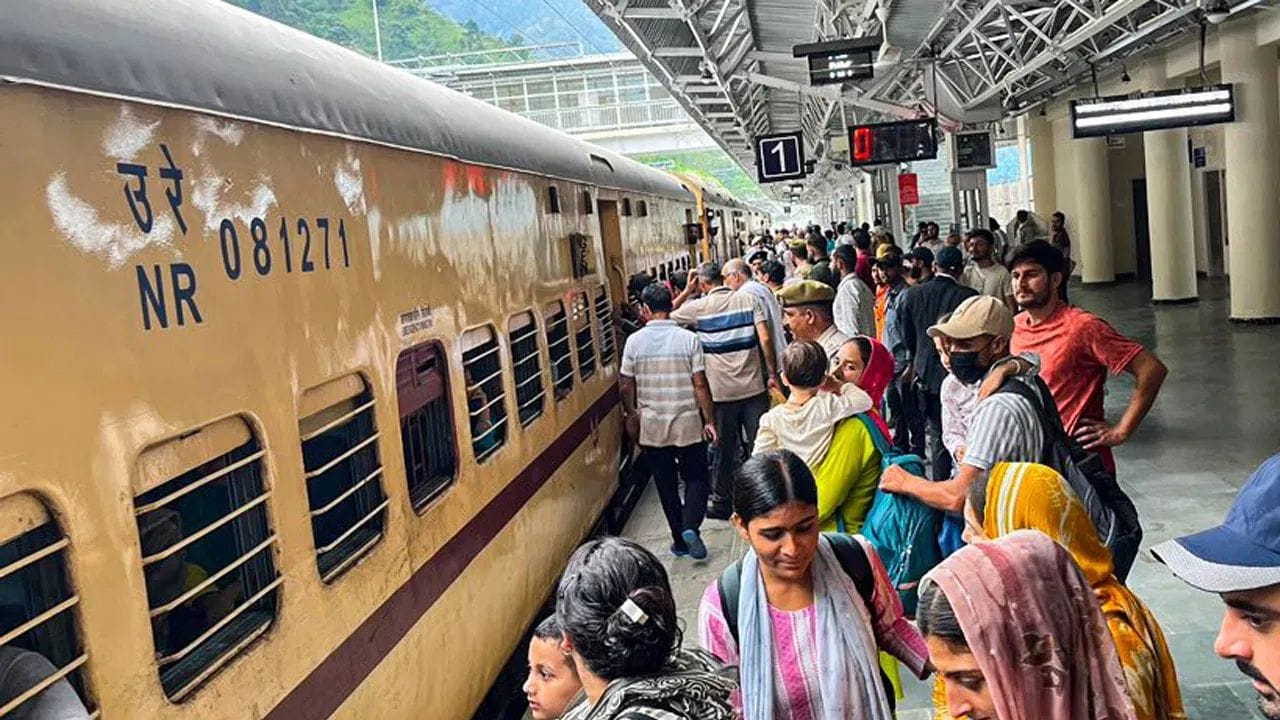
There is a huge difference in speed and weight between cars and trains. When a car hits a wall or another vehicle, it comes to a sudden stop in a very short time, causing an extremely intense crash force or shock to the occupants.

In contrast, trains are very large and long in size. Collisions with small obstacles do not immediately affect the train’s speed, so it does not jolt the passengers forward like a car.
Compared to road vehicles, trains run entirely on a controlled and defined track. It is operated under signaling system and railway rules, so chances of head-on collisions or accidents are greatly reduced.
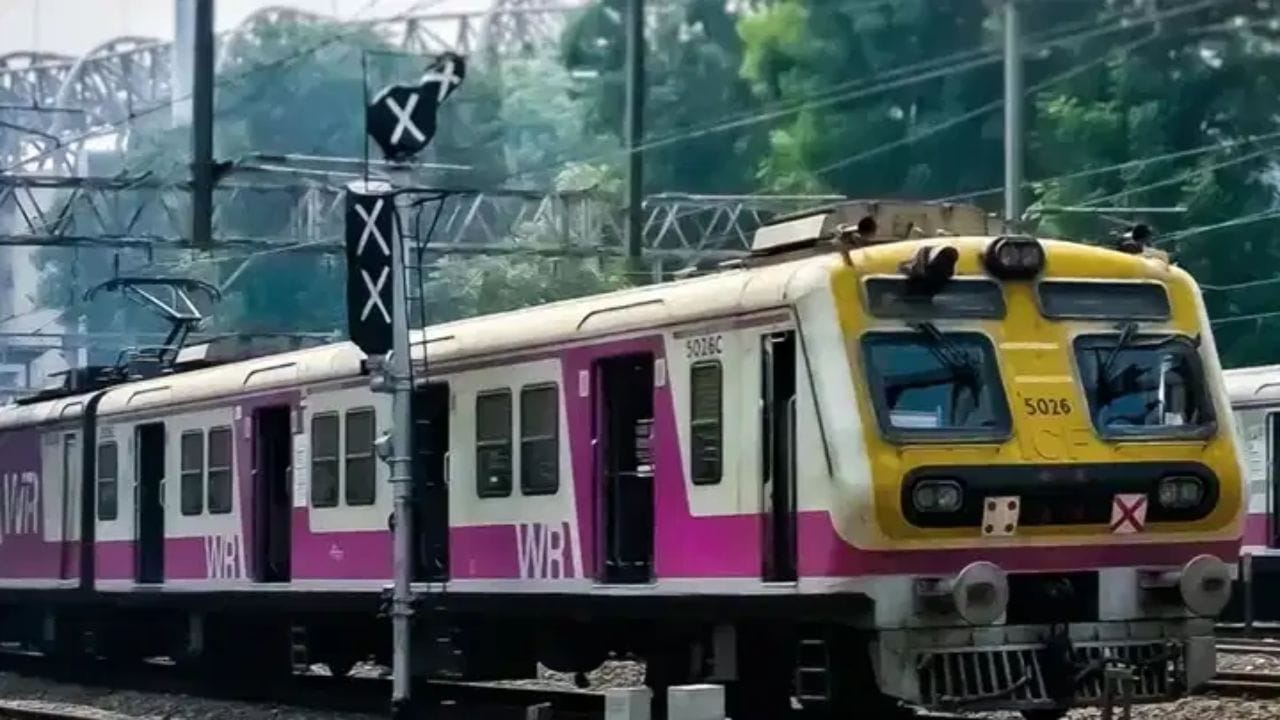
According to statistics, traveling by train is considered to be about 17 times safer than traveling by road. There is no need for this additional safety measure in trains due to the negligible possibility of accidents.
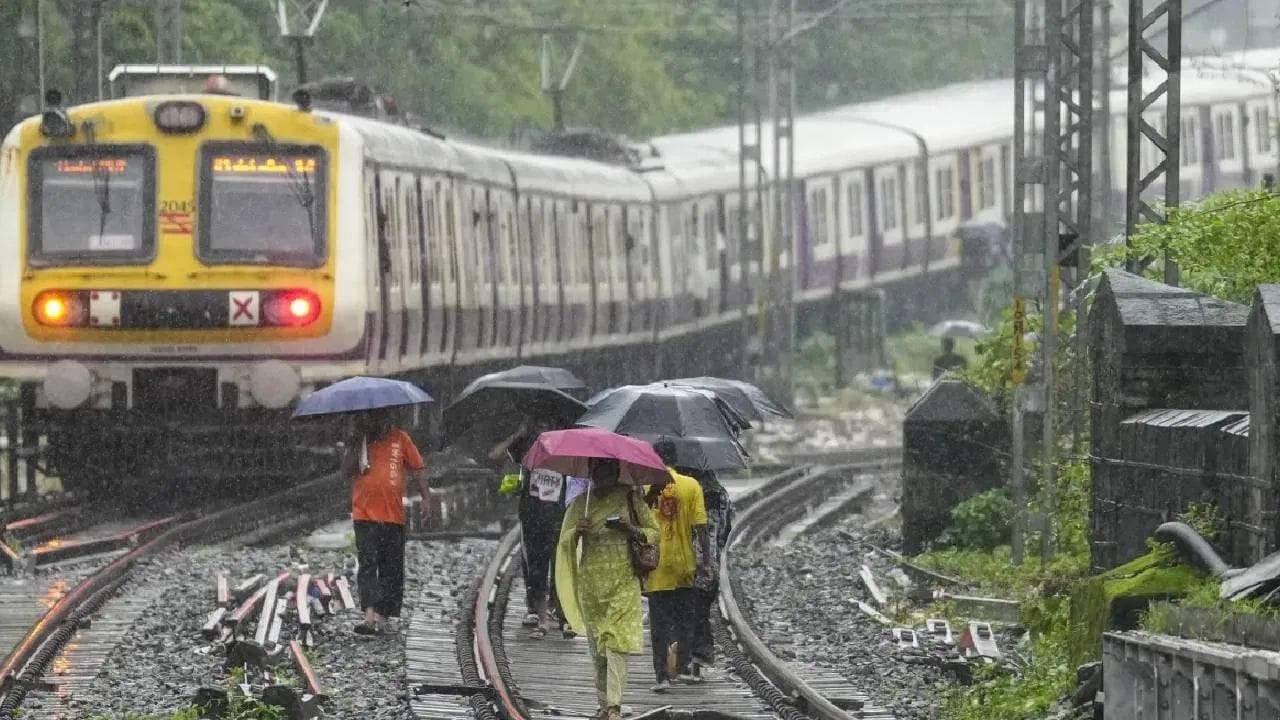
If the safety of different modes of transport is compared, both trains and airplanes are considered much safer than cars and buses. Train travel is the safest on a per-journey basis, while flying ranks first based on total distance covered.
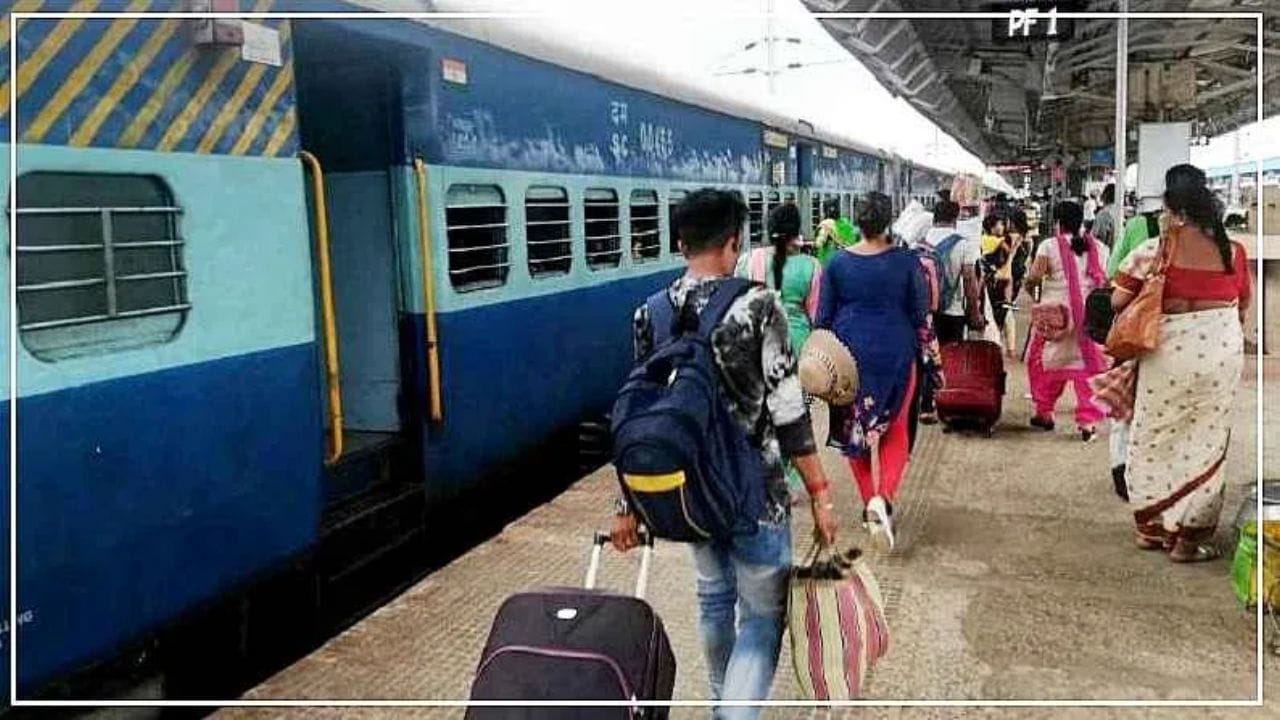
Due to all these safety standards and technical arrangements there is no need for passengers to fasten seat belts in the train coaches. Currently, the type of seats manufactured and designed by the railways are not at all suitable for installing seat belts.
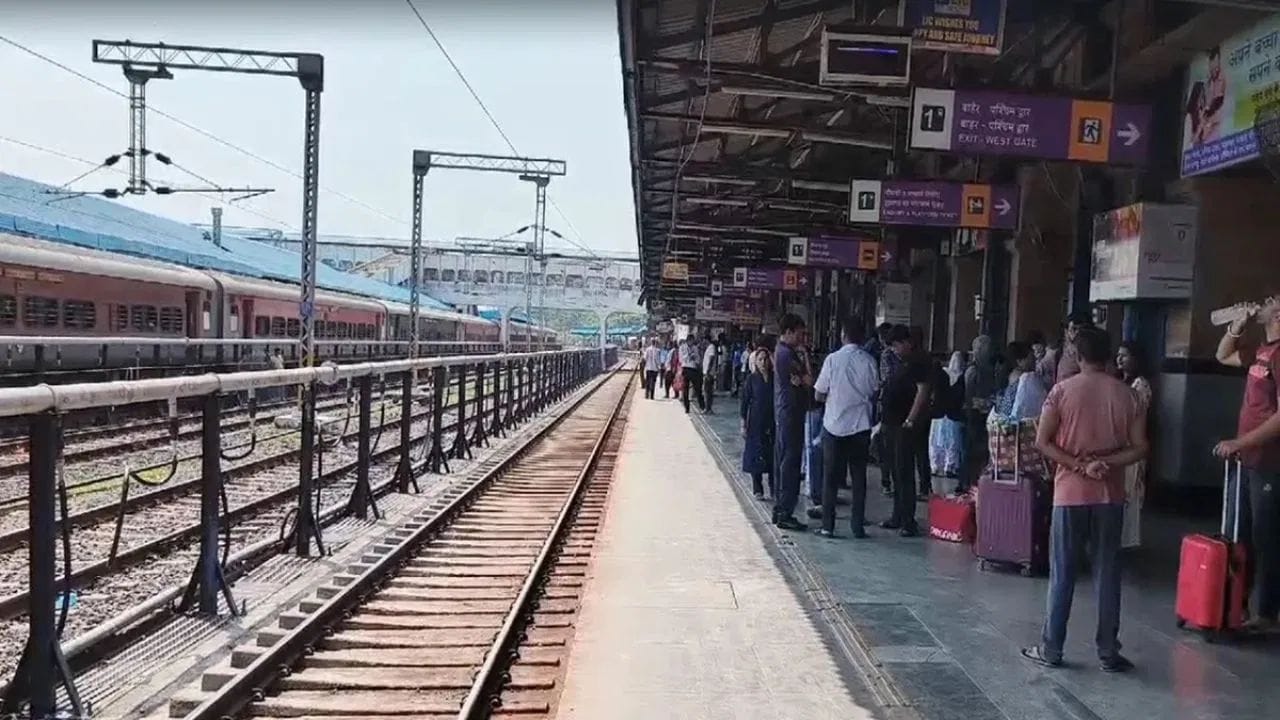
If seat belts are ever to be introduced in trains, it will require a complete overhaul of the entire seating arrangement and internal structure of the coaches. Doing so would incur huge financial cost and time to the Railways, which is not considered practical in view of the extremely low number of accidents.
Safety experts and railway regulators assess how well the costs of a system match the actual benefits. Because the risk of accidents in trains is negligible compared to road traffic, regulators have never considered it necessary to enforce it as a mandatory safety rule.