











Bristol has become the first city in Britain to ban Black Friday adverts for fast-fashion sales on council-owned advertising space, and independent clothing shops say the move is long overdue. The restrictions, approved by Bristol City Council in September 2026, cover billboards, digital screens and bus shelters.
Key points
- Bristol City Council voted 8-1 in September 2026 to restrict advertising for goods and services judged harmful to people or the planet.
- The rules apply to council-owned property, including billboards, digital screens and bus shelters, and now cover Black Friday fast-fashion adverts.
- Bristol Live reported on 26 November 2026 that it is the first city in Britain to take this step.
- Independent Bristol fashion shops including That Thing, Rhubarb Jumble, Maze and Yes Friends are boycotting Black Friday.
What exactly has Bristol banned?
Bristol City Council has banned adverts promoting fast-fashion sales over Black Friday on advertising space it owns. The policy, backed by councillors by eight votes to one in September 2026, is part of a wider drive to curb advertising for goods and services that could harm people or the planet.
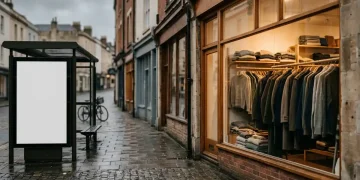
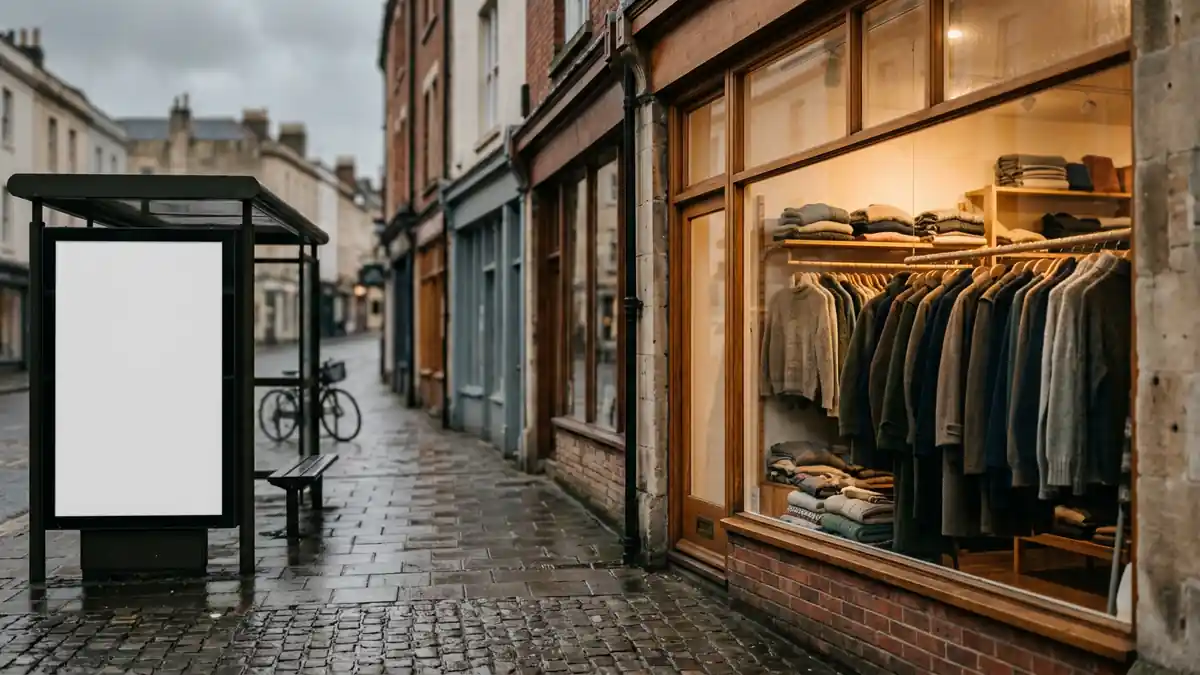
The restrictions apply to all council-owned property. That includes billboards, digital screens and bus shelters, the kind of high-visibility sites where retailers typically buy space for their biggest promotional weekend of the year. Private shop windows, social media and online advertising are not covered by the council’s powers as described by Bristol Live, which first reported how independent traders had reacted.
Why are independent fashion shops welcoming it?
Independent fashion retailers in Bristol say Black Friday has become a squeeze on small businesses rather than a boost. Several told Bristol Live they have stopped taking part, arguing that shoppers drift towards online deals and larger chains able to make deep reductions.
Joh Rindom, who has run the indie clothing and homewares shop That Thing in Stokes Croft for 18 years, said the council had shown “accountability”. She said November had become quieter for her business as Black Friday had grown more aggressive, and described that as “quite scary”. Her approach is to “buy well and buy less”.
Amy Hamilton, owner of vintage store Rhubarb Jumble on Gloucester Road, said her business does nothing for Black Friday because it does not want to compete with mainstream businesses. She said sales are down slightly year on year and that second-hand gifting is “not a second-rate option”. Hannah Holloway, managing director of Maze in Clifton, said the shop has never taken part and prefers fair, consistent prices throughout the year.
Sam Mabley, who runs the ethical brand Yes Friends in Bedminster and appeared on Dragons’ Den in September, is also boycotting the day. He said he is focused on keeping prices as affordable as possible all year round.
Background: why fast fashion is under scrutiny
Fast fashion refers to cheap, rapidly turned-over clothing that is designed to be bought in volume. Mr Mabley told Bristol Live the industry is known for modern slavery, toxic dyes in rivers and huge amounts of waste, which is the type of harm the council’s advertising policy is aimed at. The Black Friday weekend, with its steep discounts and urgency, is the moment when that model is promoted most heavily.
The ban is narrow in scope. It does not stop anyone selling fast fashion in Bristol and it does not stop shoppers buying it. What it does is remove one public-facing channel, and supporters see it as a way to start a wider conversation. Ms Hamilton said she hopes the phasing out of fast fashion will follow the path of plastic bags, though she accepted that took “a really long time”. Ms Holloway called the council’s decision an “interesting statement” about the kind of city Bristol wants to be.
What it means for you
For shoppers, the ban changes little in practice: Black Friday offers are still running online and in stores across the UK on 27 November 2026. What may change is what you see on the street in Bristol, where bus shelters and billboards will not carry fast-fashion sale adverts.
If you are shopping this weekend, the independent traders quoted above suggest a few questions worth asking: will you wear it for years, is the price fair outside the sale, and would second-hand or handmade do the job. Ms Rindom said better-made clothes are less likely to be returned. If you are also booking trips in the sales, see our report on Black Friday holiday scams.
What happens next?
Other councils are likely to watch Bristol’s experience closely. Whether other cities copy the policy will depend on how it is enforced and whether it is seen to change shopping habits. For now, the clearest evidence is anecdotal: independent shops reporting quieter Novembers and welcoming the council’s stance. For more on how British brands are faring commercially, read our coverage of Mulberry’s turnaround results and browse the latest in London Journal fashion.