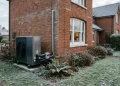

















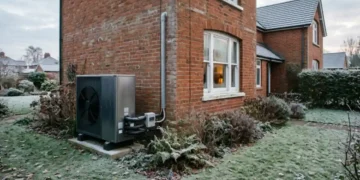




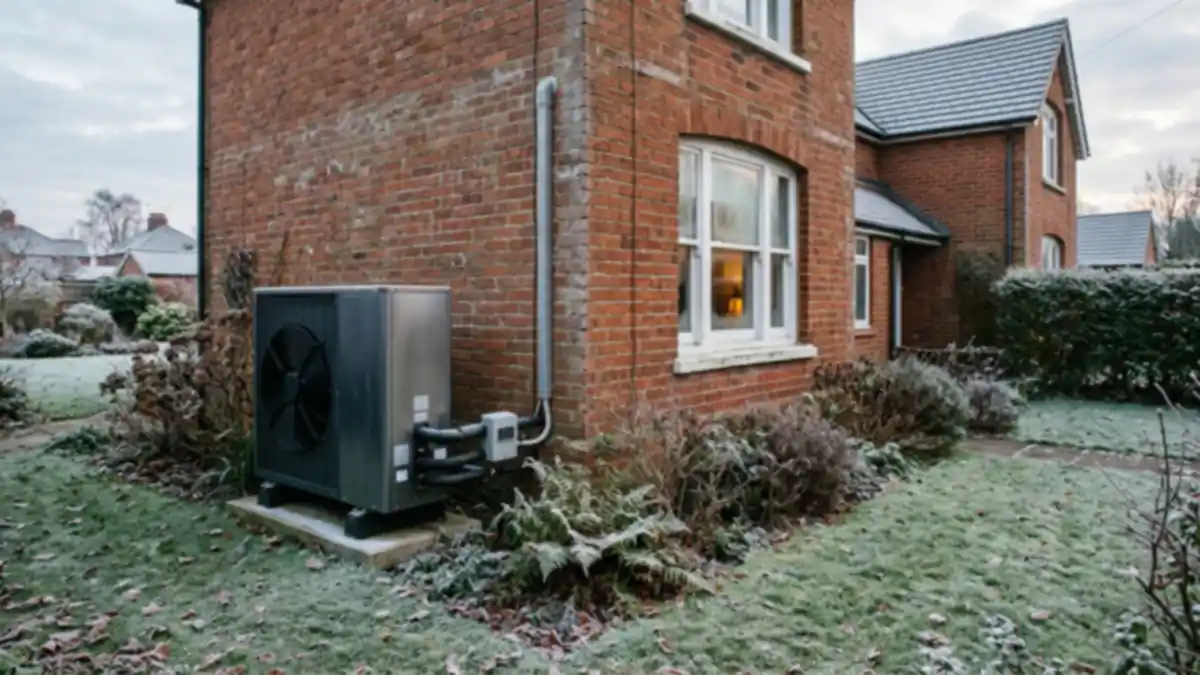
Applications for the government’s Boiler Upgrade Scheme hit a record of almost 14,300 in October 2026, as households facing soaring heating bills rushed to swap fossil-fuel boilers for heat pumps. The surge, confirmed in Department for Energy Security and Net Zero figures on 26 November, comes just as the Chancellor has capped future grant funding.
Key points
- Boiler Upgrade Scheme heat pump grant applications reached almost 14,300 in October 2026, a record, according to Nesta.
- Monthly applications have more than tripled since early summer, with mains-gas households now joining oil and LPG homes.
- Funding for 2027/28 is capped at £400 million a year, the same as 2026/27, rather than rising as planned before the Budget.
- The Department for Energy Security and Net Zero published the figures on 26 November 2026.
The Department for Energy Security and Net Zero (DESNZ) published the latest Boiler Upgrade Scheme statistics on 26 November 2026. The research foundation Nesta, reacting to the data, said the figures extended a steep rise seen since July.
Why are heat pump grant applications at a record high?
Applications are at a record because fossil-fuel prices have climbed all autumn while electricity bills have risen more modestly, according to Nesta. Andrew Sissons, the foundation’s director in sustainable future, said applications for a heat pump grant had “tripled in the last four months”.
He said the boom was initially driven by off-grid homes heated by oil and LPG, but “now mains gas households are joining them in big numbers”. With another large energy price cap rise due in January, he argued, families are realising the safest way out of volatile gas bills is “to get off gas altogether”. London Journal has reported on the forecast January price cap rise.
What is the Boiler Upgrade Scheme?
The Boiler Upgrade Scheme is a government capital grant that helps domestic and non-domestic buildings pay for low-carbon heating. DESNZ’s statistical release tracks vouchers applied for and redeemed, and the cost of installations. Nesta’s note says the grant is available for the next three financial years.
That is the background to the current argument. The grant is there to cut the upfront cost of a heat pump, long cited as a barrier to switching, and it is now being used at a rate not seen before. Home improvement firms and installers will watch the numbers closely, as will anyone weighing up a heating upgrade this winter.
What has the Chancellor changed on funding?
The Chancellor has capped Boiler Upgrade Scheme funding for 2027/28 at £400 million a year, the same level as 2026/27, instead of increasing it as planned before the Budget, according to Nesta’s notes to editors. In later years the grant will rise in line with inflation.
Nesta says the cap makes little sense while demand keeps breaking records. Mr Sissons said: “The Chancellor’s cap on grant funding for future years makes no sense when demand continues to break records – the government needs to urgently reverse this freeze and help families switch to clean heat.” He added that “there has never been a better time to get a heat pump, with the BUS grant available and installation costs falling”.
The picture is not one-sided, and a cap is not the same as a cut: the budget stays at £400 million a year. But if applications keep climbing at anything like the current pace, a fixed pot could be used up faster, which is why campaigners want it reversed. No reversal had been announced in the statements London Journal reviewed.
What it means for homeowners
If you are considering a heat pump, the grant is available now, so there is no need to wait. Get several quotes from certified installers, check that your home’s insulation suits a heat pump, and ask how the grant is applied. Questions worth asking include what the installer’s total price is after the grant, whether radiators or hot water cylinders need replacing, and what the running costs are likely to be compared with your current boiler. Most households will need to weigh up the installation cost against their heating bills, which look set to rise in January.
Insulation matters too. Our report on home improvement covers the wider picture, including problems with some publicly funded insulation work. Readers should check eligibility on GOV.UK before spending any money.
Nesta’s full statement is on its website.