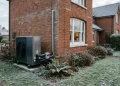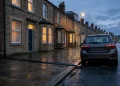



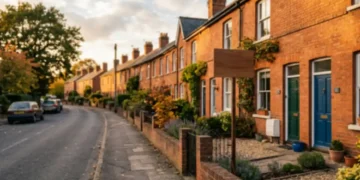


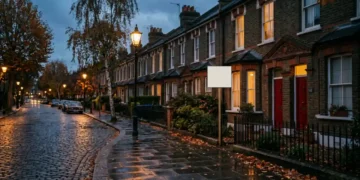













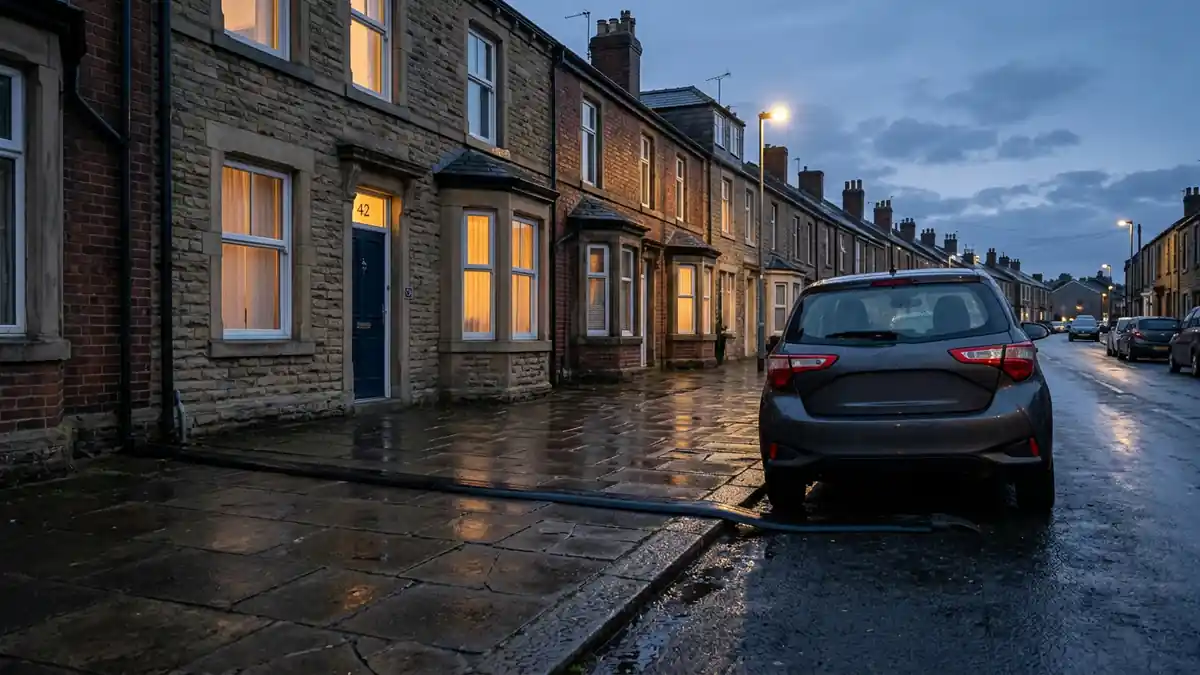
Only 31 grants have been paid out in a year under the government’s £500 chargepoint scheme for electric car drivers without a driveway, according to data seen by the RAC, raising fresh questions about whether the so-called “driveway divide” is being closed. The motoring organisation published its findings on 27 November 2026 and wants ministers to cut VAT on public charging.
Key points
- The RAC said on 27 November 2026 that just 31 on-street chargepoint grants were paid in a year.
- The grant is worth £500 and is only available until March 2027, for drivers who also install a cross-pavement cable channel.
- Around 9 million UK households have no off-street parking, the RAC said, citing the RAC Foundation.
- The RAC wants VAT on public charging cut from 20% to 5%, the rate normally charged on domestic electricity.
For drivers, the figure matters because home charging is by far the cheapest way to run an electric car. Those without a driveway are left choosing between a cable trailing across the pavement, which is a trip hazard, or relying on public chargers.
What is the on-street EV chargepoint grant?
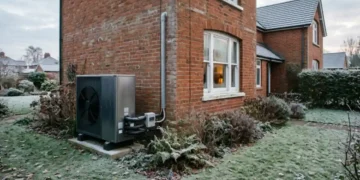
The scheme pays £500 towards the cost of buying and installing a home chargepoint for electric vehicle drivers who park on the street, provided they are also installing a cross-pavement cable channel, often called an EV gully. It is run by the Department for Transport and closes to applicants in March 2027, the RAC said.
The sums involved explain why uptake is low. According to the RAC, a chargepoint costs around £1,000, while a channel to carry the cable safely under the pavement costs around £1,300. Some councils also charge up to £185 a year in licence fees. The £500 grant therefore covers only a fraction of an outlay that can exceed £2,300 before any licence charge.
Why are so few drivers using it?
Cost is only part of the answer. The RAC said installing pavement channels remains a postcode lottery. Some councils, including Lambeth in London and Calderdale in West Yorkshire, expressly prohibit them, while others have not yet adopted a policy or are only now preparing trials.
There is also the practical gamble. A resident can pay for a channel and still find that someone else has parked outside their house. RAC head of policy Simon Williams said homeowners “still face substantial costs as well as the gamble that they might not even get a space in front of their own home”.
The government has made one part of the process easier: planning permission is no longer needed for an EV gully, the RAC said, although residents still need authorisation from their council. That change does not apply in England’s conservation areas. Councils assessing proposals look at underground utilities, to make sure a channel does not interfere with gas, electricity, water or telecoms infrastructure. Separately, the government has set aside a £25 million fund for English local authorities to help residents without driveways install channels, according to the RAC.
How big is the driveway divide?
The RAC’s research suggests it is a real brake on the switch to electric. Some 22% of people said not having a driveway puts them off going electric because they cannot charge cheaply at home. Other barriers cited were long waits at public chargers (43%) and the cost of charging (29%).
Demand for electric cars is rising regardless. The RAC cited Society of Motor Manufacturers and Traders figures showing new electric car registrations up 36% in September 2026 compared with 2025, with battery-electric cars taking a 28% share of new registrations. New petrol cars had a 37% share, and diesel just 4%.
Fuel prices are a big driver. In earlier RAC research for its Report on Motoring, carried out before the US/Iran war pushed up fuel costs, 44% of petrol and diesel drivers said they would seriously consider an electric car if fuel passed £2 a litre. Diesel topped £2 a litre for the first time in October, the RAC said, so the share is probably higher now. For the latest on pump costs, see London Journal’s report on petrol and diesel prices.
What should the government do about public charging VAT?
The RAC wants the government to cut VAT on public charging from 20% to 5%. Public chargepoints remain subject to the full rate, while the government removed the 5% VAT on household electricity bills for six months from October to help with the cost of living, according to the RAC. That widens the price gap between charging at home and charging in public.
“Clearly more needs to be done to make charging fairer and more accessible for all,” Mr Williams said. The RAC accepts that a lower rate would not make public charging as cheap as home charging, but argues it would bring costs down for people who have no alternative.
What it means for you
If you park on the street and are considering an electric car, check your council’s policy on cross-pavement channels before spending anything, because some authorities ban them outright. Compare the full cost, including any annual licence fee, against the £500 grant, and remember that it ends in March 2027. If a channel is not possible, public charging is the fallback, though VAT keeps it dearer than home electricity.
For more, see our motoring coverage. The RAC’s full statement is on its website.