
















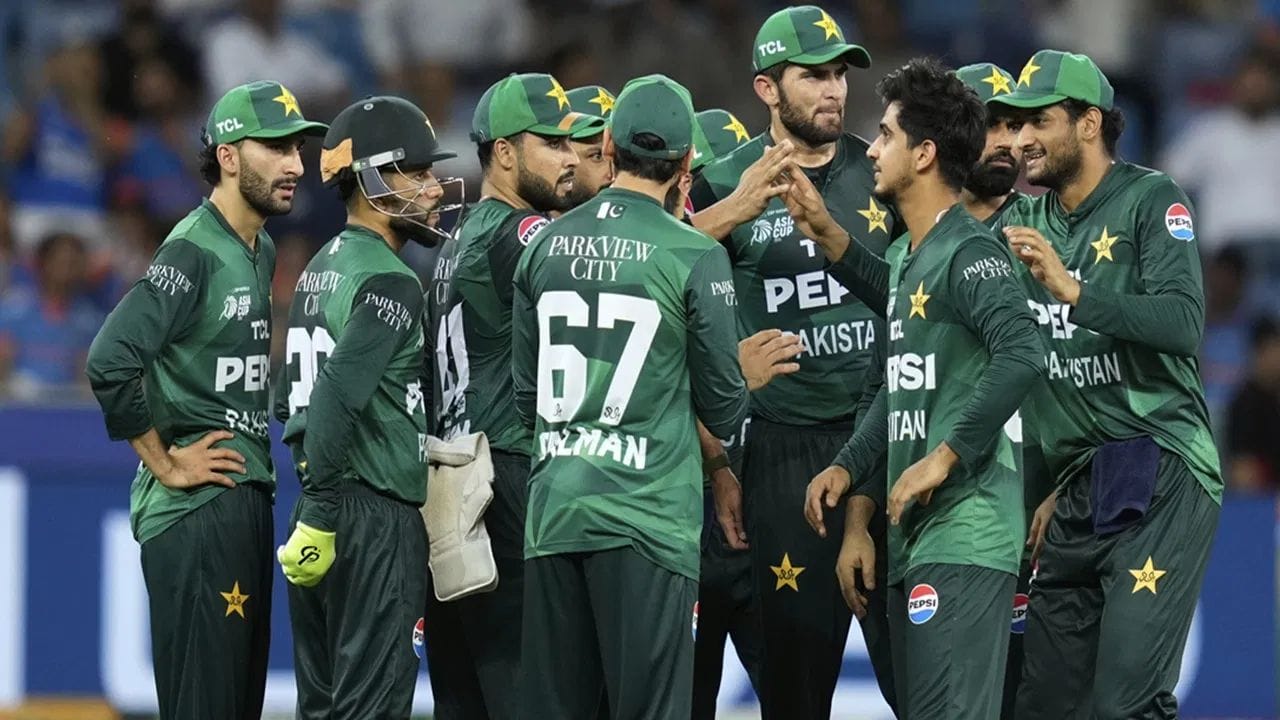
The 2026 T20 World Cup match between India and Pakistan has been put in jeopardy. Pakistan has announced to boycott the match to be held in Colombo on February 15. While announcing its participation in the tournament, the Pakistan government said it would not play against India. This decision has created a new dispute between India and Pakistan. While the ICC has asked Pakistan to reconsider its decision, talks of strict action against the PCB have intensified. But will this really happen? Has a team ever been punished like this before?
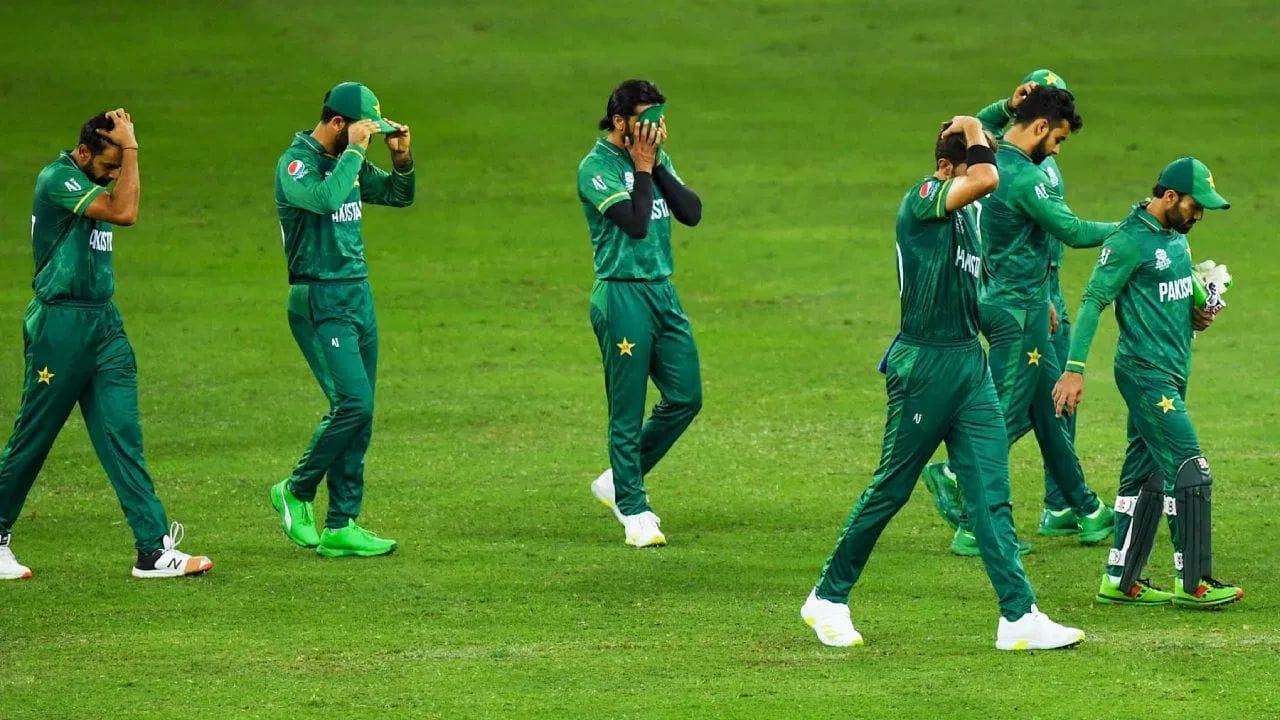
Starting with the first Men's World Cup in 1975, the ICC tournament has been running for more than 50 years. Over the years, there have been few cases of match boycotts. This means that this is not the first time that Pakistan has boycotted a match against India. Earlier, four matches in two different World Cups were affected by the same ban, which had a significant impact on the tournament.
The 1996 World Cup between India, Pakistan and Sri Lanka was the first such decision. Australia and West Indies boycotted their scheduled match in Sri Lanka. This was a time when the terrorist group LTTE was wreaking havoc in Sri Lanka, and a month before the World Cup, it bombed a bank in Colombo, killing 91 people. As a result, Australia and West Indies boycotted their match against Sri Lanka in Colombo, citing security concerns.
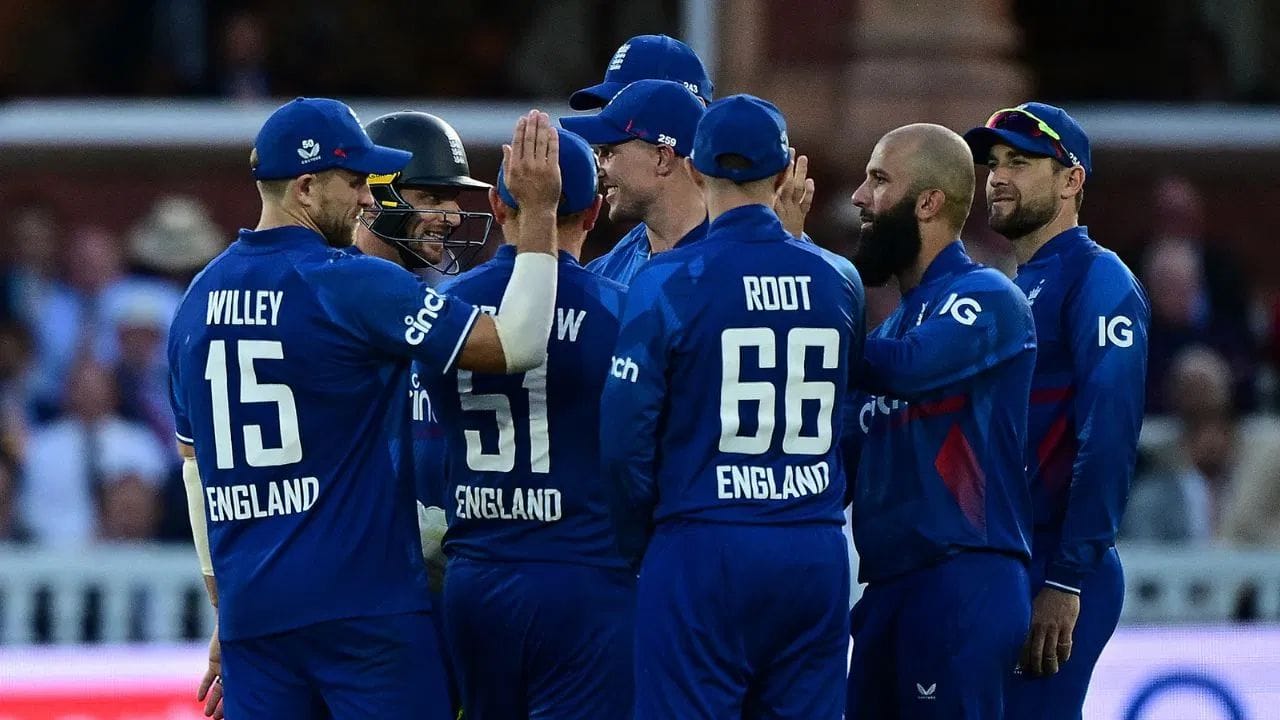
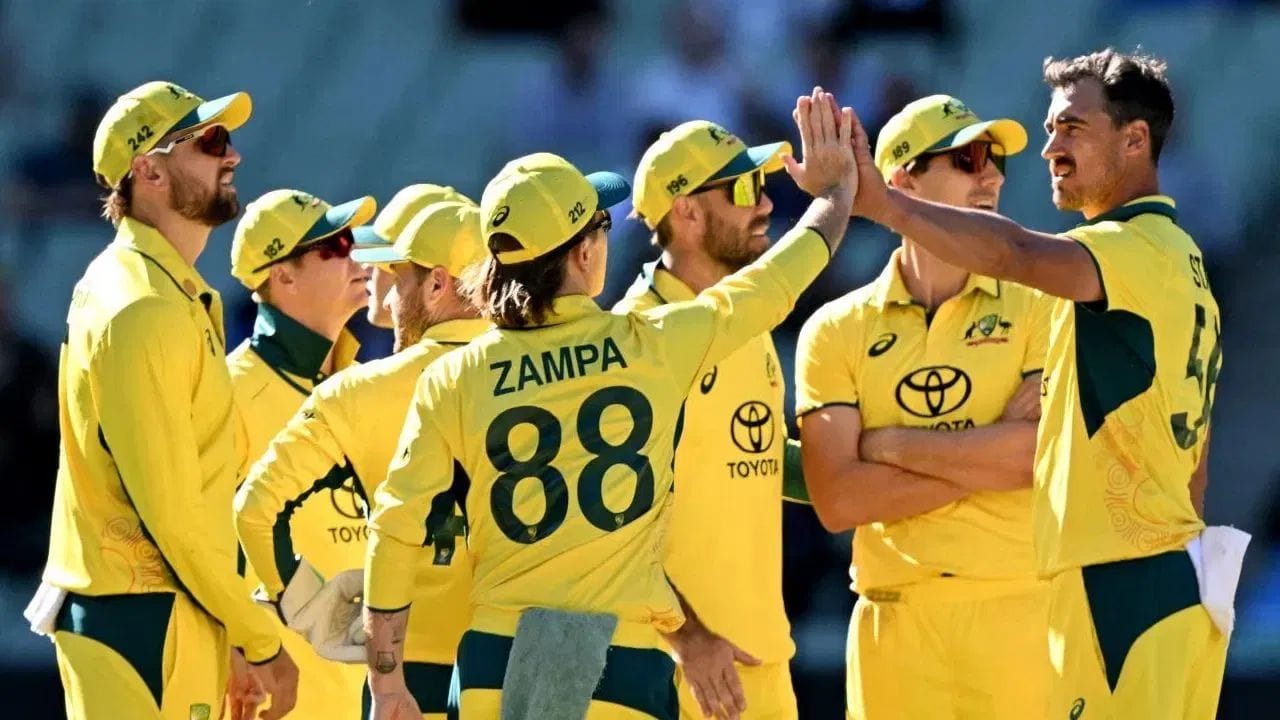
The ICC was forced to accept their demands. However, neither team received any punishment. It was decided that Australia and West Indies will give up their points and Sri Lanka will get two points each. Sri Lanka benefited from this, and coincidentally, won the title for the first time, defeating Australia in the final. Neither Australia nor West Indies were banned or fined.
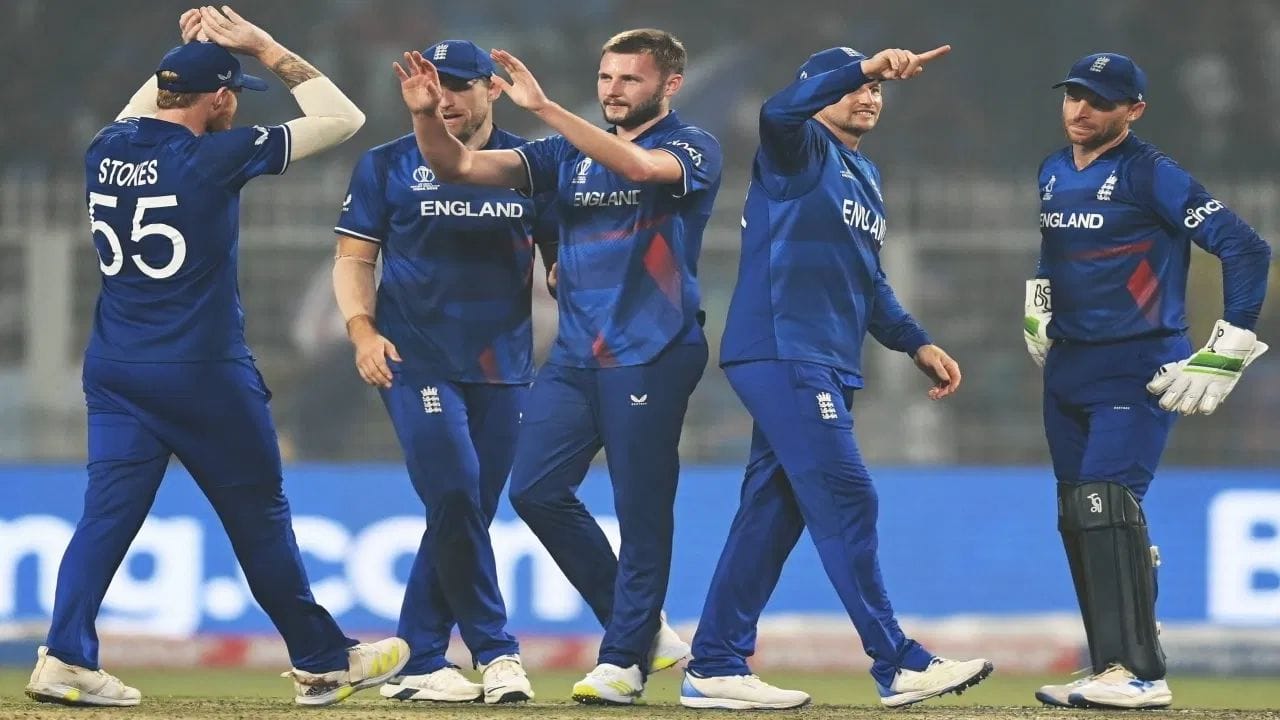
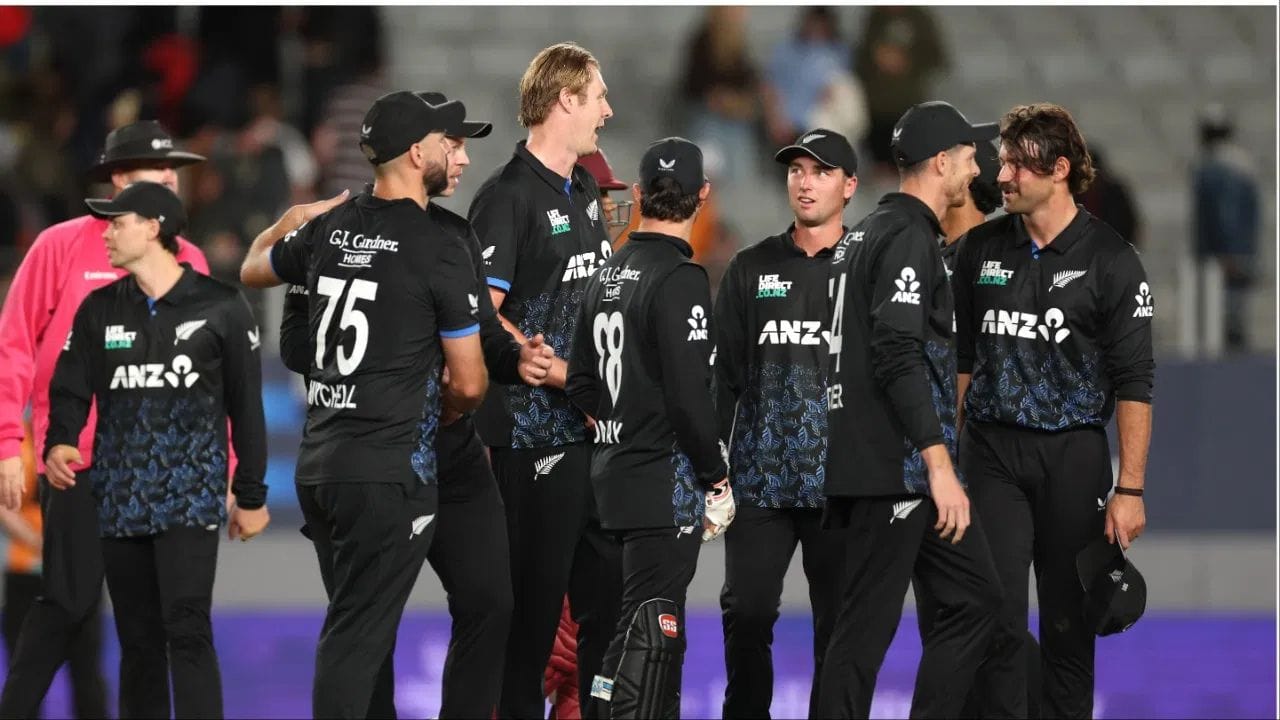
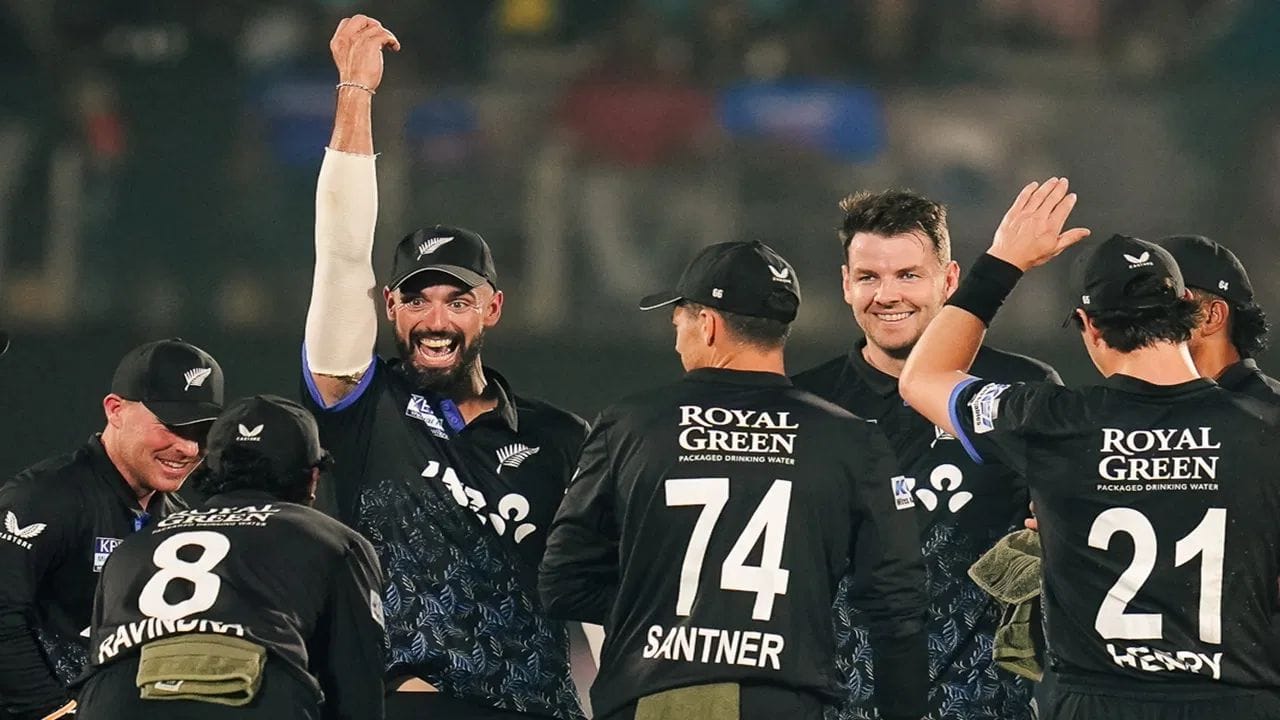
Then, eight years later, a similar situation arose during the 2003 World Cup. England and New Zealand boycotted their matches. England boycotted their scheduled match in Zimbabwe. Zimbabwe was facing political turmoil at the time, which pressured England to boycott the match. Finally, a day before the match, England refused to play citing security concerns. New Zealand also refused to play in Kenya citing security concerns. Both teams conceded two points each, but no further action was taken against them.
Now the question is why there is talk of punishment for boycotting Pakistan, and why are there so many possibilities? There is no straight answer, and there are many different aspects to it, but two points are most important. First, Pakistan refused to play the World Cup in India due to security concerns, forcing its matches to be held in Sri Lanka.
For this, he signed an agreement with ICC and BCCI. But now it is breaking this agreement and boycotting without any specific reason. Although the Pakistan government has given this order to the team, it has not given any reason. Therefore, Pakistan has no fundamental reason to boycott.
Another reason is financial. India-Pakistan matches are the biggest source of revenue in any ICC event. Because of this, Jio-Hotstar signed a $3 billion deal with the ICC for broadcast rights. This is the reason India and Pakistan are grouped together in every ICC event. It is believed that around 2 billion rupees in advertising revenue is at stake in the India-Pakistan T20 World Cup match.
Cancellation of this match would cause substantial loss to the broadcaster, which the ICC would then be unable to compensate. As a result, ICC's revenue will also decrease. In such a situation, the ICC can compensate by imposing a penalty on Pakistan. Furthermore, punishment will also be used to send a strong message to prevent such situations from arising in the future.
IND vs PAK Breaking News : Pakistan left the field before the match due to fear of defeat against Hindustan..?, click here to read
. Source