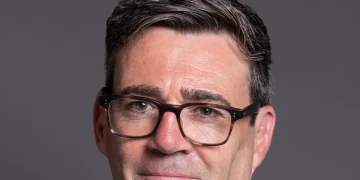




















EU students could pay far less to study in Britain after Andy Burnham’s government offered to cut tuition fees “significantly” in its Brexit reset talks, according to a draft UK statement seen by the Telegraph. The offer, made ahead of Friday’s UK-EU summit in Brussels, would end the international-rate fees of about £38,000 a year that EU undergraduates have faced since Brexit.
The draft, reported on 18 November 2026, gives two options: a significant reduction or full “equal treatment” with UK students, who pay £9,970 a year. Fees for EU students have been one of the main sticking points in the negotiations, and the offer is intended to break the deadlock before the deal is expected to be signed on 20 November.
Nothing is agreed yet. The language in the draft is bracketed and the Telegraph said it had asked the government and the EU for comment.
What would cheaper EU tuition fees mean for students?
Since Brexit, EU students have paid international rather than domestic fees. The draft says the two sides will “work towards a supplementing agreement” to the Trade and Cooperation Agreement covering reduced fees for EU students in the UK and, in return, for UK students in the EU.
That reciprocal element matters for British families. Any deal would not simply lower costs for arrivals; it could open cheaper study across the bloc for UK students too. The detail, including who qualifies and when it starts, has not been published, so no one should plan around it yet.
What else is on the table at the Brussels summit?
According to the Telegraph, Burnham will travel to Brussels to sign a deal to boost food and drink trade, cut paperwork on emissions and open a youth mobility scheme. The pact would see Britain align with swathes of EU rules and come under the jurisdiction of the European Court of Justice for the first time since Brexit.
The two sides have still to agree a cap on the Youth Experience Scheme, which would let people under 30 live, work and study for up to three years. Sources cited by the paper put the figure between 80,000 and 100,000, and it is likely to be settled when Burnham meets Ursula von der Leyen and António Costa. We looked at what the food element could mean for your shopping in our UK-EU food deal explainer.
The draft also explores easing post-Brexit curbs on touring musicians and sets a 2027 target for completing talks to join the EU electricity market, which the Telegraph says would require UK taxpayers to help fund infrastructure projects in poorer EU states. On electric vehicles, British officials proposed looser wording than the bloc wants on following its tariffs on Chinese imports, offering only to “aim” to protect European supply chains.
Why is Burnham reopening the Brexit debate?
In a speech to the Lord Mayor’s Banquet, as Holyrood reported, the prime minister said the UK had “lost more than it has gained” from Brexit. He cited the Office for Budget Responsibility’s estimate that leaving will reduce long-run productivity, and so the size of the economy, by around 4 per cent. He added that Britain could not turn its back on a potential deal worth up to 0.4 per cent of GDP. We covered the speech in our earlier report.
Opposition is already forming. Conservative deputy leader Alex Burghart said Burnham was “reopening a debate the country settled long ago”, while Boris Johnson warned against “wasting his premiership” on Europe.
Pressure is also coming from the other side. The BBC reported that David Lammy has urged Burnham to take Labour into the next election pledging to rejoin the EU, with a referendum on the terms. Burnham has said he will set out options for the long-term relationship next month, while ruling out major changes before the next election.
What happens next?
Talks are expected to go to the wire before Friday. Watch for three things: whether the final text keeps the fee commitment as an “equal treatment” pledge or a vaguer reduction, where the youth scheme cap lands, and whether the EU accepts the softer wording on Chinese electric vehicles.
For students and parents, the practical advice is to wait. Fees are set by individual universities and governments, and a “supplementing agreement” would still have to be negotiated after the summit. Expect a long process rather than lower fees for next autumn’s intake. More on the government’s agenda is in our politics coverage.