
















Comment: Labour MPs lining up against the Rosebank oilfield are not naive idealists. On the evidence the government itself has published, they have the stronger argument, and Andy Burnham should say no.
This is an opinion column. Its argument is simple: Jackdaw was a defensible decision, Rosebank is not, and the Prime Minister should stop treating the two as if they were the same choice.
The politics have moved fast. According to the Guardian, 75 Labour MPs have already put their names to a private letter opposing the field, organisers expect the total to reach around 100, and the letter is due to land on Mr Burnham’s desk within a fortnight. The same report says the energy secretary, Miatta Fahnbulleh, is understood to be leaning towards refusal, while the chancellor, John Healey, favours approval. That is a cabinet split, a backbench revolt and a quasi-judicial decision all arriving at once, in the first months of a new premiership.
Jackdaw and Rosebank are not the same project
Supporters of Rosebank like to say that approving it is simply the logical next step after Jackdaw. The details say otherwise. Gas began flowing from Jackdaw on Monday, and the BBC reports its operator, Adura, expects it to supply about 6% of UK gas production, or roughly 2% of total demand once imports are counted. Most of that gas will be burned in British homes and power stations this winter.
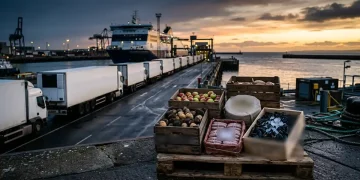
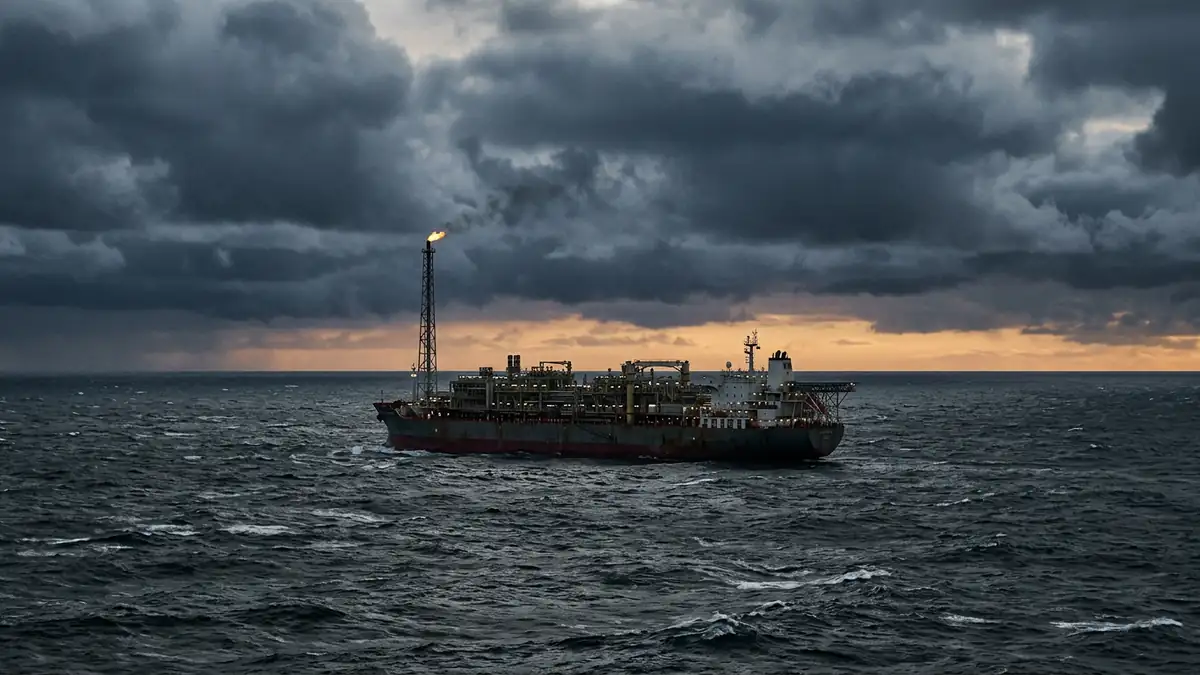
Rosebank is a different animal. It is Britain’s largest untapped oilfield, about 80 miles north-west of Shetland, holding an estimated 300 million to 500 million barrels. Its oil, the BBC notes, would be loaded on to tankers and sold on international markets. It would not be piped into British homes, and it would not be reserved for British drivers. It would be sold to whoever pays the going rate.
That matters because the strongest case for Jackdaw, energy security in a winter shadowed by the Iran war, simply does not carry over. Household gas and electricity bills are expected to rise by about a quarter when the price cap resets in January, according to Reuters. Rosebank will do nothing about that, and ministers have already said as much.
The government has already answered its own question
In August, in an interim response on the future of Britain’s gas supplies, the energy minister Michael Shanks wrote that any gas produced on the UK continental shelf “represents a tiny fraction of global demand and so will not lower prices nor materially boost supply”. If that is true of gas, it is truer still of oil that is priced and traded globally. The claim that Rosebank would ease the cost of living is not one the government’s own analysis supports.
What remains is the revenue and the jobs. Adura told the Guardian that Rosebank and Jackdaw together are expected to raise £1.4bn in tax before the end of this parliament, rising to £3.8bn by the end of the next. Those are real sums, and they should not be waved away. But they are spread across two fields and two parliaments, and they must be weighed against the cost to Britain’s credibility as a climate leader, which the rebels’ letter warns would be destroyed if drilling went ahead.
The jobs argument deserves more respect than campaigners usually give it. The GMB and Unite unions back the project, and Labour MPs such as Steve Yemm, the member for Mansfield, have told the BBC it is a test of whether Britain can support skilled North Sea work while meeting its climate obligations. That is a fair challenge. The answer, though, is not one more field with a 25-year life; it is a credible plan for the workforce that will be needed in offshore wind, grid and decommissioning for decades.
A decision Burnham cannot hide behind
The government describes the decision as quasi-judicial, which is to say it belongs to the energy secretary alone. That is constitutionally tidy and politically unconvincing. Ed Miliband, now foreign secretary, told the BBC on Monday he would “definitely not” resign if the field is approved, citing collective responsibility, despite having once called it “climate vandalism”. Nobody believes this is a technical matter that will be settled in a filing cabinet.
There is also a legal history here. The Court of Session ruled in January 2025 that the original consents for Jackdaw and Rosebank were granted unlawfully because the climate impact of burning the fuel had not been properly assessed. Any new approval will be judged against that standard. A government that rushes Rosebank through to calm investors may find itself back in court, offering investors anything but certainty.
Say no, and say what comes next
The honest position is this. Jackdaw could be justified as a domestic gas tie-back that helps keep the lights on through an unusually dangerous winter. Rosebank cannot be justified on the same grounds, because it will not lower bills, will not materially improve supply and will sell its product abroad.
Mr Burnham has spent his early weeks promising to do politics differently. Refusing Rosebank, and pairing that refusal with a funded plan for North Sea workers, would be a clear way to show it. Approving it to buy peace with the Treasury and the unions would hand his own backbenchers their first big victory, or their first big grievance. Either way, the rebels have read the evidence correctly. The Prime Minister should too.
For more on the wider energy picture, read our report on how Gulf tensions are feeding into Britain’s winter energy costs, and follow the latest from Westminster in our politics section.