



















The International Court of Justice ruled on 19 November 2026 that Myanmar committed genocide against the Rohingya, the first time the UN’s top court has found a state directly responsible for the crime. The UK has already expelled Myanmar’s defence attaché and is pressing for an emergency UN Security Council session.
What did the Myanmar genocide ruling decide?
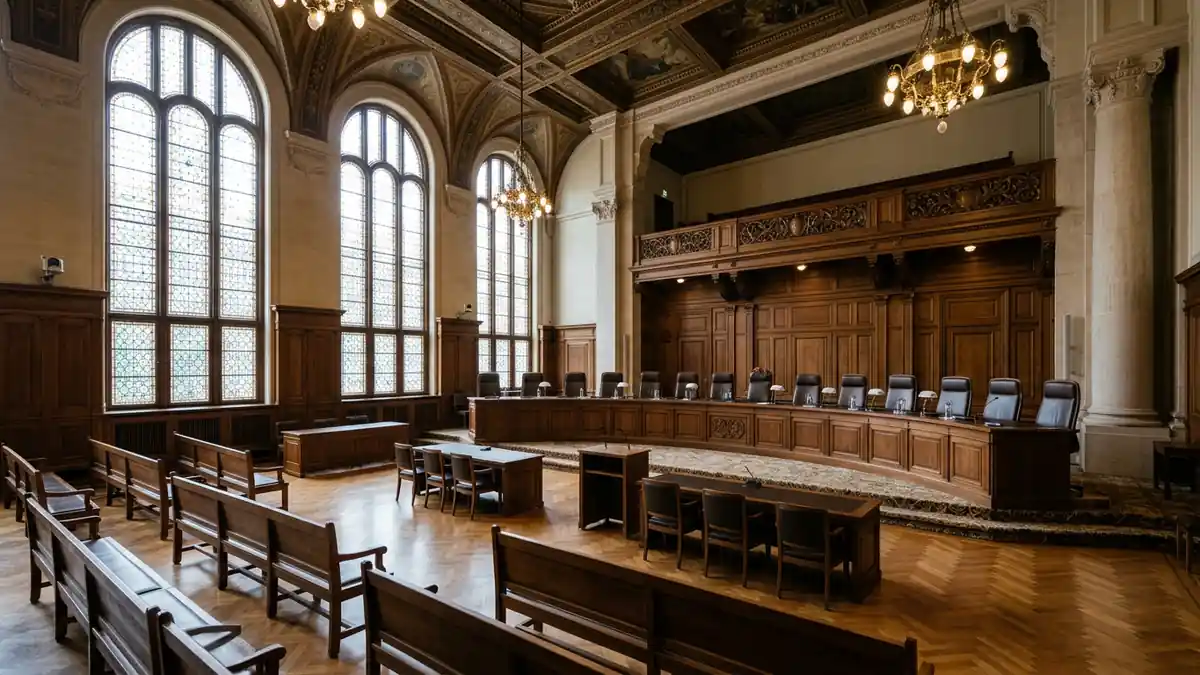
After a reading of nearly three hours in The Hague, court president Yuji Iwasawa said a majority of judges found that Myanmar “has committed genocide against the Rohingya group in northern Rakhine State”. The vote was nine to six, according to the BBC’s live coverage.
The judges concluded that the army’s 2017 “clearance operations” showed an intent to destroy a substantial part of the Rohingya population. They rejected Myanmar’s argument that it was simply fighting armed militants. The court estimated that around 10,000 Rohingya were killed, and noted that almost 400 villages were partly or wholly destroyed, UN News reported.
Judges also found that Myanmar failed to prevent and punish genocide, and that it breached an earlier order to preserve evidence. Some 700,000 Rohingya fled to Bangladesh during the 2017 campaign, and more than a million still live in camps there.
The case was brought by The Gambia in November 2019. Myanmar has consistently denied the allegations. Its representative at the court, Ko Ko Hlaing, told BBC Burmese “no comment” as he left.
What must Myanmar do now?
The court ordered Myanmar to stop any continuing violations, investigate and, where warranted, prosecute those suspected of involvement, and give guarantees that it will not happen again. It must also allow Rohingya to return safely and voluntarily, reunite families, and pay compensation.
The amount of compensation will be decided in a later phase. Myanmar has two years to report to the court on the steps it has taken. The judgment is final and without appeal, but the ICJ has no way to enforce it. As the BBC’s Anna Holligan put it, the court relies on the Security Council and political pressure.
It is also not a criminal trial. The ICJ rules on states, not individuals. Myanmar’s president, Min Aung Hlaing, who led the army in 2017, already faces a pending arrest warrant from the International Criminal Court, the Guardian noted.
How has the UK responded to the Myanmar genocide ruling?
Foreign Secretary Ed Miliband called the verdict a “landmark judgment” and said the UK “reaffirms our full support for the Court and the international legal order”, in a statement on GOV.UK. He announced that the Myanmar Defence Attaché is being expelled, that the chargé d’affaires is being summoned, and that Britain is calling urgently for a Security Council session. Further action will be set out “in the coming days”.
Pressure is cross-party. The co-chairs of the All-Party Parliamentary Group on Burma, Labour’s Rushanara Ali and the Conservative Jeremy Hunt, urged ministers to resume regular rounds of sanctions on the military, bring a Security Council resolution and significantly increase aid to Rohingya refugees. Campaigners at Burma Campaign UK made similar demands.
What it means for the UK and what happens next
The Security Council is the body with the power to enforce ICJ rulings, and Britain is now openly pressing it to act. Whether a resolution is tabled, and whether the council’s permanent members would back it, is not yet clear, so a binding enforcement step is far from guaranteed.
For UK readers the practical effects are most likely to appear in sanctions announcements, which campaigners and MPs have demanded, and in aid for the Rohingya camps in Bangladesh. The government has promised more detail within days.
There is also a wider legal ripple. The Guardian reported that governments were watching closely because the judgment sets a precedent for other genocide claims, including South Africa’s case against Israel over Gaza. Lawyer Philippe Sands KC told the BBC that the ruling does not decide that case but sets out the evidential standard future parties must meet. The Guardian added that a US reaction against ICJ judges has been predicted.
Why this ruling is historic
Earlier ICJ cases over the Balkan wars of the 1990s stopped short of finding a state directly responsible for genocide. Serbia was held to have failed to prevent the 1995 Srebrenica genocide, but not to have committed it. Thursday’s verdict is therefore the first of its kind in the court’s history.
For survivors, it is both vindication and a reminder of how far there is to go. “Today, we have finally been heard, and it is a profound relief,” Rohingya survivor Yousuf Ali told the Guardian, “but our fight is not over.”
We will follow how Britain turns its words into action. For more, see our World coverage and our Politics reporting on how Westminster responds.