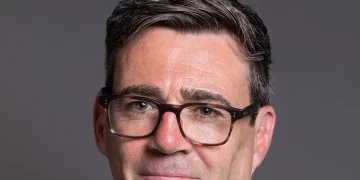
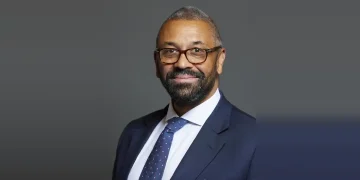
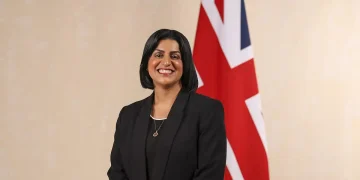














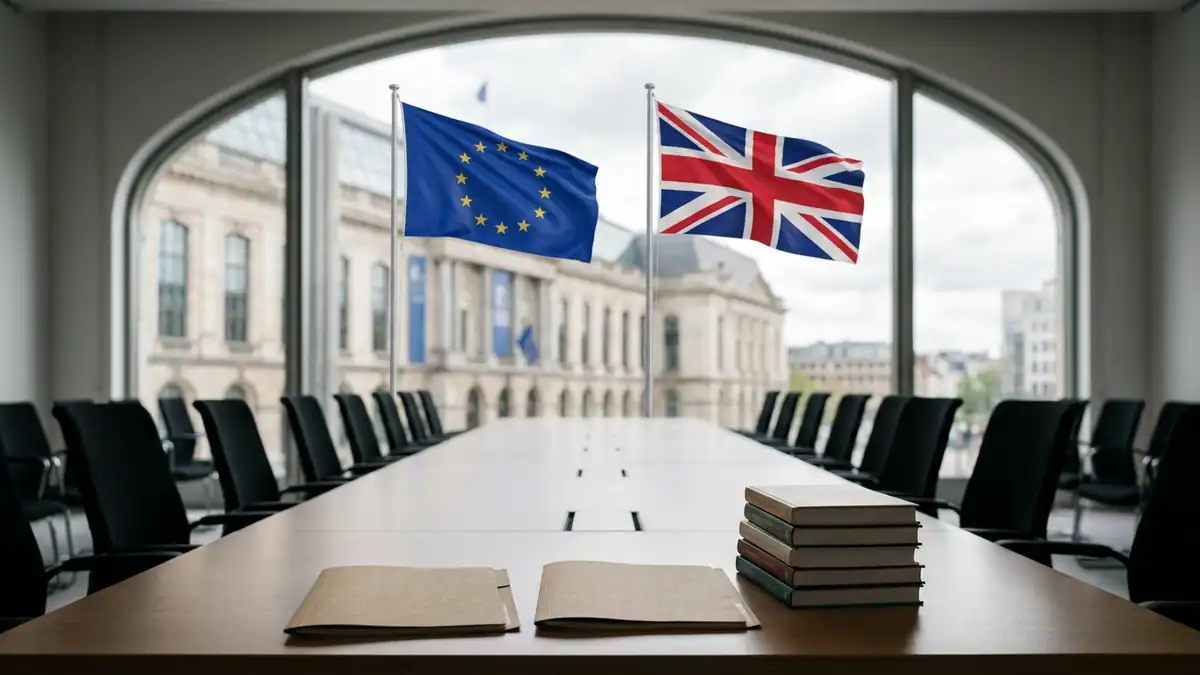
This is a comment column. The Burnham EU deal is a genuine win for shoppers, exporters and young people, but the prime minister is weakening it by insisting the student fees row is “separate” when Brussels plainly does not see it that way. He should say what he is trading, and why.
The Burnham EU deal was announced in Brussels on 20 November 2026, and the prime minister is right to call it a better outcome than the “hard Brexit we ended up with”. Yet the day ended with the two sides telling different stories about whether it can take effect at all. That muddle was avoidable, and it is the real news.
What does the Burnham EU deal actually deliver?
The substance is solid. According to the BBC’s live coverage, the agreement scraps most checks on British food exports in return for the UK following some EU rules, links the two carbon markets, and sets up a youth scheme. Burnham told the news conference the chancellor had confirmed it would add up to 0.5 per cent to GDP, about £17bn, which he called the “single biggest growth measure we could take in this parliament”.
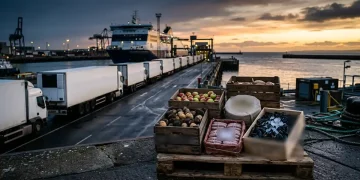
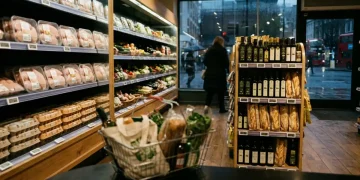
Those are the government’s numbers, and readers should treat them as a claim to be tested, not a fact. But the direction is right. Exporters have spent years filling in forms for goods that were once waved through. Burnham himself pointed to a salmon shipment costing £1,400 to export. Less paperwork means lower costs, and some of that should reach the weekly shop, as we set out in our UK-EU food deal explainer.
The youth deal is the part with a human face. The government’s own explainer says 100,000 people from each side, aged 18 to 31, will be able to live, work, study or travel for up to three years. Nobody can claim benefits or bring dependants. Britain’s young people are not asking for much, and this gives them a way to take it.
Why is the tuition fees row a problem for the deal?
Here is where the prime minister’s message breaks down. According to the Guardian, Downing Street said “the deal is done” and that tuition fees are a separate matter. EU sources, though, say the three agreements will not enter into force unless a fees settlement is reached, and a statement seen by the paper says the council and commission regard the four agreements as a package.
Both cannot be right. Burnham told the BBC’s Chris Mason there was “no confusion at all”, yet the European Council president was asked in the same room to clear up exactly that point, and answered by talking about Erasmus and working hard on problems. A deal that is “done” in London and conditional in Brussels is not done.
The gap matters because of the money. EU students currently pay international rates, which can be four or five times the domestic fee of £9,790 this academic year. The Guardian reports that two EU sources say the UK floated going as low as £12,000 in late talks, while Brussels wants equal treatment. We covered the earlier offer in our report on EU student fees.
Is Burnham right to keep fees out of the package?
Partly. There is a sound argument for holding the line. Universities are already stretched, and a blanket promise of domestic fees for every EU student would hand a subsidy to other countries’ young people at the expense of British taxpayers. The six-month window agreed on Friday is a sensible place to haggle over the price, and the reciprocal element, with British students gaining cheaper study in Europe, is worth having.
But holding a line is different from pretending there is no line. UK officials say the new food and agriculture arrangements will come into force in March 2028 whatever happens on fees. If that is true, the government should publish the text that proves it. If it is not, voters deserve to be told that cheaper cheese and easier exports may depend on a concession for students.
The government’s stance has a political cost too. Nigel Farage has accused Burnham of leading Britain into becoming a rule-taker, and told the BBC the prime minister has no “democratic mandate to do any of this”. A leader who is vague about the terms of his own bargain hands that argument a gift.
What happens next, and what it means for you
Burnham said a bill implementing the deal enters Parliament next week, so MPs will soon be able to test the claims for themselves. The student fee talks have up to six months to run. The emissions trading link is aimed at 2028, and the youth scheme is expected to open by January 2030 at the latest, so nothing changes overnight.
For families, the practical points are these:
- Do not expect cheaper EU food on the shelf next month. The food changes are not due until 2028.
- Young adults who want to live in Europe have a route in prospect, but not before the end of the decade at the latest. Fees and conditions will be published before signing.
- Parents of prospective EU students at UK universities should wait. Fees are unresolved.
My view is simple. Burnham has done something his predecessors dodged, and he deserves credit for getting a food, carbon and youth package over the line. He should now finish the job honestly. Tell the country that the fees question is part of the price of the deal, set out the cost of the concession, and let Parliament decide. Brexit was sold on straight talking. Its repair should be too. More comment is on our Opinion page.