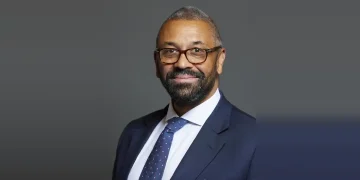

















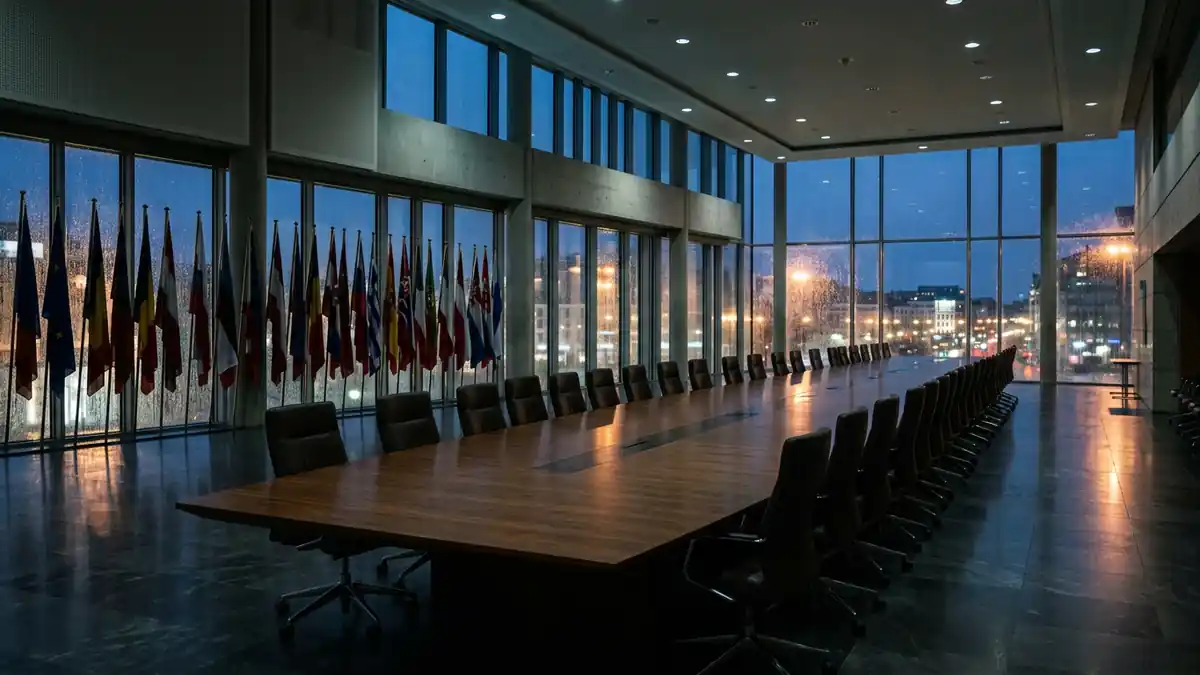
Britain will give Ukraine more than 1,000 long-range strike drones after Prime Minister Andy Burnham told the Coalition of the Willing summit in Berlin on 19 November 2026 that the UK would stand with Kyiv “for as long as it takes”. Within hours, Russia launched one of the heaviest barrages of the war.
The Ukraine drones package, worth £260 million, was the headline UK contribution at a gathering that drew leaders from across Europe. It came on the same day Donald Trump, Vladimir Putin and Xi Jinping held their first three-way talks in Shenzhen, and the contrast between the two meetings is the story of the week.
What did Britain promise Ukraine in Berlin?
According to the BBC, the government said the drones can fly up to 625 miles (1,000km) and carry heavier warheads, allowing Ukraine to hit military production sites behind the front line. The package also covers maritime, reconnaissance and logistics drones, and ministers say more than 80% of the money will be spent in the UK.
The announcement completes a run of pledges. Earlier in the week the Ministry of Defence set out a £240 million air defence package, including more than 1,000 short-range missiles and over a dozen radars.
In his speech, published on GOV.UK, Mr Burnham described a “huge show of support” and said there had never been a greater turnout for a Coalition of the Willing meeting.
What did the Coalition of the Willing agree on peace talks?
European leaders said they were ready to negotiate with Russia. “Europe has a clear and consistent and united negotiating position,” Mr Burnham said, while German Chancellor Friedrich Merz argued that Moscow’s “maximalist demands are not realistic”.
Mr Merz said Europe would accept talks on European security only alongside a serious discussion, and first a peace agreement, with Ukraine. He also rejected any carve-up of the continent into spheres of influence: “A ‘Yalta format’ will not bring peace”, he said, and he dismissed the Shenzhen meeting as largely a photo opportunity.
US envoy Jared Kushner struck a more upbeat note, telling reporters President Trump believed “peace is achievable” and wanted a deal “with Europe by his side”. Ukrainian President Volodymyr Zelensky was blunter about the Kremlin’s record: “Putin has always said no.”
Mr Putin, speaking after Shenzhen, said Russia was not against European involvement but wanted to know what Europe would bring to the table, and invited Europeans to Moscow. He also said he had discussed a possible ceasefire in some areas but dropped the idea after Ukraine’s strike on the Crimean Bridge, which we covered when the road span collapsed.
How heavy was Russia’s overnight attack on Ukraine?
Ukrainian Air Force spokesman Yurii Ihnat said Russia fired more than 100 missiles and about 400 drones overnight into 20 November, mainly at the energy system, calling it one of the most powerful attacks of the full-scale invasion. Those figures could not be independently verified, according to The Defense Post.
Kyiv Mayor Vitali Klitschko said three bridges over the Dnipro were damaged and urged residents not to drive. At least three water utility workers were killed and about 15 civilians injured, officials said. Ukrenergo reported power cuts across Lviv, Zakarpattia and Ivano-Frankivsk regions, and an official said a key 750kV substation in the west was hit.
Mr Putin had vowed that Russia’s response to the Crimean Bridge attack would be “considerably more painful”. Kyiv and its allies argue the Kremlin is trying to break Ukrainian resistance by leaving millions without electricity and water as winter sets in. The UK government itself says Ukraine has faced more than 2,000 attacks on its energy infrastructure.
What it means for the UK and what happens next
For British readers the effects are both political and practical. Politically, Mr Burnham has put the UK at the centre of Europe’s attempt to secure a seat in any US-led talks, which Moscow has so far resisted. Putin’s aide Yury Ushakov has said a “great deal” must happen first, suggesting several more rounds before any four-way format.
Financially, the drone package is spending at home: ministers say most of it will go to UK firms, including small businesses in Wales, Northern Ireland and Scotland. Longer term, any lasting settlement and security guarantees would shape defence spending and Nato commitments that British taxpayers ultimately fund.
The next signals to watch are whether Moscow accepts the invitation to talks in a format that includes Europe, whether the EU approves the extra €45bn proposed for Ukraine in 2027, and how Kyiv’s grid copes through the coldest months. For more on how Washington, Beijing and Moscow’s meeting fits in, read our explainer on the Shenzhen summit, and follow all our world news coverage.