
























Weight-loss drugs are now used in almost one in 10 households in Great Britain, according to research published on 19 November 2026, and the shift is already changing what lands in the nation’s shopping baskets just as the Christmas food shop begins. About 2.6 million adults were taking GLP-1 medication such as Wegovy and Mounjaro in August, up by roughly 700,000 since February.
The figures, from the consumer research firm Worldpanel by Numerator and first reported by the Guardian, show that 8.5% of homes now contain at least one person on weight-loss drugs, up from 6.3% in February. That means there are now more households with a GLP-1 user than households containing vegetarians and pescatarians combined, a striking measure of how quickly the medicines have moved from clinic to kitchen table.
Why are more people taking weight-loss drugs?
Two forces are driving the latest jump. The first is the arrival of tablets. Weight-loss pills such as Wegovy were approved in the UK in June, and a once-a-day version went on sale in high street pharmacies in July. Until then, patients had to inject themselves. Pills already account for 11.2% of GLP-1 users.
The second is men. They now make up 32% of people taking weight-loss medication, up from 23% in February, and the number of male users has almost doubled from 440,000 to 830,000 in nine months.
“In just six months, between February and August 2026, user numbers rose almost as much as they did in the whole of the previous year,” said Nishita Pattni, a senior consultant at Worldpanel by Numerator. “For many people, a daily pill is far easier than an injection, and with the surge in male users, we only expect the appeal of these drugs to grow.”
How weight-loss drugs are changing the weekly shop
The research, based on a survey of more than 9,600 households, suggests the effect on spending is already substantial. In the year after someone in the home started taking the drugs, households with a GLP-1 user collectively spent £1bn less on groceries than similar households would have been expected to. That works out at 415 million fewer items bought, or about £389 a year that no longer goes into the trolley.
The cuts are not spread evenly. Indulgence and impulse purchases have taken the biggest hit. Spending on alcohol has fallen 15% further in GLP-1 households than in homes where nobody uses the drugs, and crisps have dropped by a similar margin as users snack less.
Yet small treats survive. Frozen ready meals, which offer built-in portion control, have seen a 30% rise in the number sold to these households, and both volume and spending on hot chocolate and malt drinks have increased.
Weight-loss drugs and Christmas: a smaller, smarter festive table
The timing matters. This is the first Christmas in which GLP-1 users are numerous enough to show up in festive sales, and a separate survey suggests most have no intention of taking a break from treatment for the holidays.
Research by MMR Research and Toluna, reported by FoodNavigator on 18 November, found that about three quarters of UK users who started the drugs this year plan to keep their dose the same or increase it over Christmas. Only 7% said they would stop. Around half expect to buy less Christmas food than last year, and 47% expect to drink less alcohol.
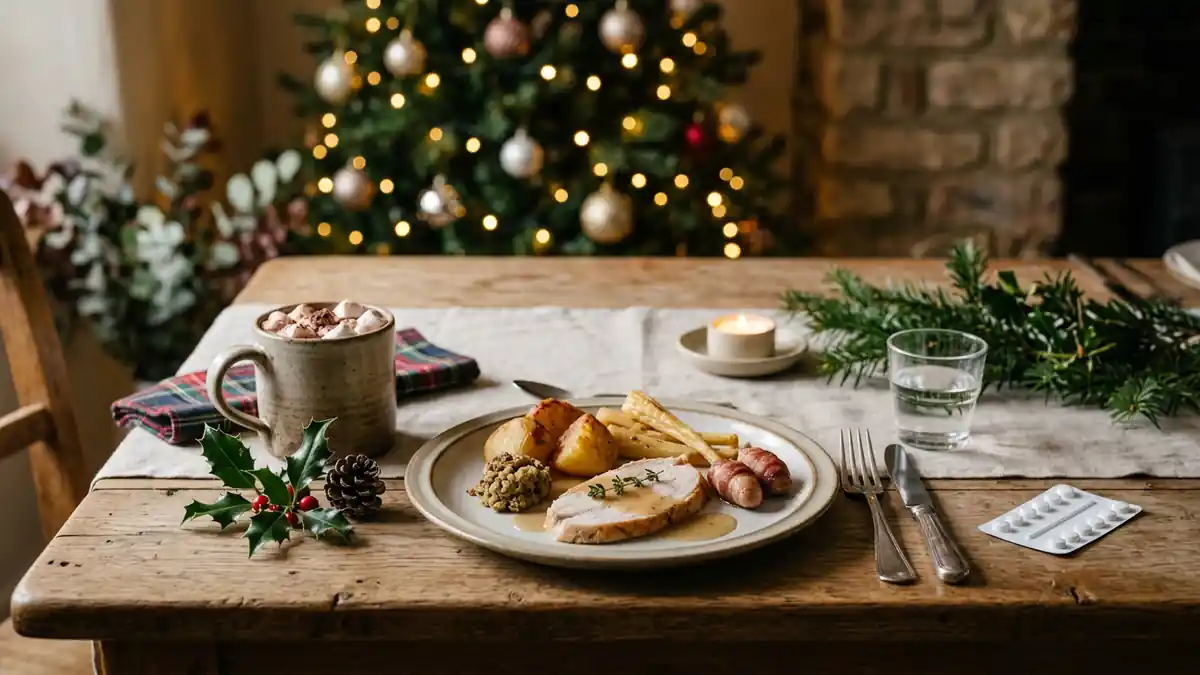
That does not mean a joyless December. Around three in five users expect to enjoy Christmas more than they did in 2025, and 84% said they would buy less festive food and drink overall but choose better-quality items. Andy Wardlaw, chief ideas officer at MMR Research, described the drugs as offering users the “gift of control”.
The bigger worry for many is other people. Some 38% said they were concerned about being encouraged to eat or drink after they had had enough, a larger share than those worried about the cost of food. More than one in five (22%) fear feeling left out of food and drink traditions.
What this means for you this Christmas
If you are hosting this year, the odds are rising that someone round your table is on a GLP-1 medicine, even if they have not mentioned it. Practical hosts are likely to find that smaller plates, a few quality treats rather than mountains of snacks, and no pressure to have seconds go down well with everyone, not just those on medication.
For shoppers, the shift may also show up on the shelves. Retailers are already battling over the basics, as our report on the Christmas veg price war between Aldi and Lidl showed, and Worldpanel’s figures suggest supermarkets will increasingly push premium, portion-controlled ranges alongside the traditional bumper packs. Households already braced for the January energy price cap rise may find smaller formats cut waste too.
Anyone considering weight-loss drugs should speak to a GP or pharmacist first: they are prescription medicines with side effects and are not suitable for everyone.
What happens next
Worldpanel expects GLP-1 use to pass 10% of households in Great Britain during 2027. “This is not a flash-in-the-pan trend, but a seismic change that requires retailers and manufacturers to rethink their strategies,” said Chantel Kennaugh, its head of public sector and nutrition.
For food brands, that means rethinking pack sizes, recipes and promotions built around volume. For the rest of us, it may simply mean a slightly different Christmas: a little less on the plate, a little more thought about what goes on it. More on how Britain lives, eats and spends is in our Lifestyle section.