












Airbnb’s new house rules came into force on 20 November 2026, and they mean hosts can no longer expect guests to wash up, strip the beds or take the bins off the property. The changes apply to every stay booked from today, including in the UK, and hosts warn that the cost of extra cleaning could end up on your bill.
The new Airbnb house rules limit what a host can reasonably ask of a guest at checkout. According to the BBC, hosts should now not normally ask guests to do the washing up, but they can appeal to Airbnb if they have a compelling reason for an extra rule.
What are Airbnb’s new house rules?
Under the policy, which Airbnb has published as a community policy, house rules must be shown in a designated section of the listing at the time of booking. Hosts may not add new rules by message, by signs in the home or in person once a guest has booked.
Hosts choose from seven standard rules. According to The Independent, these cover whether guests must lock up at checkout, the maximum number of guests, quiet hours, and whether pets, events, photography or smoking are allowed. Anything extra goes under an “Additional Rules” heading and must be reasonable.
The rules also bar hosts from asking guests to sign separate contracts, from asking for government ID except where the law requires it or in limited other circumstances, and from imposing fines or penalties on guests.
What can hosts still ask guests to do at checkout?
Airbnb’s guidance, as set out by the BBC and The Independent, draws a line between tidying and cleaning:
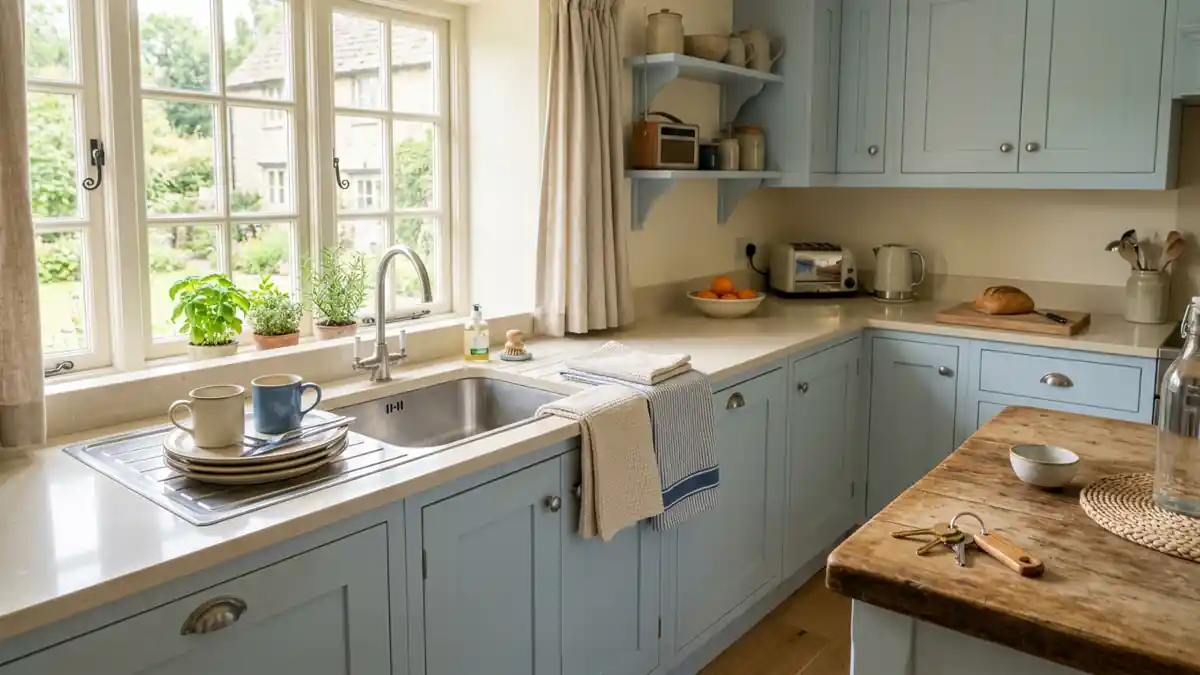
- Dishes: guests can be asked to put used dishes in the sink, but not to wash and put them away.
- Laundry: guests can be asked to gather used towels, but not to strip beds or start a wash.
- Rubbish: guests can be asked to sort rubbish and recycling into designated indoor bins, but not to take it off the property.
- Utilities: guests can be asked to switch off air conditioning when they leave, but not to avoid using an amenity listed in the advert.
Airbnb says it may grant exceptions where local context justifies them. Its own examples are limiting shower time during drought restrictions, or using an animal-proof bin in bear country.
Will Airbnb prices go up because of the new rules?
Some hosts say so. Lisa Clewes, who runs a Welsh holiday let, told the BBC she was “horrified” at the state of her three-bedroom property after a dinner party, and that a turnaround typically takes cleaners four hours. She said more mess could mean extra cleaners and higher costs, which may be passed to customers.
Edinburgh host Fiona Venter called the rules “nonsense” and said she would not accept bookings if guests refused to take their rubbish away. She also questioned why tidy guests should pay more for those who leave a mess.
Guests see it differently. Jessica Newhook told the BBC that a family reunion booking in Florida came with rules about everything and a $250 (£187) cleaning fee, and “it was not relaxing at all”. The Independent reports that a Change.org petition backing hosts’ right to ask guests to wash up had passed 31,000 signatures by 20 November.
The row sits on top of existing host frustration at Airbnb’s higher commission rates last year, the BBC notes, with many hosts now investing in their own websites to attract direct bookings.
What it means for you if you are booking a stay
If you book on or after 20 November 2026, you should find the rules in one clear section of the listing, and the Independent says they will also appear in your Trips tab and in reservation reminders. Existing bookings made before today are not covered.
- Read the “House rules” and “Additional Rules” sections before you pay, because hosts cannot add rules afterwards.
- Compare the cleaning fee as well as the nightly rate, since that is where hosts may recoup costs.
- Expect to leave the place tidy, with used dishes in the sink and towels gathered, but not to do a cleaner’s job.
- Remember that you can still be held responsible for damage under Airbnb’s other policies.
Planning more trips? Our travel coverage follows the rule changes affecting UK holidaymakers, including the Eurotunnel biometric checks due at the border.
What happens next for hosts
Airbnb has begun reviewing listings and will email hosts “who need to take action”, the BBC reports. A host can appeal to have an extra rule approved. If a rule is not approved and the host keeps it anyway, Airbnb will flag it to guests on the listing page, with a message such as “includes cleaning tasks”. Airbnb’s policy adds that persistent breaches can also lead to reduced search visibility.
Airbnb has said it “could have done a better job explaining why and how” it was making the changes, and has since updated its hosting guidance. For more of the day’s headlines, see our UK News section.