



















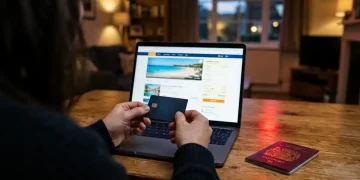




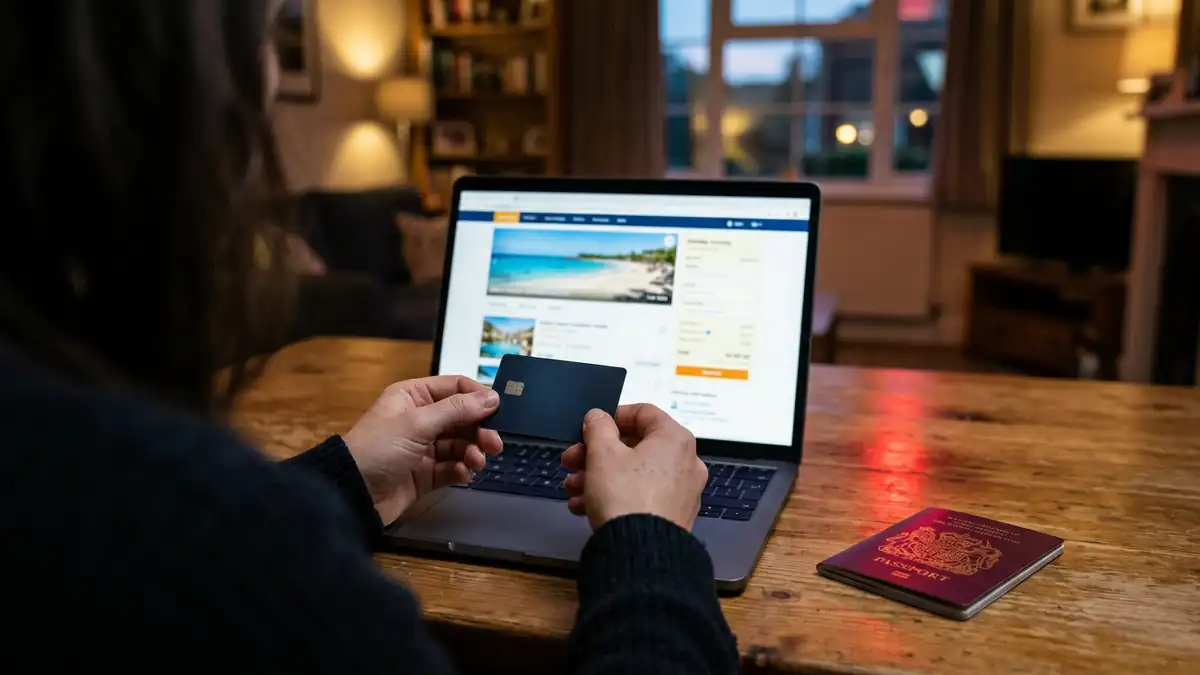
Black Friday holiday scams are the target of a fresh warning from the UK Civil Aviation Authority, which on 20 November 2026 urged travellers to beware of fake getaway deals, some enhanced with AI, in the run-up to Black Friday on 27 November and Travel Tuesday on 1 December. The regulator says booking a flight-inclusive package that is ATOL protected and paying by credit card are the simplest ways to stay safe.
The alert comes as millions of Britons prepare to hunt for bargain breaks. According to the CAA, UK consumers spent about £6.4 billion online during last year’s Black Friday sales period, and travellers are expected to spend around half a billion pounds on Travel Tuesday alone. The industry estimates that day generates roughly 3.5 times more bookings than an average day.
That rush is exactly what criminals are counting on. In 2024, UK customers lost a total of £11m to holiday fraud, according to City of London Police figures.
How do AI holiday scams work?
The warning singles out a newer threat: scam adverts and websites polished with artificial intelligence so that they look indistinguishable from the real thing.
“Criminals are using sophisticated websites, adverts and social media posts, sometimes enhanced by AI technology, to make fake holiday offers appear genuine,” said Chief Superintendent Amanda Wolf, head of Report Fraud operations at City of London Police. “Victims can end up paying for flights, accommodation or package holidays that simply do not exist.”
Tim Johnson, consumer director at the CAA, said online fraud “continues to be a growing menace for UK shoppers”, adding that in travel “consumers lose millions of pounds every year to criminals”.
How to spot a fake travel website
The CAA has published a checklist for anyone browsing deals over the next fortnight. Its main points:
- Check the web address carefully for misspellings, odd domain endings or extra characters.
- Do not assume a slick design or a padlock symbol means a company is genuine.
- Compare the price with the same or a similar trip elsewhere. A cheaper price is not proof of fraud, but an unusually large gap is a warning sign, and a “limited-time” countdown should not rush you.
- Be wary of any request to pay by bank transfer, into a personal account, or under pressure to act quickly.
- Research the company, including reviews, contact details and any accreditation it claims.
- Watch for unsolicited calls offering flights soon after you have searched a site and entered your phone number.
- Do not click links in unexpected emails, texts or social media adverts; type the travel firm’s address yourself.
- Read the terms, including cancellation policies, before paying, and check ATOL’s list of websites known to have made false protection claims.
If something does not feel right, the regulator’s advice is simple: stop the booking and seek advice before handing over any money.
Is my holiday ATOL protected?
Any company selling flight-inclusive package holidays in the UK must hold an Air Travel Organiser’s Licence (ATOL). If an ATOL holder stops trading, the scheme protects customers from being stranded abroad or losing their money. You should receive an ATOL certificate when you book, setting out what is covered.
You can check both the company and the holiday using the ATOL checker, which the CAA says was used more than 35,000 times in the last year.
Two further layers of protection are worth having. Paying by credit card may give you extra cover under Section 75 of the Consumer Credit Act, meaning the card provider may refund purchases between £100 and £30,000 if something goes wrong. Travel insurance can cover cancellations, missed transport, medical emergencies and lost or stolen belongings, though policies vary, so check the small print.
What to do if you have been scammed
If you think you have fallen victim to holiday fraud, contact your bank immediately. Then report it to Report Fraud online at reportfraud.police.uk or by calling 0300 123 2040. In Scotland, contact Police Scotland on 101.
What this means for your Black Friday holiday booking
Genuine bargains will be out there over the next fortnight, and there is no need to avoid the sales. But the safest approach is to decide in advance which operators you trust, go to their websites directly, and treat any deal that reaches you through an advert or message with suspicion until you have checked it.
It has already been a busy month for travellers’ rights, from the US flight disruption that hit UK passengers to Airbnb’s new house rules, which took effect on 20 November. Before you book that winter sun or summer 2027 break, a few minutes of checking could save you far more than any Black Friday discount. For more travel news and advice, visit our Travel section.