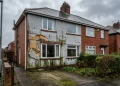








Faulty insulation repairs have been completed in fewer than one in ten of the homes left with botched external wall insulation under the government’s ECO schemes, the energy minister has admitted. Martin McCluskey told MPs on 18 November 2026 that work had been finished at 2,227 of the 24,600 homes affected, leaving thousands of households facing a second winter with damp, mould and damaged walls.
The figures, given to the Commons Energy Security and Net Zero Committee and first reported by the BBC, are the latest measure of what MPs have called one of the worst failures of a government home-improvement programme in years. The minister said he was shocked by the failures, admitted the schemes “didn’t have correct oversight” and promised households would not pay for repairs.
What went wrong with ECO4 insulation?
The Energy Company Obligation is meant to cut fuel poverty by making energy suppliers fund upgrades in poorly insulated homes, often for low-income households. The two schemes at the centre of the scandal are ECO4, launched in 2022, and the Great British Insulation Scheme (GBIS), which opened in 2023 and has since closed. According to the BBC, more than 300,000 homes have had heat pumps, solar panels or insulation fitted under the £4bn ECO4 scheme, which is due to close in December.
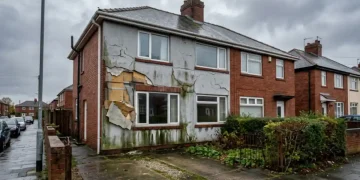
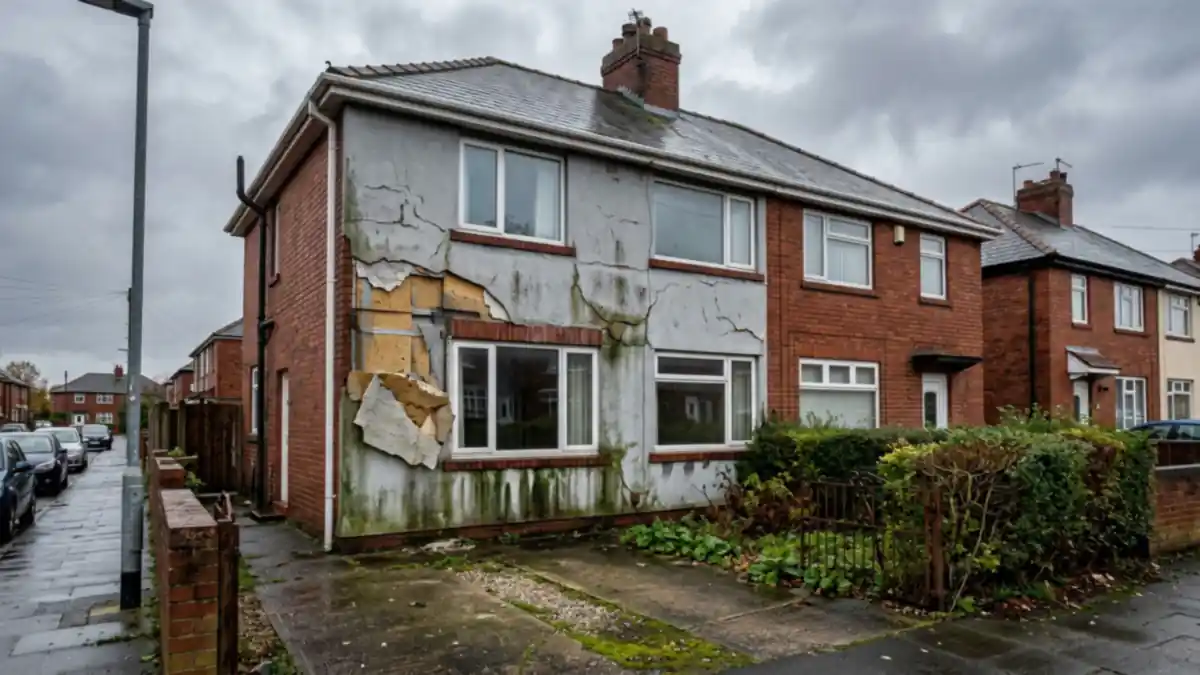
Problems surfaced in October 2024, when audits found widespread poor workmanship. The Commons Public Accounts Committee later described a “clear and catastrophic failure”. In its January 2026 report, the committee said an estimated 98% of external wall insulation fitted under ECO4 and GBIS up to mid-January 2025 had major defects, affecting between 22,000 and 23,000 homes, alongside 29% of internal wall insulation. Around 6% of external installations posed immediate health and safety risks such as inadequate ventilation.
The committee was scathing about how long it took to act and warned that it should normally cost between £250 and £18,000 to correct a faulty installation if caught early, but that in the worst case it knew of, fixing the defects and resulting damage had cost more than £250,000.
Who is responsible for fixing faulty insulation?
The latest evidence session exposed continuing tension over who is to blame. Bill Esterson, the Labour MP who chairs the energy committee, told the BBC he was concerned that Ofgem had “failed to identify whether work had been carried out or completed to a decent standard”. Asked whether he had confidence in the regulator, Mr McCluskey did not answer directly. “There’s clearly been failures in the system. We’re designing a system now,” he said.
Ofgem rejected the suggestion that quality checks were its job. “It is unacceptable that households have been left with substandard ECO4 work. Ofgem was not responsible for assuring the quality of installations,” a spokesperson said, adding that the Department for Energy Security and Net Zero was responsible for the design and outcomes of ECO. TrustMark, the government-endorsed quality scheme, said it was working to fix “the unacceptable problems left by this faulty external wall insulation scheme”.
Behind the statistics are people like Ken Palfrey, a 66-year-old retired builder from Birmingham who told the BBC his 2024 installation was “botched”, damaging window sills and leaving damp and mould on his walls. After two years of complaints, he said, his case was referred this month to the National Energy Foundation, a charity funded by energy suppliers to repair homes where the installer has gone out of business. “It’s been an absolute nightmare,” he said.
Campaigners warn the true picture is wider still. Jonathan Bean of Fuel Poverty Action said faulty upgrades across a range of schemes could be affecting as many as 100,000 homes, and criticised the decision to leave internal wall insulation out of the government’s “find and fix” programme, calling defective internal insulation “a ticking time bomb in homes”.
What it means for you if your home had ECO insulation
If you had internal or external wall insulation fitted through ECO4 or GBIS, official government guidance on poor quality wall insulation says Ofgem is writing to all affected properties. Every home with external wall insulation will be offered a free home check by qualified professionals, and you may be contacted by Ofgem, TrustMark or a certification body. If the work is faulty, the original installer will be asked to fix it, and you should not be asked to pay anything.
Watch out for scams. Every genuine organisation involved will quote your Unique Measure Reference, which appears in your Ofgem letter; if someone cannot, treat the contact with suspicion. Households with concerns, including those with internal wall insulation, can contact Ofgem’s ECO helpline on 0808 169 4447 (Monday to Friday, 9.30am to 4.30pm), by email at [email protected], or through its online form. Separate complaints can go through TrustMark’s complaints process, which also explains what to do if your installer has stopped trading.
Signs worth reporting include cracked or bulging render, damp patches or mould on inside walls, condensation around windows and blocked vents. With energy bills forecast to rise from January, insulation that does not work properly is costly as well as unhealthy.
What happens next for the Warm Homes Plan
The Department for Energy Security and Net Zero said it “inherited the failing ECO4 scheme” and ended it after it “clearly let families down”, adding that its Warm Homes Plan “will overhaul the system to protect consumers and ensure failings are not repeated”. MPs on the Public Accounts Committee have asked for six-monthly updates on repairs, and with ECO4 closing next month, attention will turn to whether the replacement can rebuild trust in home retrofits at all.
Read more on the debate over energy bill support and the latest from our Home Improvement section.