






















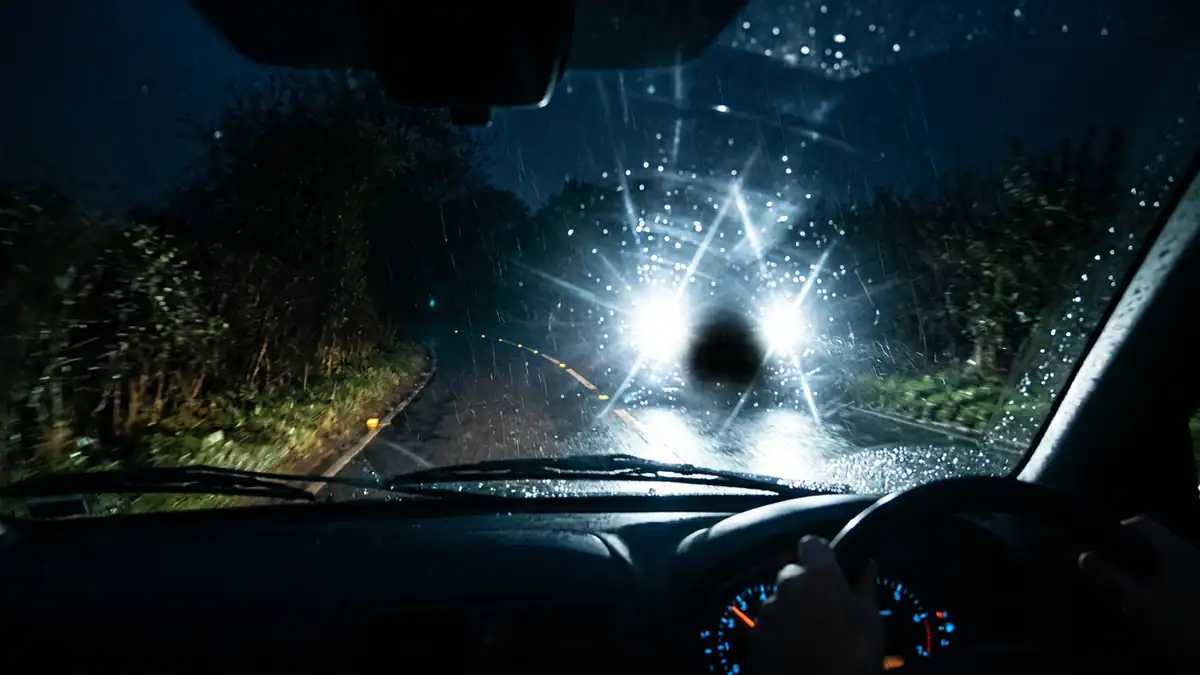
New headlight glare rules could be imposed on cars from September 2027 at the earliest, ministers have told Parliament, after United Nations vehicle experts tightened the standards on automatic headlamp levelling. But for millions of drivers who say they are dazzled every evening, nothing else is yet decided: the government admits no specific measures on brightness or vehicle height have been chosen.
The date came in a written parliamentary answer published on 18 November 2026. Olly Glover, the Liberal Democrat MP for Didcot and Wantage, had asked the Department for Transport what it planned to do to tackle headlight glare and update lighting standards so that road users are not dazzled. The reply from transport minister Justin Madders is the clearest timetable yet on one of motorists’ most common complaints.
“Following lobbying from the UK Government, the United Nations expert group on vehicle lighting has amended the rules governing automatic headlamp levelling,” Mr Madders said in the answer. “The earliest these rules could be mandated is September 2027 which should help to address some of the concerns raised by road users about glare and dazzle from headlamps.”
What are the new headlight glare rules for 2027?
The change concerns automatic levelling: the system that tilts a car’s headlamps up or down as its load changes. A full car, packed boot or trailer makes the rear sink and the beam lift into oncoming drivers’ eyes; automatic systems correct for that without the driver touching a dial.
The amended international rules tighten how those systems must work. The key word in the minister’s answer, though, is “earliest”. September 2027 is the first point at which the standard could become mandatory, and the answer does not cite a UK statutory instrument or consultation that would bring it into domestic law. It is also a rule for new cars: nothing in the answer would require owners of vehicles already on the road to change their lights.
The second half of the answer is more revealing. “As set out in the Road Safety Strategy, the government has commissioned targeted research to inform the ongoing international taskforce on headlamp glare prevention,” Mr Madders said. “No decision has been taken at this stage on specific measures to take forward.” In other words, the bigger questions drivers keep raising, about how bright modern LED lamps should be and how high they sit on taller vehicles, remain open.
Why are headlights so bright now?
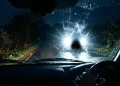
The scale of public frustration is not in doubt. A survey of 1,208 UK drivers carried out for the RAC in October 2026, and backed by the College of Optometrists, found 83% were worried about the effect of glare on their driving as the evenings darken, and three-quarters of those affected believed the problem was getting worse.
Half of dazzled drivers said bright headlights made hazards harder to spot, and one in seven said they had narrowly avoided a collision. One in five planned to drive less once the clocks went back, and 3% intended to stop driving at night altogether. Drivers overwhelmingly blamed white headlights, most commonly LEDs, and 52% pointed to larger vehicles that sit higher on the road, compared with 20% who blamed hatchbacks, saloons and estates.
Rod Dennis, senior policy officer at the RAC, said drivers “will only be satisfied when they know meaningful changes are coming that will tackle the problems they experience”, adding that lighting regulations do not “sufficiently consider the effects of very bright lights on other road users”.
What it means for you: how to cut headlight glare now
Until any new standard takes effect, the practical steps sit with drivers themselves. The Department for Transport published guidance titled Minimising headlight glare and its effects on 23 October 2026, and it reminds motorists that the Highway Code already bans using lights in a way that dazzles or causes discomfort to other road users.
To avoid dazzling others, the guidance says drivers should check the headlight levelling before a trip with several passengers, heavy luggage or a trailer, and adjust it by hand if the car has no automatic system. Never pass other road users on full beam, and know how to override automatic main-beam systems. Headlights drift out of alignment over time, so consider having the aim checked before a newer car’s first MOT. Do not fit non-approved bulbs, which can change the beam pattern, break the rules and invalidate insurance, and do not drive at night on daytime running lamps alone.
If you are the one being dazzled, the advice is to avoid looking directly at oncoming lights, glance towards the kerb or left edge of the road to hold your position, and slow down. Keep the windscreen clean inside and out, use the rear-view mirror’s dimming setting, and raise your seat slightly if you can, which the department says reduces the effect of higher-mounted lamps. Anyone noticing new or worsening glare problems should see an optometrist, the College of Optometrists advises.
What happens next on headlight glare?
Watch for three things: whether ministers formally bring the amended UN levelling rules into UK law; the commissioned research into which vehicle designs cause most glare; and any move on LED brightness and lamp height, on which no decision has been taken.
For now, drivers have a provisional date and a fix for only part of the problem: a levelling rule tackles beams thrown upwards by heavy loads, not the raw brightness most drivers complain about. For more on the rules affecting UK drivers, see our coverage of the smart motorway speed camera fault, the latest on petrol and diesel prices, and the rest of our Motoring section.