
























The Conservatives would scrap the UK-EU deal agreed in Brussels on 20 November 2026 if they win the next general election, deputy leader Alex Burghart said on 22 November. Reform UK also attacked the package, while ex-prime minister Theresa May told Andy Burnham to “move on” from Brexit.
Key points
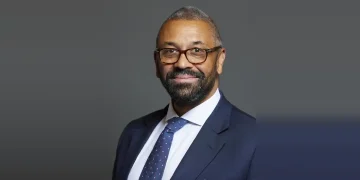
- Alex Burghart, the Conservative deputy leader, told the BBC on 22 November 2026 that his party “would scrap” the UK-EU agreement if elected.
- The deal covers a youth experience scheme of up to 100,000 places each way, linked emissions trading and fewer checks on food exports from 2028.
- Baroness May, prime minister from 2016 to 2019, said she was “aghast” at talk of rejoining the EU and that Brexit “is done”.
- Legislation to implement the agreement is expected in Parliament next week, according to the BBC.
Will the Conservatives scrap the UK-EU deal?
Yes, on the party’s current stated position. Asked on the BBC’s Sunday with Laura Kuenssberg whether the Tories were committed to ripping up the agreement, Burghart said: “I don’t think that there will be positive outcomes, and yes, we would scrap it.” On Sky News he used the word “repeal”, according to the Guardian’s politics live blog.
He called the package “a dog’s dinner” and argued it would mean the UK “gives up our ability to set our own rules”. He accepted it would reduce some trade “friction”, but said it would put a “massive additional burden” on the 90% of farmers who do not sell to the EU, the BBC reported.
What did Burnham agree with the EU?
Prime Minister Andy Burnham signed three main agreements with European Commission President Ursula von der Leyen and European Council President António Costa. Together they cover young people’s mobility, carbon pricing and food trade, with university fees left unresolved.
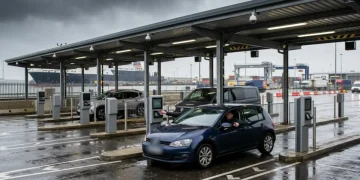
A new youth experience scheme would let up to 100,000 people aged 18 to 31 work, study or travel in the EU for up to three years, with the same number coming the other way. The two sides want places available by January 2030 at the latest. Most checks on British food exports would go in return for the UK following some EU rules from 2028. We looked at the youth scheme and the tuition fees row earlier this week, and the summit’s own joint statement is public.
Why are Reform and the Tories against it?
Both argue the deal ties British businesses to rules made in Brussels. Reform UK deputy leader Richard Tice said “a few exporting food businesses may benefit”, but that businesses which do not export will still face “dynamic alignment” with EU regulations, which he said outweighs the benefit. He also said: “Divergence is now our strength.”
Critics have also targeted the youth scheme, arguing it brings in young Europeans while roughly one million 16 to 24-year-olds in the UK are not in education, employment or training. Foreign Secretary Ed Miliband replied that the offer “goes both ways”, and that ministers can address the issue of young people not in work while also giving them freedom to work abroad.
Will it lower food prices?
Not necessarily, and ministers have not promised a number. The British Retail Consortium has said it does not expect shelf prices to fall because upward pressures remain. Miliband said the deal “reduces pressure on trading costs” and would cut the paperwork retailers face, citing a 20% fall in food exports since Brexit.
Supermarkets including Morrisons, the Co-op and Marks & Spencer have welcomed the agreement, but none has committed to price cuts as a direct result. Our earlier look at what the food deal could mean for your shop covers the detail.
What does Theresa May say?
May told the BBC she was “aghast” at Burnham’s talk of further negotiations towards rejoining. She said people “voted for Brexit” and urged him to “just accept Brexit and move on”, warning that talks absorb time across the whole of government. Burnham has said all options are on the table, and Miliband told the BBC that rejoining would be looked at as part of that conversation.
The BBC’s Laura Kuenssberg noted that Burnham’s language has varied over time, and that he has said rejoining would not happen before another general election.
What happens next?
Ministers are expected to bring forward legislation next week, with the food export changes in force from 2028. Tuition fees remain unsettled, with six months set aside for talks, although Miliband says the wider deal does not depend on them.
For voters, the question is now an election one. A Conservative pledge to repeal gives the deal a political expiry date, which the Guardian’s blog noted is exactly the instability Europeans worry about. More on the politics in our Politics section.