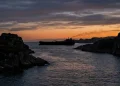























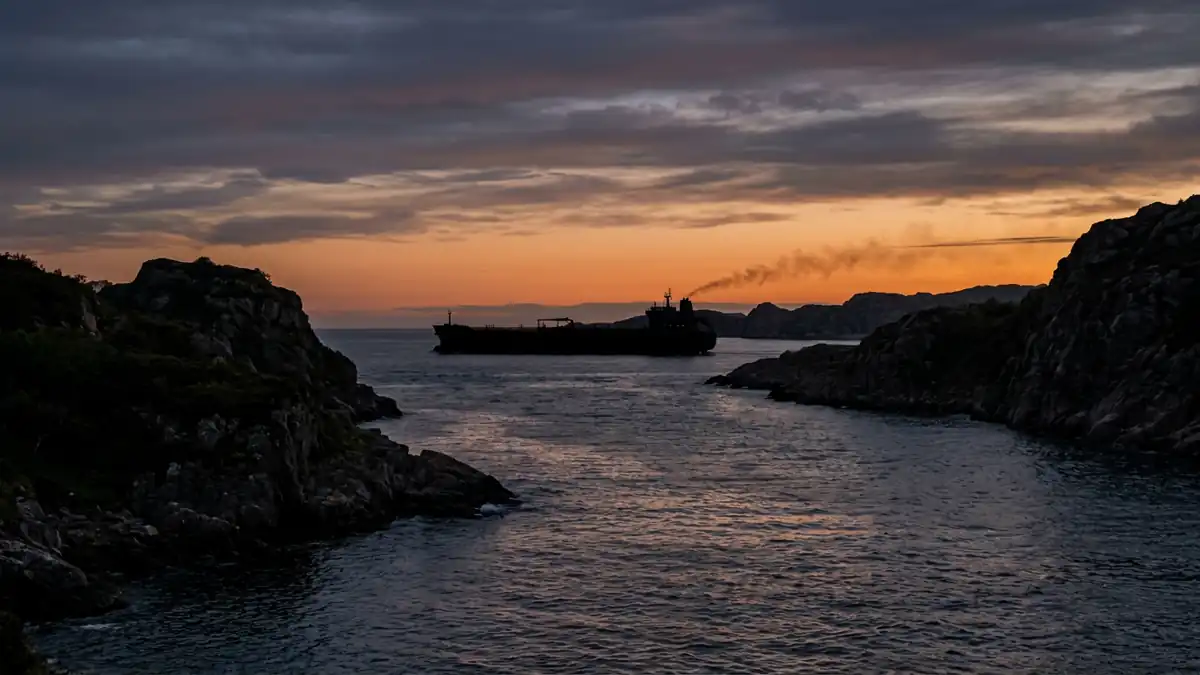
Hormuz tanker attacks escalated again on Saturday 21 November 2026, when the UK Maritime Trade Operations centre reported two tankers hit by unidentified projectiles off Oman’s Khasab, a day after another vessel was set on fire. No casualties were reported, but the strikes keep the Gulf’s most important oil route under pressure just as British pump prices start to ease.
The first tanker, sailing outbound through the Strait of Hormuz, was struck on its stern about 11 nautical miles north of Khasab, according to CNBC’s report of the UKMTO warning. The agency, a British body that monitors threats to commercial shipping, later said a second tanker was hit in its engine room 17 nautical miles east of the port. It was not immediately clear whether the two reports involved the same vessel, and the environmental impact is unknown.
Iran’s navy gave a different account. It said an oil tanker had caught fire after hitting a naval mine in a restricted area east of the strait, and accused the ship of ignoring warnings while travelling with its identification and navigation equipment switched off. That claim could not be independently verified, and it is unclear whether the burning vessel is one of those UKMTO described.
What happened in the Strait of Hormuz this weekend?
The latest incidents follow an attack on Friday on a tanker near Khasab that caused a fire on board, according to the same British agency. Before the war, the strait carried nearly a fifth of the world’s crude oil supplies. Iran has since restricted which vessels may pass and says it will attack or mine those that do not follow routes it sets.
Al Jazeera’s correspondent in Tehran, Resul Serdar, said about 25 incidents had been reported in Iranian military statements since the previous Saturday, roughly three a day. “This is becoming a pattern,” he said. The United States has answered with a blockade of Iranian ports and naval escorts for tankers.
Why are Hormuz attacks at their highest level of the war?
Maritime data compiled for ABC News shows reported attacks in and around the strait were higher in October and November than in any earlier month since the conflict began in late February. UKMTO logged 31 attacks in October and about 19 in November up to 18 November. Between March and September it recorded 53 in total.
Analysts quoted by ABC say the aim is to make the US-facilitated route along the Omani coast riskier and costlier. Sina Toossi of the Center for International Policy described a “cycle of adaptation and counter-adaptation”, in which smaller tankers cross with tracking switched off and hand cargo to larger ships on the far side. Hamidreza Azizi of the International Crisis Group said Tehran seems determined to make those arrangements “more costly and less reliable”.
What do the tanker attacks mean for UK petrol and diesel prices?
For drivers, the picture is mixed. The AA says average UK petrol prices have fallen 9.5p a litre from a 174.7p peak in early October to 165.2p, and it expects the drop to reach about 10p soon. Diesel, which touched £2 a litre in the same week, started this week at 195.4p, as reported by the Birmingham Mail.
That relief rests on shipping staying open. The same report notes diesel is still about 40 per cent higher than a year ago and petrol about 31 per cent higher, with oil prices having surged since Iran began blockading the strait. Fresh strikes on tankers raise the risk that the recent fall stalls. We covered the first wave of that squeeze in our report on petrol prices falling from their peak.
The UK is also part of the story in a direct way: the warnings come from UKMTO, a British agency that monitors threats to commercial shipping. Earlier this month we looked at how the Gulf tensions could feed into winter energy costs.
What happens next for shipping and UK households?
Diplomacy has not yet produced a way out. Iran’s foreign minister, Abbas Araqchi, has said Tehran still hopes talks can end the war, while President Trump said Iran wants a deal but not one he would accept, according to Reuters via the Japan Times.
Three things are worth watching over the coming days:
- Whether UKMTO confirms the two Saturday incidents involved separate ships, and what the damage was.
- Whether weekly shipping counts through the strait recover or fall further after this week’s attacks.
- Whether the AA’s forecast of a further pump price fall holds, or retailers pause cuts.
For households, the practical advice is unchanged: pump prices can move faster than headlines suggest, so comparing local forecourts is worth the effort while the market is this jumpy. Follow our wider world coverage for updates as the story develops.